
Unveiling the Art of Cereal Milling: From Grain to Grains
In a world increasingly influenced by fast-paced technology and mass production, the story of cereal milling remains a timeless narrative interwoven with tradition and ingenuity. Behind the simple pleasure of a bowl of cereal lies a complex journey that transforms humble grains into the staple foods we cherish. This article delves into the fascinating process of cereal milling, exploring the myriad methods and innovations that have evolved over centuries. As we peel back the layers of this age-old craft, we invite you to discover the artistry, precision, and science that turn raw grains into the diverse array of cereals gracing our tables. Join us on a journey from field to flour, and uncover the secrets that lie within the grains we often take for granted.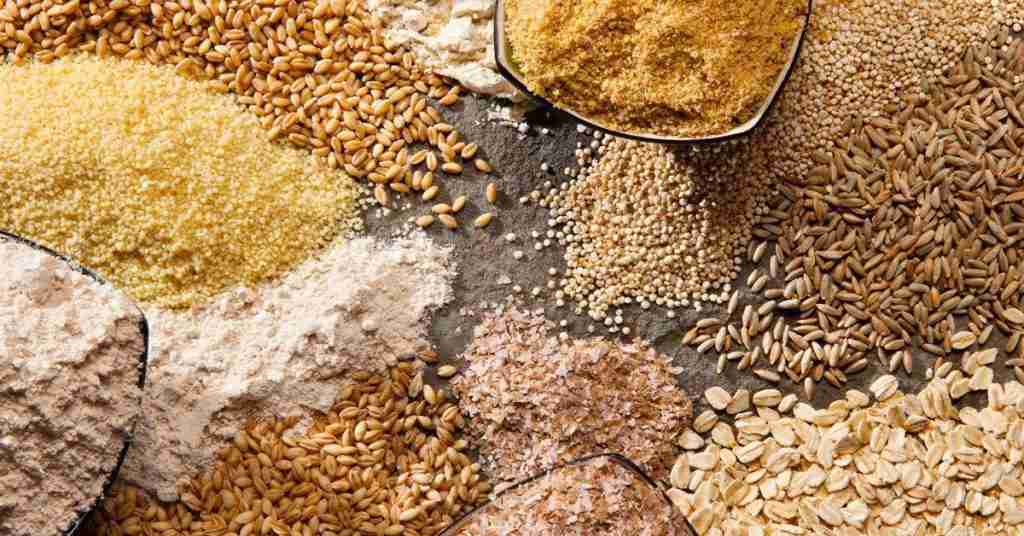
Exploring the Grain Journey: Understanding the Basics of Cereal Milling
Understanding the journey of grain involves delving into the various processes that transform raw seeds into the versatile ingredients we commonly use. At the heart of this transformation is cereal milling, a meticulous method that culminates in producing flour and other grain products. This journey begins with cleaning and preparing the grains, ensuring that only the highest quality, uncontaminated seeds are selected for milling. The subsequent steps involve tempering, which involves adding moisture to the grain, making it easier to break during milling, followed by grinding, where the grain is crushed and pulverized into flour. Each step plays a crucial role in maintaining the grain’s potential for flavor, texture, and nutritional value.
Cereal milling can be categorized into two primary types: dry milling and wet milling. In dry milling, grains are ground and processed without additional moisture, often used for products like flour and cornmeal. On the other hand, wet milling combines water with grains, allowing for the extraction of specific components such as starches and proteins, making it essential for industries producing high-value products. Below is a concise overview of these milling processes:
| Milling Type | Description | Common Products |
|---|---|---|
| Dry Milling | Grains are ground without moisture, producing flour. | Flour, Cornmeal, Oats |
| Wet Milling | Grains undergo moisture treatment for component extraction. | Starches, Sweeteners, Protein Supplements |
The Milling Process Demystified: Techniques and Technologies Behind the Transformation
The milling process is a fascinating blend of tradition and technology, where raw grains undergo transformation into finely milled products for consumption. At the heart of it lies the granulation process, which breaks down whole grains through a series of techniques that include grinding, crushing, and sieving. This meticulous approach features ancient methods alongside cutting-edge innovations, such as stone milling and roller milling. Each technique influences the characteristics of the final product, dictating texture, flavor, and nutritional value. It’s essential to appreciate that the choice of milling method can significantly alter the protein content and fiber quality of the flour, contributing to a myriad of culinary applications and dietary needs.
Modern milling technologies also embrace automation and digital monitoring systems that enhance efficiency and precision throughout the process. The introduction of computer-controlled milling equipment allows for real-time adjustments, ensuring consistent results while minimizing waste and maximizing yield. Below is a table showcasing various milling methods and their primary characteristics:
| Milling Method | Characteristics |
|---|---|
| Stone Milling | Retains nutrients, produces a rustic texture |
| Roller Milling | High efficiency, produces fine flour |
| Hammer Milling | Creates a coarse product, suitable for animal feed |
| Attrition Milling | Excellent for size reduction of fibrous materials |
Through the marriage of old-world techniques and modern advancements, milling not only pays homage to its rich history but also embraces the future of food production, catering to evolving tastes and nutritional demands. As we continue to explore the depths of cereal milling, understanding these processes will help us appreciate the intricate journey grains undertake from the field to our tables.

Quality Control in Cereal Milling: Ensuring Consistency from Field to Flour
In the intricate process of cereal milling, quality control serves as the backbone of consistency and excellence. Every step of the journey, from harvesting the grain to the milling process, requires meticulous attention to detail. This begins with selecting the right grain varieties, which can significantly influence the flour’s quality. Other key components involve:
- Grain Testing: Conducting regular assessments for moisture content, impurities, and overall grain health.
- Storage Conditions: Monitoring temperature and humidity levels to preserve grain quality during storage.
- Grinding Techniques: Utilizing various milling methods to achieve the desired texture while minimizing contamination risks.
Furthermore, the process extends after milling, ensuring the final product maintains its quality through strict testing and evaluations. Each batch of flour undergoes rigorous quality checks for specifications like protein content, granulation, and color. These checks are detailed in quality assurance tables that guide production practices. Consider the following simplified example:
| Quality Parameter | Ideal Value | Acceptable Range |
|---|---|---|
| Moisture Content | 12% | 11.5% – 13% |
| Protein Content | 10% | 9% – 11% |
| Granulation Size | Fine | Medium to Fine |
By maintaining these standards and actively addressing any discrepancies, cereal milling operations can ensure the flour produced meets both industry regulations and consumers’ expectations, translating the rich potential of grain into a reliable and high-quality product at the bakery and kitchen levels.

Sustainable Practices in Cereal Milling: Innovations for a Greener Future
In recent years, the cereal milling industry has witnessed a significant transformation towards sustainability, driven by the urgent need to minimize environmental impact while enhancing efficiency. Innovations such as water conservation techniques, energy-efficient machinery, and biodegradable packaging have gained momentum. These practices not only reduce the carbon footprint of the milling process but also ensure that valuable resources are utilized optimally. For instance, implementing closed-loop water systems allows mills to recycle water used in production, thereby conserving this vital resource. Additionally, the transition to renewable energy sources, like solar or wind power, in milling operations further reinforces the commitment to a greener future.
Furthermore, advancements in technology play a crucial role in creating a sustainable framework within the cereal milling sector. Automation and AI streamline operations, leading to reduced waste generation and enhanced precision in processing. Moreover, the use of by-products from milling, such as bran and flour dust, can now be repurposed as animal feed or incorporated into health products, contributing to a circular economy. The following table summarizes some of the key sustainable practices currently being adopted by cereal mills:
| Sustainable Practice | Impact |
|---|---|
| Water Conservation | Reduces water usage by up to 50% |
| Renewable Energy Usage | Decreases greenhouse gas emissions significantly |
| By-product Utilization | Enhances resource efficiency and reduces waste |
| Biodegradable Packaging | Minimizes plastic waste in the environment |
Concluding Remarks
As we conclude our exploration of the intricate process behind cereal milling, it becomes clear that this seemingly simple transformation—from grain to grains—holds a wealth of artistry and science. Each kernel tells a story, moving through a meticulous journey shaped by tradition, innovation, and precision. The next time you pour a bowl of your favorite cereal, take a moment to appreciate the craftsmanship that went into its creation. Behind every crunchy flake lies a world of knowledge and the commitment of countless individuals dedicated to bringing nourishment to our tables. In this age of rapid change, the age-old techniques of milling remain relevant, adapting to meet modern demands while honoring the legacies of the past. Cereal milling may seem like just another step in our breakfast routine, but it is, in fact, an essential part of our culinary heritage—an unfurling tapestry of grain that nourishes not just our bodies, but also our connection to the land and its bountiful offerings. As we savor each bite, let us remember the artistry that makes it possible.




