
Unraveling the Art and Science of Maize Milling
In the heart of bustling markets and quiet kitchens alike, maize stands as a staple ingredient, celebrated for its versatility and rich cultural significance. From hearty tortillas in Mexico to fluffy cornbread in the American South, maize is woven into the fabric of countless culinary traditions. Yet, behind the simple grain lies a complex process that transforms whole kernels into finely milled products, ready to nourish and inspire. Maize milling is not merely a mechanical operation; it is a delicate interplay of art and science, where traditional techniques meet modern technology. This article delves into the intricacies of maize milling, exploring its historical roots, the evolving methods that define it today, and the sensory experiences that result from this age-old practice. Join us as we uncover the layers of craftsmanship, innovation, and cultural heritage that make maize milling a fascinating subject deserving of deeper understanding.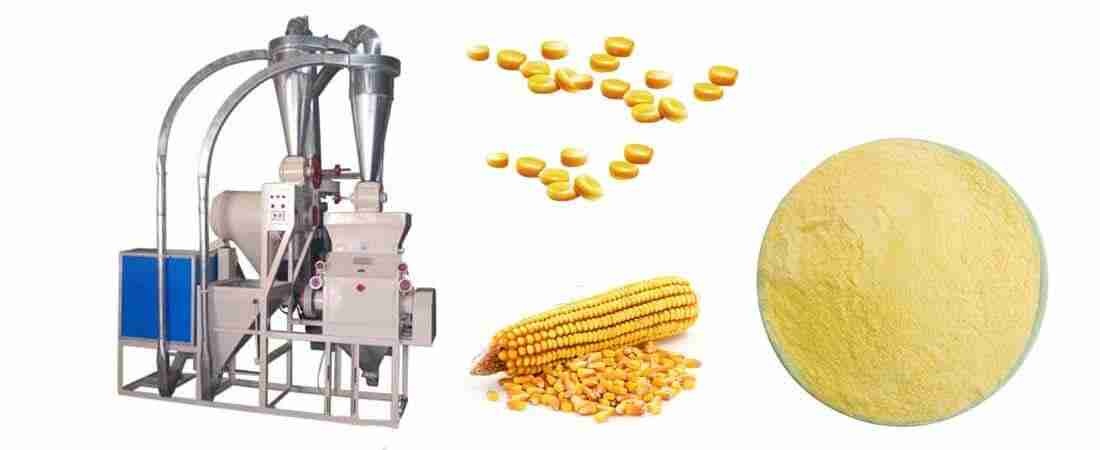
Understanding the Fundamentals of Maize Milling Techniques
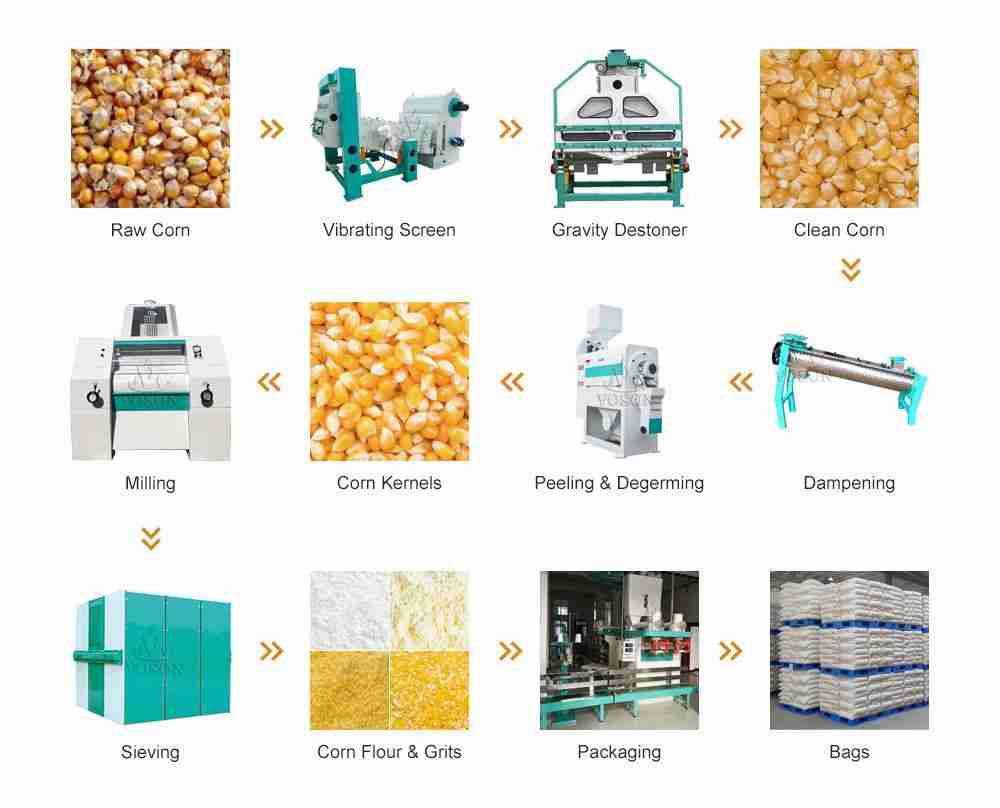
Maize milling is a process steeped in tradition and modern innovation, bringing together an array of techniques that transform raw maize into ubiquitous staples like flour and grits. The milling process typically involves several key steps: cleaning, drying, grinding, and sifting. Different milling systems can be employed, including traditional stone mills, modern roller mills, and even hammer mills, each bringing its own unique advantages and characteristics. The choice of milling technique can greatly influence the texture, flavor, and nutritional value of the final product. For instance, stone milling is often revered for preserving the natural oils and flavors of the maize, while roller milling produces a finer flour that is desirable for certain culinary applications.
Before delving into the specifics of different milling methods, it’s essential to consider the quality of the maize itself. Factors such as kernel hardness, moisture content, and purity play critical roles in determining the efficiency of the milling process and the quality of the output. In order to address these parameters, milling operations often implement rigorous quality control measures, including moisture testing and grading of the maize. Below is a simple table illustrating how various maize characteristics can impact milling outcomes:
| Maize Characteristic | Impact on Milling |
|---|---|
| Kernel Hardness | Affects the choice of milling equipment and final texture of flour. |
| Moisture Content | High moisture can lead to mold; ideal moisture enhances grinding efficiency. |
| Purity | Impurities can reduce yield and necessitate additional cleaning steps. |

Exploring the Nutritional Impact of Different Milling Methods
When it comes to maize milling, the method employed can significantly alter the nutritional profile of the final product. The most common milling techniques include dry milling, wet milling, and stone milling, each yielding different outcomes in terms of nutrient retention. For instance, dry milling often focuses on the endosperm, producing finely milled flour with a higher starch content but lower levels of fiber and essential nutrients compared to whole grain products. On the other hand, wet milling allows for a more comprehensive extraction of nutrients, resulting in diverse by-products that can retain a greater portion of the germ and bran, thereby enhancing the overall nutritional quality.
Recent studies reveal that different milling methods can lead to notable variations in key micronutrient levels and overall digestibility. An illustrative comparison can be made using a simple table showcasing the differences in fiber, protein, and vitamin content across various milling techniques:
| Milling Method | Fiber Content | Protein Content | Vitamin B6 Levels |
|---|---|---|---|
| Dry Milling | Low | Moderate | Low |
| Wet Milling | High | High | Moderate |
| Stone Milling | High | Moderate | High |
Ultimately, the choice of milling method can influence not just the texture and flavor of maize products, but also their health benefits. By understanding these differences, consumers can make more informed choices that align with their nutritional needs and preferences. Additionally, as the demand for whole grain options continues to grow, milling practices that preserve the integrity of the grain will play an essential role in shaping a more nutritious food landscape.

Innovative Technologies Shaping the Future of Maize Processing
As the demand for maize flour continues to rise globally, innovative technologies are redefining the landscape of maize processing. One of the most pivotal advancements has been the introduction of smart milling equipment. These high-tech machines leverage artificial intelligence and machine learning algorithms to optimize milling processes, ensuring maximum yield with minimal waste. The integration of IoT (Internet of Things) in milling facilities enables real-time monitoring and adjustments based on environmental variables, leading to enhanced product consistency and quality. Furthermore, the use of sustainable energy solutions, such as solar-powered mills, is not only reducing the carbon footprint of maize processing but also making it economically viable for farmers in remote regions.
Another groundbreaking development in maize processing technology is the utilization of bioprocessing techniques. Through methods such as fermentation and enzymatic treatment, producers can create value-added products from maize, expanding the utility of this versatile grain. This innovative approach not only diversifies product offerings but also enhances the nutritional profile of maize-derived foods. The growing trend of modular processing units further exemplifies innovation, allowing small-scale entrepreneurs to enter the market with less investment and flexibility in their operations. By embracing these cutting-edge technologies, the maize processing industry stands on the brink of a transformative era, paving the way for sustainable growth and efficiency.
Best Practices for Quality Control in Maize Milling Operations
Quality control in maize milling is critical to ensure that the end product meets the highest standards of safety, nutrition, and taste. To maintain consistency and quality, it is essential to implement a structured approach that encompasses various aspects of the milling process. Key practices include:
- Regular Equipment Calibration: Ensuring that milling machinery is precisely calibrated prevents inconsistencies in particle size and texture.
- Raw Material Assessment: Testing incoming maize for factors such as moisture content and purity helps in selecting the best quality grains.
- Continuous Monitoring: Utilizing sensors and automated systems to monitor the milling process allows for real-time adjustments to maintain optimal conditions.
Establishing a comprehensive quality control protocol can greatly enhance product reliability. Integrating sensory evaluation alongside laboratory testing can provide deeper insights into the quality of the final product. A sample quality control checklist might include:
| QC Aspect | Frequency | Responsible Party |
|---|---|---|
| Moisture Content Check | Daily | Quality Control Team |
| Particle Size Analysis | Weekly | Mill Operators |
| Flavor and Aroma Testing | Monthly | Sensory Panel |
These practices not only enhance the quality of maize flour but also contribute to reducing waste and improving overall operational efficiency. By focusing on continuous improvement and utilizing advanced technologies, milling operations can elevate their standards and meet consumer expectations efficiently.
Key Takeaways
As we draw the curtain on our exploration of maize milling, we find ourselves standing at the crossroads of tradition and innovation. The process of transforming humble maize into a myriad of products is not merely a mechanical endeavor; it is an intricate dance of art and science that spans cultures and generations. From the age-old methods of stone grinding to the cutting-edge technologies of modern milling, each step tells a story of human ingenuity and resilience.
Understanding maize milling invites us to appreciate the broader implications of food production, sustainability, and economic empowerment within communities. As this ancient practice continues to evolve, we are reminded that every grain milled has the potential to nourish bodies and foster connections across the globe.
In a world where we often rush from one task to another, taking a moment to understand the nuances of maize milling can deepen our appreciation for the food on our plates. So let us celebrate the journey of maize, from field to mill to table, embracing the delicate balance between age-old craftsmanship and the ceaseless quest for efficiency. As we part ways, let us carry with us not only a greater understanding of maize milling but also a renewed respect for the intricate systems that feed us all.




