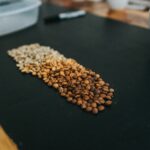
In the bustling world of breakfast foods, cereal has etched itself into the daily rituals of millions, offering a quick, convenient, and frequently enough nostalgic start to the day. Yet, behind the vibrant packaging and catchy slogans lies a engaging process that melds both art and science: cereal milling. This intricate journey transforms raw grains into the diverse array of cereals that fill our bowls, blending tradition wiht cutting-edge technology. In this article, we will unpack the multifaceted process of cereal milling, exploring the key steps involved, the innovative techniques employed, and the subtle nuances that contribute to the final product. Join us as we delve into the grain-to-bowl journey, revealing how skillful craftsmanship and scientific precision converge to create the beloved cereals we certainly know today.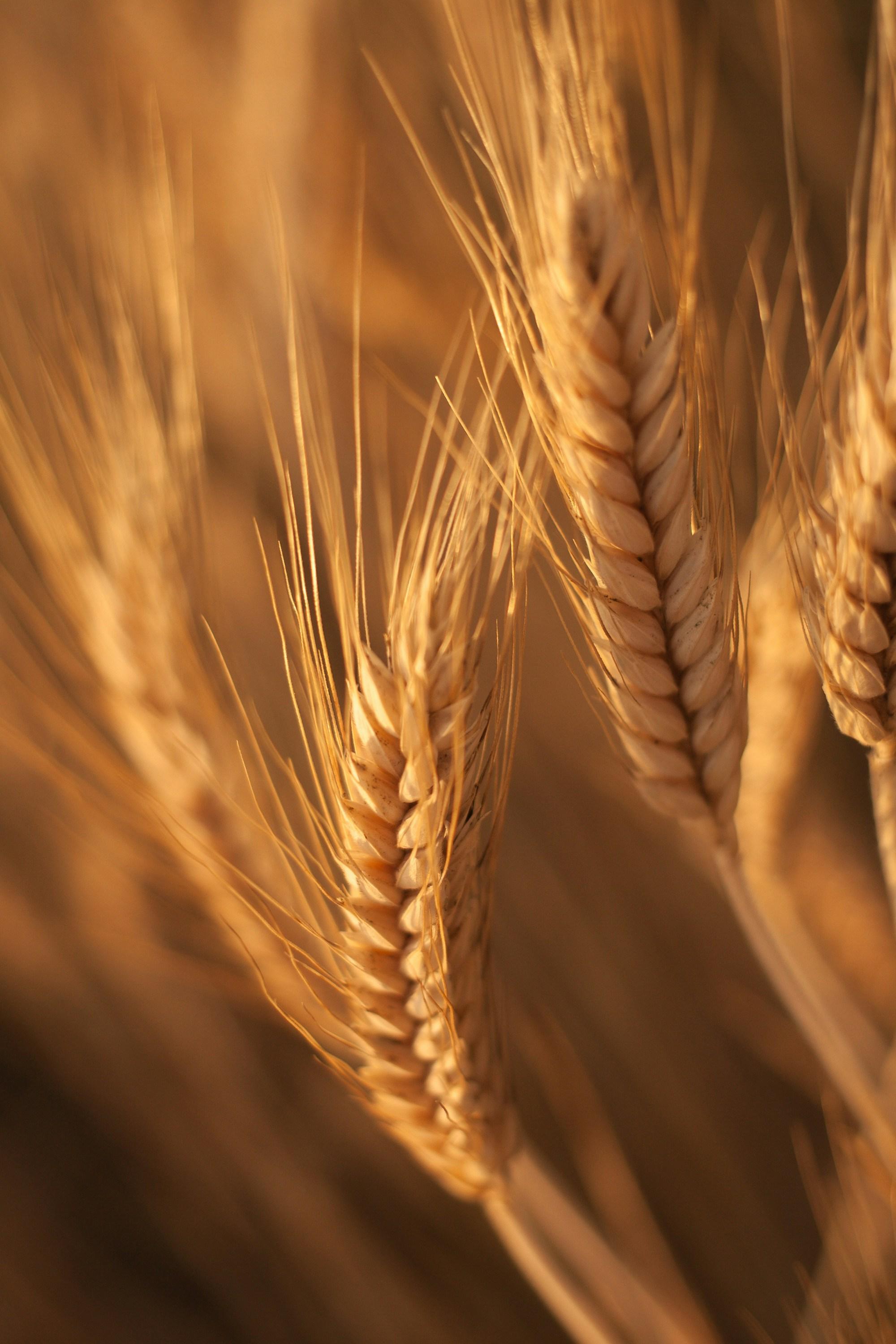
Understanding the Grain: Selecting Quality Raw Materials for Optimal Milling
When embarking on the journey of cereal milling, the first step is to understand the grain itself. The quality of the raw materials is fundamentally linked to the milling process and the final product.Selecting high-quality grains not only ensures better conversion but also enhances the taste and nutritional value of the end product. Key aspects to consider when evaluating grains include:
- Grain Variety: Different cereals, such as wheat, barley, and maize, offer unique properties that can affect the milling outcome.
- Moisture Content: ideal moisture levels (usually between 12-14%) are vital for achieving the right milling results and preventing spoilage.
- Pest Control: Ensuring the grains are free from pests and diseases is crucial as infestations can compromise quality.
In addition to these essentials, understanding the origins and harvesting methods of the grains can provide insights that influence the milling process. For instance, grains harvested during optimal conditions typically yield higher quality flour. moreover, a closer look at the protein content and gluten strength can further guide millers in selecting specific varieties for desired end products. Below is a simplified portrayal of different grain types and their respective milling characteristics:
| Grain Type | Protein Content (%) | Gluten Strength |
|---|---|---|
| Hard Wheat | 12-15 | High |
| Soft Wheat | 8-11 | Low |
| Barley | 10-14 | Medium |
| Maize | 9-12 | No Gluten |
The milling Process Demystified: Techniques and Technologies in Action
The milling process is a fascinating blend of art and science, transforming raw grains into finely ground flour or meal ready for culinary use. At its core,this process involves several key techniques that ensure the optimal extraction of flour’s essential components. Initial steps typically include cleaning to remove impurities, followed by conditioning the grains to adjust moisture content. This is crucial as it affects the texture and performance of the final flour.Once conditioned, the grains are subjected to grinding, commonly using rolls or stones, which serves not just to break the grain, but to carefully separate the bran, endosperm, and germ. Each stage is meticulously controlled, allowing millers to tailor the flour blend for various applications, from bread-making to pastry production.
Modern milling technology has considerably enhanced the quality and efficiency of the process.Advanced equipment like horizontal and vertical mills, along with sifters, enable precise size reduction and particle separation, ensuring a consistent final product. The integration of automation and software systems in milling operations further streamlines workflow, monitoring grain properties in real time and adjusting processes accordingly. Additionally, through the utilization of environmentally friendly practices, such as the recycling of by-products for animal feed or bioenergy, modern mills not only focus on quality but also on sustainability. Here’s a comparison of conventional vs. modern milling technologies:
| Feature | traditional Milling | Modern Milling |
|---|---|---|
| Equipment Type | Stone mills | Roller mills |
| Efficiency | Lower yield | Higher yield |
| Process control | Manual | Automated |
| environmental Impact | Higher waste | Resource recycling |

Quality Control in Cereal Milling: Ensuring Consistency and Safety
Cereal milling is a complex synthesis of art and science, where the goal is to produce high-quality flour and cereal products while ensuring adherence to stringent safety protocols. Throughout the milling process, various checkpoints are established to monitor critical parameters that affect quality, including moisture content, particle size, and color consistency. To this end,mills often employ advanced technologies such as near-infrared spectroscopy and HPLC (high-performance liquid chromatography) to analyze grain properties and maintain uniformity in the final products.
Moreover, a rigorous quality control program is essential for safeguarding against contamination and spoiling. This program typically incorporates the following components:
- Raw Material inspection: Thorough analysis of incoming grains for purity and quality.
- Process Monitoring: Continuous oversight of milling parameters to ensure optimal performance.
- final Product Testing: Laboratory assessments of flour to verify compliance with safety and quality standards.
| Quality Parameter | Acceptable Range | Analysis Frequency |
|---|---|---|
| Moisture content | 12-14% | Every Batch |
| Protein Content | 9-14% | Daily |
| Fineness | 75-150 µm | Per Shift |
From Flour to flavor: How Milling Impacts Nutritional Value and Taste
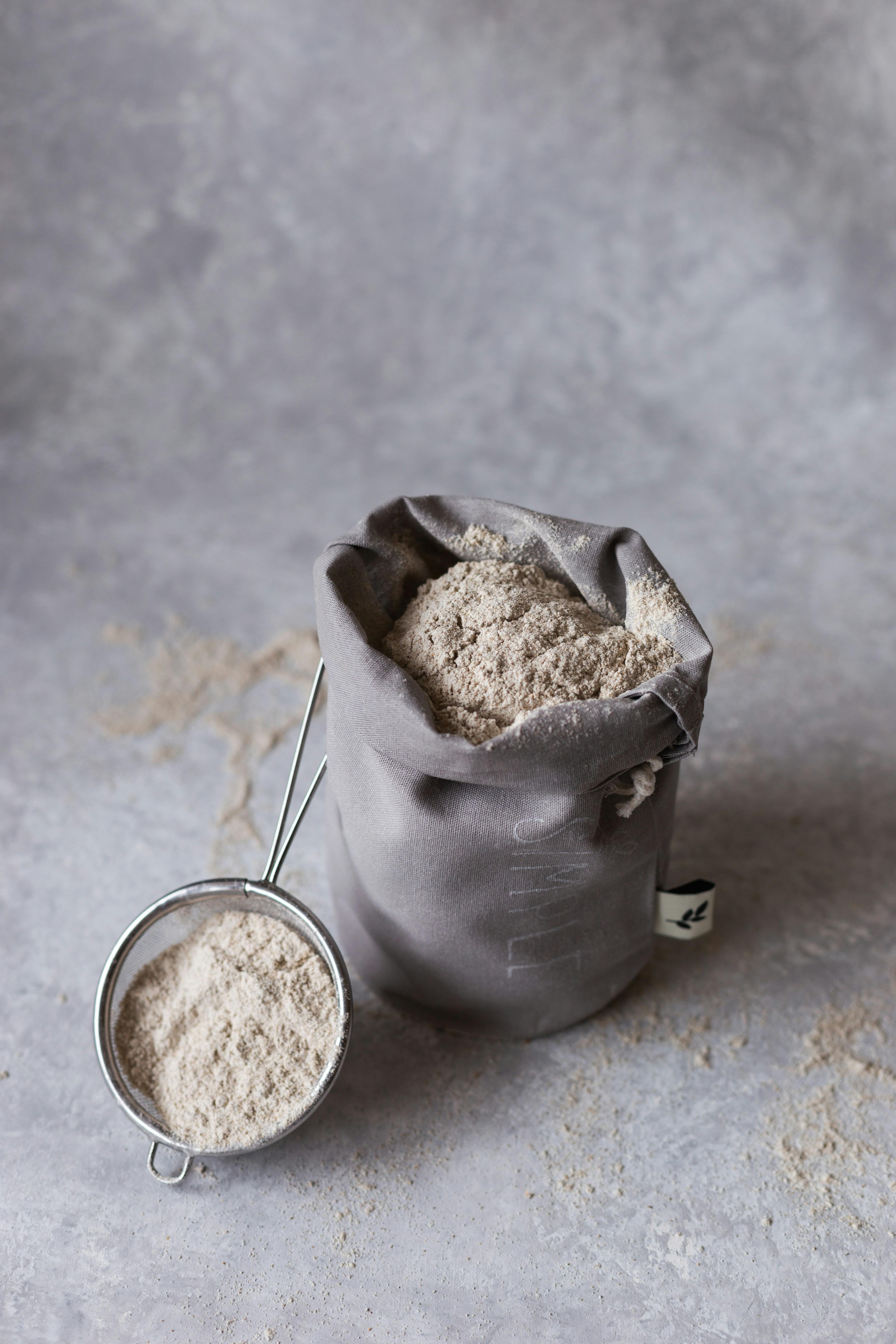
The journey from raw grain to a finished product is one of remarkable transformation, affecting both the nutritional profile and the sensory qualities of the final flour. Milling is not merely a mechanical process; it is indeed a delicate balance of art and science. Different milling techniques can yield a variety of flour types, each possessing unique characteristics. As a notable example, stone milling retains more bran and germ compared to roller milling, resulting in flours that are richer in fiber, vitamins, and essential fatty acids. This meticulous process influences not only the nutritional value but also plays a crucial role in the taste and texture of baked goods.A flour that includes more whole grain will typically have a nuttier flavor, while more refined options can lend a lighter, fluffier texture to pastries.
To illustrate the impact of milling on nutritional value, consider the following comparative table that showcases the differences among flour types:
| Flour Type | Nutritional Value (per 100g) | Taste Profile |
|---|---|---|
| Whole Wheat Flour | 340 calories, 13g protein, 10g fiber | Nutty, earthy |
| All-Purpose flour | 364 calories, 10g protein, 3g fiber | Mild, neutral |
| Rye Flour | 330 calories, 9g protein, 7g fiber | Robust, slightly sour |
Many bakers and chefs now advocate for understanding the nuances of flour selection, as these subtleties can greatly influence outcomes in both health and culinary experience. When selecting flour, consideration should be given not only to the intended recipe but also to the desired health benefits and depth of flavor. By embracing the milling process, one can unlock the true potential of grains, leading to delicious and nutritionally robust meals.
Closing Remarks
as we draw the curtain on our exploration of cereal milling, it’s clear that this intricate process is more than just a series of mechanical steps; it is indeed a fascinating interplay of art and science. Each grain tells a story, from the moment it is indeed harvested to its transformation into the flour that enriches our meals and our lives. By understanding the meticulous attention to detail and the innovative techniques employed in cereal milling, we gain a deeper recognition for the vital role it plays in our food systems.As you approach your next bowl of cereal or slice of bread,take a moment to reflect on the journey that brought those ingredients to your table. behind the simple pleasure of breakfast lies a complex tapestry woven from nature’s grains, human ingenuity, and technological advancement. the process of cereal milling is a testament to our ability to blend tradition with innovation, ensuring that this age-old practice continues to evolve, nourishes our bodies, and feeds our curiosity about the world around us. Thank you for joining us in unpacking the nuanced layers of this essential craft.