
In the bustling world of food production, one of the most overlooked yet crucial processes is cereal milling. This intricate dance of art and science transforms humble grains into a myriad of products that form the backbone of our daily diets—from the airy flour that leavens our breads to the hearty cereals that kickstart our mornings. As we delve into the complexities of modern milling techniques, we uncover not just the mechanical prowess behind the process but also the creative ingenuity that drives innovation in this field. Join us as we unpack the layers of cereal milling today, exploring its historical roots, technological advancements, and the delicate balance between tradition and progress that continues to shape the way we consume grains in the 21st century.
Exploring the Historical Foundations of Cereal Milling Techniques
Cereal milling is a practice steeped in rich history, transcending cultures and eras, driven by the pressing need to convert grains into consumable forms. Tracing its origins back to ancient civilizations, we find evidence of some of the earliest milling methods involving manual stone tools. These rudimentary techniques laid the groundwork for modern practices, showcasing a blend of art and necessity. Over time, advancements in technology led to the emergence of water-powered mills in medieval Europe, representing a pivotal shift from labor-intensive methods to mechanized processes. The evolution of milling technologies mirrored broader societal changes, influencing agricultural practices and food storage methods.
In examining the progression of milling techniques, we uncover several significant developments that shaped the industry. Key milestones include:
- The introduction of roller mills: In the 19th century, these machines revolutionized grain processing, offering improved efficiency and flour quality.
- The advent of pneumatic systems: These innovations allowed for a more controlled and hygienic milling process.
- The shift to whole grain milling: Modern health trends have reignited interest in less refined cereal products, emphasizing nutritional value.
To better appreciate the different milling methods employed throughout history, consider the comparison of characteristics and outcomes from the various techniques:
| Method | Characteristics | Outcome |
|---|---|---|
| Stone Grinding | Manual, labor-intensive, traditional | Rough texture, high nutritional value |
| Roller Milling | Mechanical, continuous flow, efficient | Fine texture, highly refined flour |
| Pneumatic Milling | Automated, hygienic, batch processing | Consistent quality, controlled environment |

Innovations in Technology Transforming the Milling Process
The milling process has witnessed remarkable advancements that blend art with cutting-edge science, drastically enhancing efficiency and product quality. Smart milling technologies now utilize data analytics and artificial intelligence to optimize operations, making real-time adjustments to parameters like grinding speed and temperature. This not only maximizes the yield but also ensures the preservation of vital nutrients in the cereal grains. Moreover, automated systems enable continuous monitoring of grain quality, allowing millers to identify and rectify any inconsistencies instantly, thus maintaining the integrity of the end product.
Another significant innovation lies in the emergence of sustainable milling techniques that focus on minimizing waste and energy consumption. Many milling facilities are now incorporating renewable energy sources such as solar and wind power to drive their operations. Additionally, advanced filtration and recycling systems help in reusing by-products, reducing environmental footprint. Furthermore, precision milling equipment, equipped with IoT technology, ensures that each grain is processed under ideal conditions, enhancing flavor profiles and extending shelf life while adhering to safety standards.
| Innovation | Benefit |
|---|---|
| Smart Technologies | Increased efficiency and product quality |
| Automated Monitoring | Real-time quality control |
| Sustainable Practices | Reduced environmental impact |
| Precision Equipment | Enhanced flavor and shelf life |
Quality Control Measures Ensuring Excellence in Cereal Production
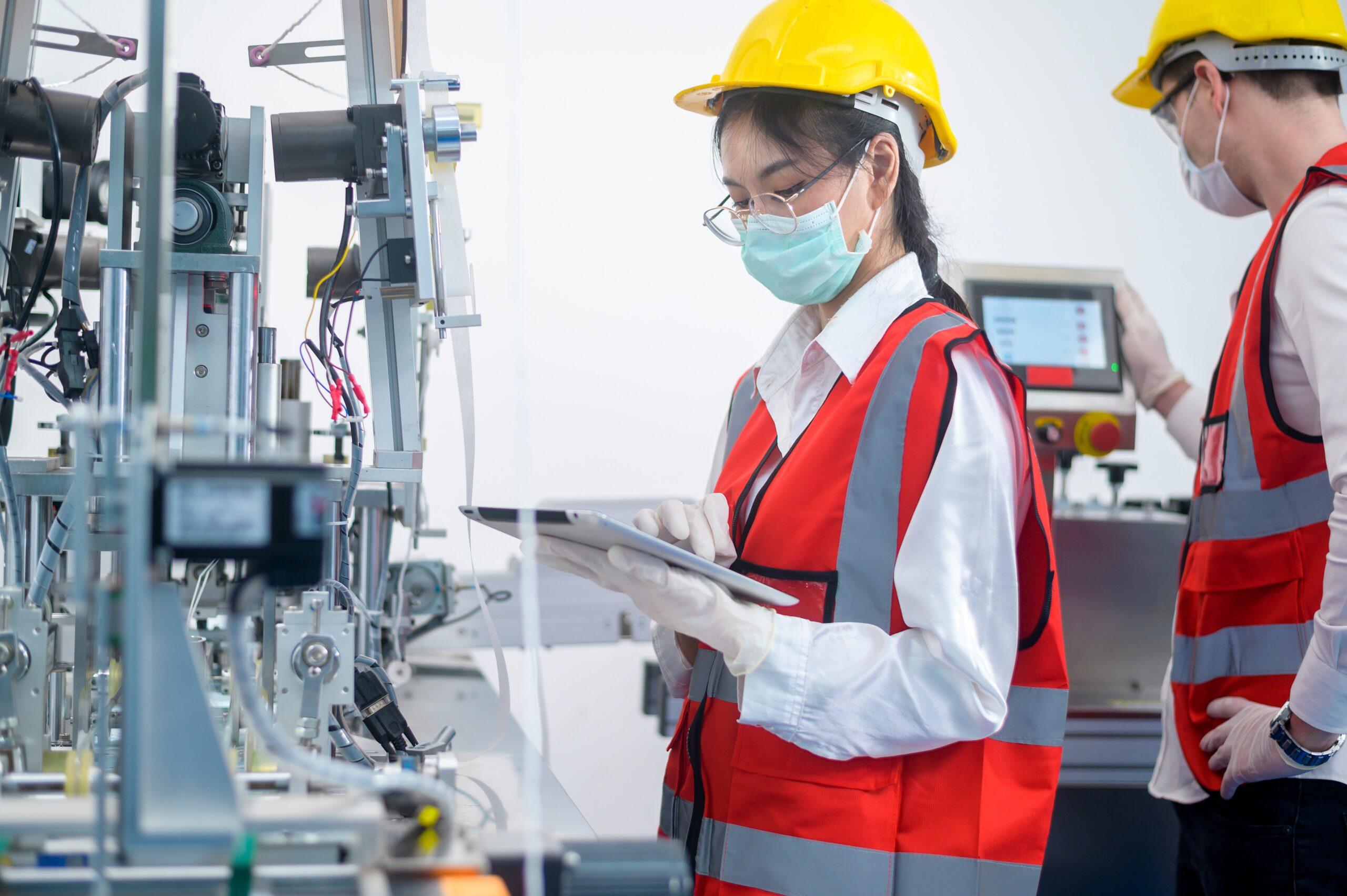
Ensuring high standards in cereal production begins long before the milling process. Each step in the journey from field to final product is laden with quality control measures that maintain integrity and consistency. Farmers are equipped with precise agronomic practices, guiding them to use optimal seeds, fertilizers, and irrigation techniques. Once harvested, grain undergoes stringent laboratory analyses to detect:
- Moisture content: Ensures stability and prevents spoilage.
- Purity testing: Guarantees that grains are free from contaminants.
- Nutritional assessment: Confirms the cereal meets expected health standards.
As batches progress to the milling stage, a suite of technological innovations supports continuous monitoring. Automated systems perform real-time checks on particle size, ensuring optimal flour texture. Quality assurance teams utilize data analytics to track metrics like fallout rates and milling yield. Furthermore, safety protocols are enforced to minimize risks of cross-contamination. Here’s a snapshot of the checks typically implemented:
| Check Type | Description |
|---|---|
| Visual Inspection | Identifies any physical defects in grains and flour. |
| Microbiological Testing | Detects presence of harmful bacteria and pathogens. |
| Grain Hardness Evaluation | Assesses the suitability of grain for specific milling processes. |

Future Trends in Sustainable Milling Practices and Their Impact
The landscape of cereal milling is evolving rapidly, driven by the pressing need for sustainable practices and the innovation of technology. Emerging trends are reshaping how mills operate, focusing on efficiency, waste reduction, and resource conservation. One notable trend is the introduction of energy-efficient machinery, which not only reduces carbon footprints but also minimizes operational costs. Furthermore, companies are increasingly adopting zero-waste practices, where all parts of grain are utilized, reducing byproducts and enhancing profitability. This holistic approach not only meets consumer demand for sustainability but also aligns with regulatory pressures and corporate social responsibility (CSR) commitments.
We can expect that advancements in biotechnology will also play a significant role in the future of milling. Techniques such as enzyme application are being explored to improve extraction rates and flour quality while requiring less energy and water. Additionally, the use of renewable energy sources, including solar and wind, is gaining traction, leading to significant reductions in greenhouse gas emissions. As the industry shifts towards these innovative methodologies, the challenges of scalability, cost, and market adoption must be addressed. Embracing these trends will not only transform the milling process itself but also significantly contribute to a more sustainable food supply chain.
Final Thoughts
As we come to the end of our journey through the intricate world of cereal milling, it’s clear that this age-old practice marries art with science in a tapestry of tradition and innovation. Each grain carries not just potential for nourishment, but a story of meticulous craftsmanship honed over centuries. From the humble beginnings of grinding grains by hand to the sophisticated technologies shaping modern mills, we have witnessed a transformation that reflects our evolving understanding of food production.
Today’s cereal milling is not merely a mechanical process; it is a symphony of precision, efficiency, and sustainability. As we navigate through challenges such as environmental impact and the quest for higher nutritional quality, the industry stands at a crossroads where creativity meets technology, opening doors for future advancements.
In this era of rapid change, embracing both the art and the science of cereal milling is crucial for ensuring food security and meeting the dietary needs of a growing population. As we conclude our exploration, let us appreciate the complexities involved in every bite of cereal, recognizing the skilled hands and innovative minds that have come together to shape our breakfast tables and beyond. The conversation may end here, but the evolution of cereal milling is far from over—its legacy continues to inspire and feed us in ways we are just beginning to understand.




