Unpacking Corn Processing: From Field to Final Product
Corn, often dubbed the “golden grain,” is more than just a staple food; it is a versatile powerhouse that fuels economies and nourishes populations worldwide.As we journey from the sun-kissed fields of vast corn plantations to the intricate machines of processing facilities, we uncover the remarkable transformation of this humble crop into a myriad of final products. From sweeteners and oils to bioplastics and animal feed,corn plays a pivotal role in various industries,making it a vital part of our daily lives.In this article, we will dissect the corn processing journey, exploring each phase of its metamorphosis wiht a keen eye on the technology, sustainability practices, and economic implications that shape this essential agricultural commodity. Join us as we delve into the captivating world of corn processing, illustrating how a single plant can impact everything from our kitchens to the global marketplace.
Exploring the Corn Lifecycle from Harvest to Processing
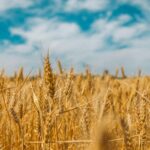
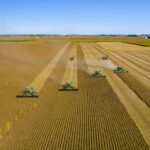
The journey of corn from harvest to processing involves a fascinating interplay of agricultural tradition and modern technology. After the plants are harvested, which typically occurs in late summer or autumn, the corn enters a critical phase: drying. Farmers must ensure that the moisture content of the corn is optimal—too wet and it risks mold, too dry and it loses valuable weight.Once dried, the corn is transported to processing facilities where it undergoes cleaning to eliminate any debris, toxins, or impurities that may have been collected in the field. This is an essential step for maintaining quality and ensuring safe consumption.
Once the corn is cleaned, it moves on to the main processing stage where it can be transformed into a variety of products. Some common methods of processing include:
- Grinding: Turning kernels into flour or polenta.
- Fermentation: Leading to the production of ethanol, used as a biofuel.
- Wet milling: Breaking down kernels to produce corn starch, sweeteners, and oils.
These processes utilize specialized machinery designed to maximize yield and efficiency, continually advancing to meet the growing demand for corn-based products. Below is a brief overview of the typical products derived from corn processing:
| Product | Description |
|---|---|
| Corn Starch | A thickening agent commonly used in cooking. |
| Corn Oil | A versatile cooking oil extracted from the germ of corn. |
| High-Fructose Corn Syrup | A sweetener derived from corn syrup, widely used in food production. |
| Snack Foods | Products like popcorn and corn chips. |
Innovative Techniques in Corn Milling and Refinement
As the corn industry evolves, a variety of innovative techniques have emerged to enhance milling and refinement processes. One such method is high-moisture corn processing which allows for the grain to be processed at higher moisture levels, improving the milling efficiency and the nutrient availability for animal feed. Additionally, dry milling technology has been augmented with advanced machinery that employs micro-sifting and air-classification to produce finer flour with minimal waste. The incorporation of enzymatic treatments further speeds up the starch extraction process, ensuring that more usable product is obtained from each kernel.
Moreover, advancements in automation and control systems have revolutionized the corn milling landscape. These systems facilitate real-time monitoring and adjustments during processing, considerably reducing human error and improving product consistency. Innovative techniques also extend to sustainability practices, such as the use of by-products from milling to create biofuels and other value-added products. As an example,the integration of recycling processes has led to a circular economy model within the industry,whereby kernel husks and other milling remnants are repurposed efficiently.
Sustainability in Corn Processing: Best Practices for Modern Producers
In the quest for sustainable corn processing, modern producers are embracing a variety of best practices that not only enhance productivity but also minimize environmental impact. One of the key strategies involves optimizing water usage through advanced irrigation techniques. By implementing precision agriculture,farmers can reduce water waste while ensuring that crops receive the exact amount of moisture they need for optimal growth. This method not only conserves a vital resource but also promotes healthier yields. Additionally, producers are increasingly leveraging renewable energy sources, such as solar and wind, to power their operations, significantly decreasing carbon footprints and reliance on fossil fuels.
Another essential aspect of sustainability in this sector is the management of agricultural by-products. Instead of discarding remnants from corn processing, innovative producers are finding ways to repurpose these materials effectively. As an example:
- Utilizing corn stalks and husks as organic compost or green manure, enriching soil health.
- Converting waste into bioenergy via anaerobic digestion, thus providing a renewable energy source while reducing landfill waste.
- Incorporating cover crops in off-seasons to improve soil structure and combat erosion.
By integrating these sustainable practices, corn processors not only contribute to environmental health but also promote economic viability in their communities, creating a win-win scenario for agriculture and Mother Nature.
The Future of Corn Products: Trends and Consumer Insights
As consumer preferences evolve,so do the innovations in corn products. Increasingly, health-conscious individuals are looking for alternatives that cater to sustainable diets, leading to a rise in demand for organic and non-GMO corn products. This shift reflects a broader trend towards transparency in food sourcing, where consumers are motivated by factors such as nutritional value, environmental impact, and ethical sourcing. The emergence of plant-based diets has also contributed to the proliferation of corn-derived ingredients, paving the way for new product categories and applications across snack foods, beverages, and gluten-free offerings.
Additionally, the intersection of technology and agriculture is transforming how corn products are developed and marketed. With the advent of precision farming, farmers can now optimize growth conditions and yield sustainability, which resonates well with eco-aware consumers. The rise of e-commerce has facilitated a direct-to-consumer model, allowing businesses to gain insights into preferences and refine their offerings accordingly. Key trends influencing this future landscape include:
- Customized Nutrition: Tailored nutrition products that cater to specific dietary needs.
- Functional Ingredients: Incorporating corn-derived fibers and proteins into health-focused products.
- Product Transparency: Labels that convey sourcing and ingredient integrity.
| Trend | Impact | Potential Products |
|---|---|---|
| Plant-Based Alternatives | Increased nutrition awareness | Veggie burgers, dairy substitutes |
| Sustainable Practices | Consumer trust and loyalty | Organic corn snacks, eco-pleasant packaging |
| Personalization | Diverse market needs | Customized snack packs, meal kits |
Insights and Conclusions
the journey of corn from field to final product is a fascinating tapestry woven with tradition, technology, and innovation. Each kernel holds a story, not just of agricultural practices and patient cultivation but also of the intricate processes that transform raw grain into the myriad products we encounter daily. As we unpack the layers of corn processing, we gain a deeper appreciation for the science and artistry behind its versatility.Understanding this journey invites us to reflect on the myriad ways corn enriches our lives, from the humble tortillas on our plates to the biofuels powering our vehicles. As we look ahead, the continued evolution of corn processing promises exciting developments, ensuring this staple crop remains at the forefront of food production and sustainability. Let us embrace the endless possibilities that corn offers, cherishing both its legacy and its future.