
In the early morning light, the aroma of freshly poured cereal wafts through kitchens, a familiar prelude to the day ahead. For many, a bowl of cereal represents more than just a quick breakfast option; it embodies a ritual that bridges the simplicity of grain with the intricacies of modern food processing. But have you ever paused to consider the journey of those crunchy flakes as they transition from the farm to your breakfast table? In “Unpacking Cereal Processing: From Grain to Breakfast Bowl,” we embark on a fascinating exploration of the mechanisms and methods that transform humble grains into the varied and vibrant cereals we consume. From the fields where the grains are cultivated to the sophisticated facilities where processing occurs, join us as we unveil the intricate steps involved in crafting this staple of morning routines, illuminating the science, art, and industry behind every spoonful.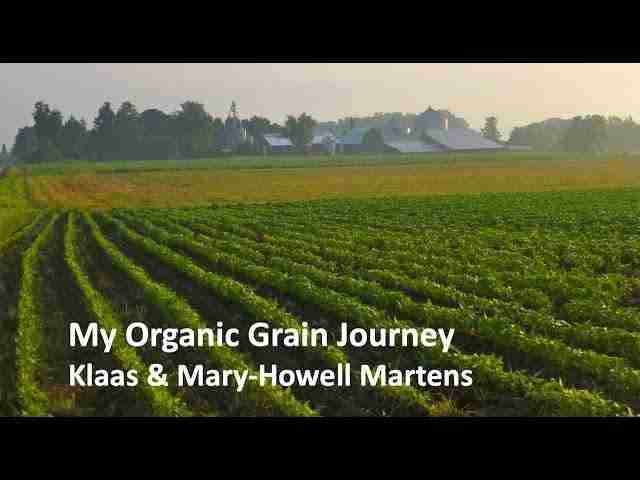
Exploring the Grain Journey: Key Steps in Cereal Preparation
The journey of transforming grain into the beloved breakfast staple we enjoy starts with harvest, where farmers carefully collect ripe crops from the fields. This step is crucial as it lays the foundation for the quality of the end product. Once harvested, grains are transported to processing facilities, where they undergo cleaning. This process removes impurities such as dirt, stones, and other foreign materials to ensure that only the best grains make it through. Subsequent steps include conditioning, which involves adjusting the moisture content of the grains, making them easier to mill. Throughout these stages, the grains are monitored for quality, ensuring that each kernel is fit for consumption.
After cleaning and conditioning, the grains progress to milling. This is where the magic happens—grains are ground into flour or other desired textures. The milling process may vary based on the type of cereal being produced, leading to distinct textures and flavors. The next crucial step is toasting, where heat is applied to enhance the flavors and shelf-life of the grains. Below is a simple overview of this transformation process:
| Step | Description |
|---|---|
| Harvest | Collecting mature crops from the fields. |
| Cleaning | Removing dirt and impurities from grains. |
| Conditioning | Adjusting moisture content for milling. |
| Milling | Grinding grains into flour or cereal forms. |
| Toasting | Applying heat to enhance flavor and shelf-life. |

Understanding Nutritional Transformations: How Processing Affects Breakfast Quality
Processing cereal grains often involves a series of intricate steps that can significantly alter their nutritional profile and overall quality. During these transformations, grains are subjected to methods such as milling, flaking, and toasting, each contributing to the end product’s texture and flavor. However, these processes can also lead to the loss of vital nutrients including fiber, vitamins, and minerals, which are essential for a balanced breakfast. It’s essential for consumers to be aware of these changes in order to make informed choices when selecting their morning meals.
To illustrate the effects of processing on the nutritional value of breakfast cereals, consider the following comparisons:
| Type of Cereal | Whole Grain | Processed Cereal |
|---|---|---|
| Fiber Content | High | Lower |
| Added Sugars | Minimal | Often High |
| Vitamins and Minerals | Rich | Often Fortified |
As evident from the table, while processed cereals may be fortified with nutrients, they often compromise on fiber and contain excessive sugars. This raises important questions about the trade-offs involved in choosing breakfast options. Opting for whole grain cereals can provide a more wholesome experience, aligning better with nutritional goals while delivering sustained energy throughout the day.

Innovative Techniques in Cereal Production: Enhancing Flavor and Texture
Advancements in cereal production are leading to an exciting interplay of science and culinary art, with innovative techniques that enhance both flavor and texture. One such method is the introduction of fermentation processes, which not only boost nutritional value but also introduce unique taste profiles. Through controlled fermentation, natural enzymes break down proteins and starches, resulting in a more complex flavor that appeals to consumers seeking depth in their breakfast options. Additionally, the use of extrusion technology allows manufacturers to create cereals with varying textures, from airy puffs to crunchy clusters, catering to diverse preferences and dietary needs.
Another promising development is the incorporation of ancient grains and superfoods into cereal formulations. By blending traditional grains like quinoa, teff, and farro with modern cereals, manufacturers can create products that are not only flavorful but also packed with nutritional benefits, such as higher protein content and essential minerals. Furthermore, the application of flavor encapsulation techniques enables the preservation of volatile flavor compounds, ensuring that each bite of cereal bursts with freshness. Below is a comparative table showcasing various techniques and their impacts on cereal production:
| Technique | Flavor Enhancement | Texture Improvement |
|---|---|---|
| Fermentation | Deep, complex taste | Soft yet chewy |
| Extrusion | Varied flavor profiles | Crispy or crunchy |
| Incorporating Ancient Grains | Earthy, nutty flavors | Hearty and satisfying |
| Flavor Encapsulation | Retained freshness | Uniform texture |

Sustainability in Cereal Processing: Best Practices for a Greener Future
Embracing sustainable practices in cereal processing is crucial for reducing the environmental footprint of our food systems. By implementing innovative technologies, processors can not only streamline production but also minimize waste. Some effective strategies include:
- Water Conservation: Utilizing closed-loop systems can significantly reduce water usage during washing and processing.
- Energy Efficiency: Upgrading to energy-efficient machinery lowers energy consumption and costs.
- Sourcing Locally: Working with local grain suppliers reduces transport emissions and supports regional economies.
- Waste Recycling: Implementing composting and recycling programs for by-products can turn waste into valuable resources.
Furthermore, sustainable packaging plays a pivotal role in the cereal supply chain. Moving towards biodegradable and recyclable materials not only meets environmentally conscious consumer demands but also enhances brand loyalty. In addition, educating consumers on proper disposal and recycling practices can amplify these efforts. Key components to consider include:
| Packaging Type | Environmental Impact |
|---|---|
| Biodegradable Plastics | Break down naturally, reducing landfill waste. |
| Recyclable Cardboard | Easily processed, promoting a circular economy. |
| Glass Containers | Reusable and recyclable, minimizing environmental harm. |
To Conclude
As we reach the end of our journey through the intricate world of cereal processing, it’s clear that the path from grain to breakfast bowl is not merely a straightforward march but a fascinating odyssey. Each step, from the cultivation of grains to the intricate methods of milling, mixing, and packaging, reveals the blend of science, tradition, and innovation that shapes our beloved morning ritual.
Next time you pour that perfect bowl of cereal, take a moment to appreciate the unseen efforts that have transformed raw grains into the colorful, crunchy delights we relish. Understanding the layers of processing also invites us to consider the broader implications—nutritional values, sustainability practices, and the impacts of food production on our planet.
So as you savor each bite, remember that each spoonful is a testament to the meticulous craft that ensures your breakfast is both nourishing and enjoyable. With our newfound knowledge, let’s embrace the simplicity of cereal while acknowledging the complexity behind it—because every grain has a story worth telling. Happy breakfast!




