
Unlocking the Secrets of Maize Milling: A Transformative Process
In the heart of agriculture lies a staple that has nourished civilizations for centuries: maize. Known by many names—corn, sweet corn, or simply maize—it transcends mere sustenance, playing a pivotal role in various cuisines and economies worldwide. Yet, beyond its vibrant kernels and earthen aroma, lies a multifaceted process that transforms this humble grain into a myriad of valuable products. Welcome to the world of maize milling, an intricate dance of technology and tradition where raw grain undergoes a metamorphosis into flours, meals, and other essentials that fuel both industries and households alike. This article aims to peel back the layers of this transformative process, unveiling the intricacies, innovations, and the profound impact of maize milling in our modern landscape. Join us as we explore how this age-old practice not only shapes our diets but also serves as a cornerstone of food security and economic development across the globe.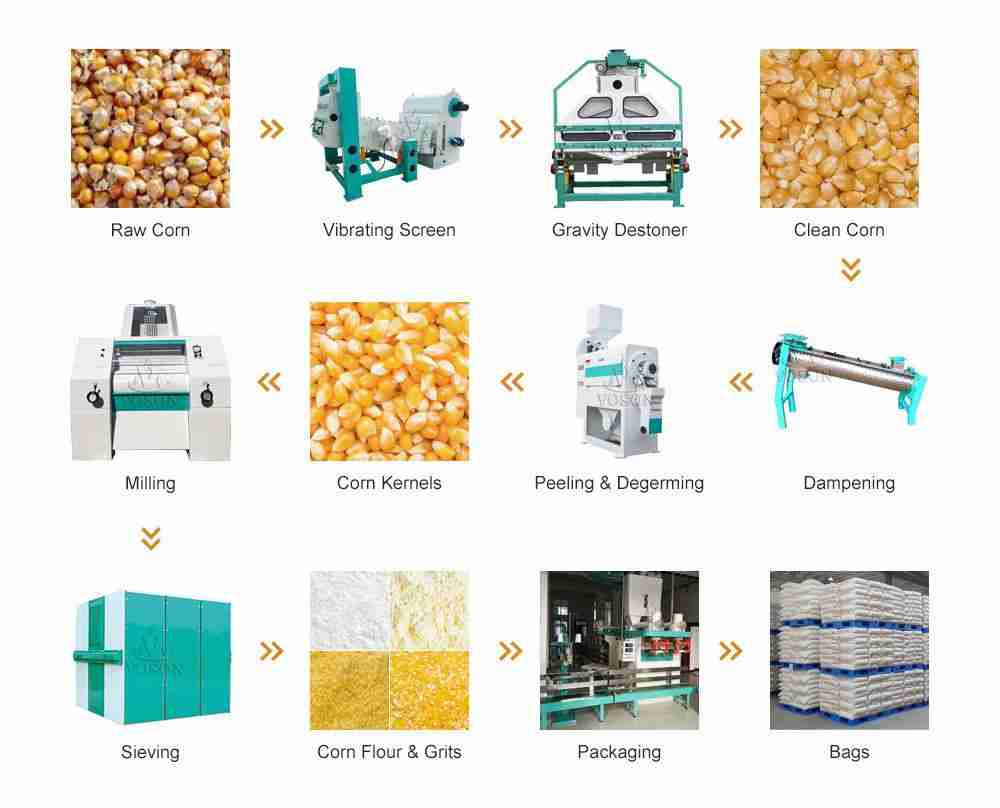
Understanding the Maize Milling Journey from Cob to Flour
The journey of maize milling is as fascinating as the grain itself, transforming humble cobs into versatile flour. Initially, the process begins with harvesting, where farmers carefully select mature maize cobs. These cobs are then brought to milling facilities where they undergo a series of meticulous steps, ensuring the highest quality of flour. During this phase, the cobs are cleaned to remove dust and debris, followed by drying to achieve optimal moisture content. Once prepared, the kernels are removed from the cobs using specialized machinery designed to protect the integrity of the grain.
After extraction, the kernels embark on their transformative journey through milling. They are subjected to grinding, where large stones or metal rollers crush the kernels into a fine powder. This process can be finely tuned to create different textures and grades of flour, catering to various culinary needs. Next, the flour is subjected to sifting, ensuring that any larger particles are discarded for a smooth final product. the flour is packaged and distributed, ready for bakers, chefs, and home cooks to unlock a world of delicious possibilities. Here’s a brief overview of the milling steps:
| Step | Description |
|---|---|
| Harvesting | Selecting and collecting mature maize cobs. |
| Cleaning | Removing dust and foreign materials. |
| Drying | Adjusting moisture content for optimal milling. |
| Grinding | Crushing kernels into flour with rollers or stones. |
| Sifting | Removing larger particles to ensure smooth flour. |
| Packaging | Final flour product ready for distribution. |

Key Equipment and Technology Innovations in Maize Milling
In recent years, the maize milling industry has witnessed a surge in technological advancements that enhance efficiency, quality, and sustainability. Among these innovations, automatic milling systems have emerged as game changers, utilizing advanced sensors and AI algorithms to optimize grain selection and processing parameters. These systems not only ensure consistency in product quality but also reduce waste and energy consumption. Furthermore, innovations such as grind enhancements and engineered milling components are tailored to increase extraction rates and improve flour properties, serving both industrial and artisanal markets alike.
The integration of data analytics and IoT technologies is transforming how maize milling operations monitor performance and predict maintenance needs. By employing real-time data analysis, mill operators can gain insights into production processes, minimize downtime, and enhance operational workflows. Additionally, the adoption of eco-friendly practices like water recycling systems and dust control technologies further cements the industry’s commitment to sustainability, ensuring that maize milling not only feeds communities but also nourishes the planet. These innovations collectively represent a robust movement towards modernizing the maize milling landscape, driving both profitability and environmental stewardship.

Quality Control Practices for High-Grade Maize Products
Maintaining excellence in maize products relies heavily on robust quality control practices that ensure each step of the milling process adheres to high standards. These practices start at the sourcing stage with the assessment of raw maize, where inspectors examine the grain for specific quality parameters such as moisture content, purity, and damaged kernels. Once the maize arrives at the mill, rigorous procedures are implemented, including:
- Visual Inspection: A careful assessment of grain before processing.
- Moisture Testing: Utilizing moisture meters to ensure grains are within optimal levels.
- Grading: Classifying maize based on quality to determine suitable uses.
The milling equipment’s performance is also closely monitored to prevent contamination and ensure consistency. Regular cleaning schedules are established, and maintenance logs are kept to track equipment efficiency. To capture the final quality of the product, systematic sampling is crucial. The below table illustrates key metrics evaluated during testing:
| Quality Attribute | Standard Range | Testing Method |
|---|---|---|
| Moisture Content | ≤ 14% | Moisture Meter |
| Protein Content | ≥ 8% | Nitrogen Analyzer |
| Kernel Hardness | Uniform | Texture Analyzer |
By adhering to these practices, maize milling facilities can enhance the overall quality of their end products, ensuring they meet not only consumer expectations but also industry standards.

Sustainable Strategies for Enhancing Maize Milling Efficiency
Maximizing the efficiency of maize milling is not only essential for economic gains but also for fostering sustainable agricultural practices. One effective approach is the implementation of energy-efficient technologies that reduce both operational costs and environmental impact. By integrating modern milling equipment, facilities can operate at a lower energy consumption rate while maintaining high output quality. Additionally, investing in renewable energy sources, such as solar panels, can significantly decrease reliance on non-renewable power, thus enhancing overall sustainability in the milling process.
Another vital strategy is to adopt waste reduction techniques that ensure minimal by-product is left after milling. This can be achieved by optimizing milling processes to ensure maximum grain utilization. The following measures can be taken to improve efficiency:
- Utilizing advanced cleaning systems to remove impurities before milling
- Implementing precision milling practices to reduce losses
- Recycling by-products such as husks for animal feed or energy generation
These strategies not only streamline operations but also contribute to a circular economy that benefits farmers and the environment alike. By coordinating these efforts, maize millers can play a pivotal role in promoting sustainable practices across the agricultural supply chain.
To Wrap It Up
the journey through the intricate world of maize milling reveals a tapestry of tradition, innovation, and transformation. From the sun-drenched fields where maize is cultivated to the rhythmic whir of machines in milling facilities, each step embodies not just a process, but a connection to communities and cultures worldwide. As we delve deeper into the secrets behind this age-old practice, we uncover not only the techniques that shape our food systems but also the potential for sustainable advancements that promise to redefine how we consume and appreciate maize. The secrets of maize milling are not merely about turning grain into flour; they signify a bridge between the past and the future, urging us to rethink our relationship with one of humanity’s most essential crops. Embracing this knowledge opens doors to culinary creativity, nutritional empowerment, and economic opportunity. As we close this exploration, let us carry forward the understanding that maize milling is more than a transformative process; it is an ever-evolving story waiting to be told.




