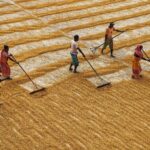
Unlocking the Secrets of Maize Milling: A Grain Revolution
In a world where food security and lasting practices are increasingly vital, maize stands as a cornerstone of global agriculture. Yet, beneath the surface of this staple grain lies a complex tapestry of processes and innovations that can revolutionize our approach to milling. As we embark on a journey through the intricacies of maize milling, we unveil the methods that transform humble kernels into a myriad of products, from flour to cornmeal and beyond. This exploration not only highlights the art and science behind the milling process but also emphasizes its pivotal role in enhancing nutritional value and economic growth. Join us as we unlock the secrets of maize milling, revealing how this age-old practice is poised to redefine our relationship with this remarkable grain in the 21st century.
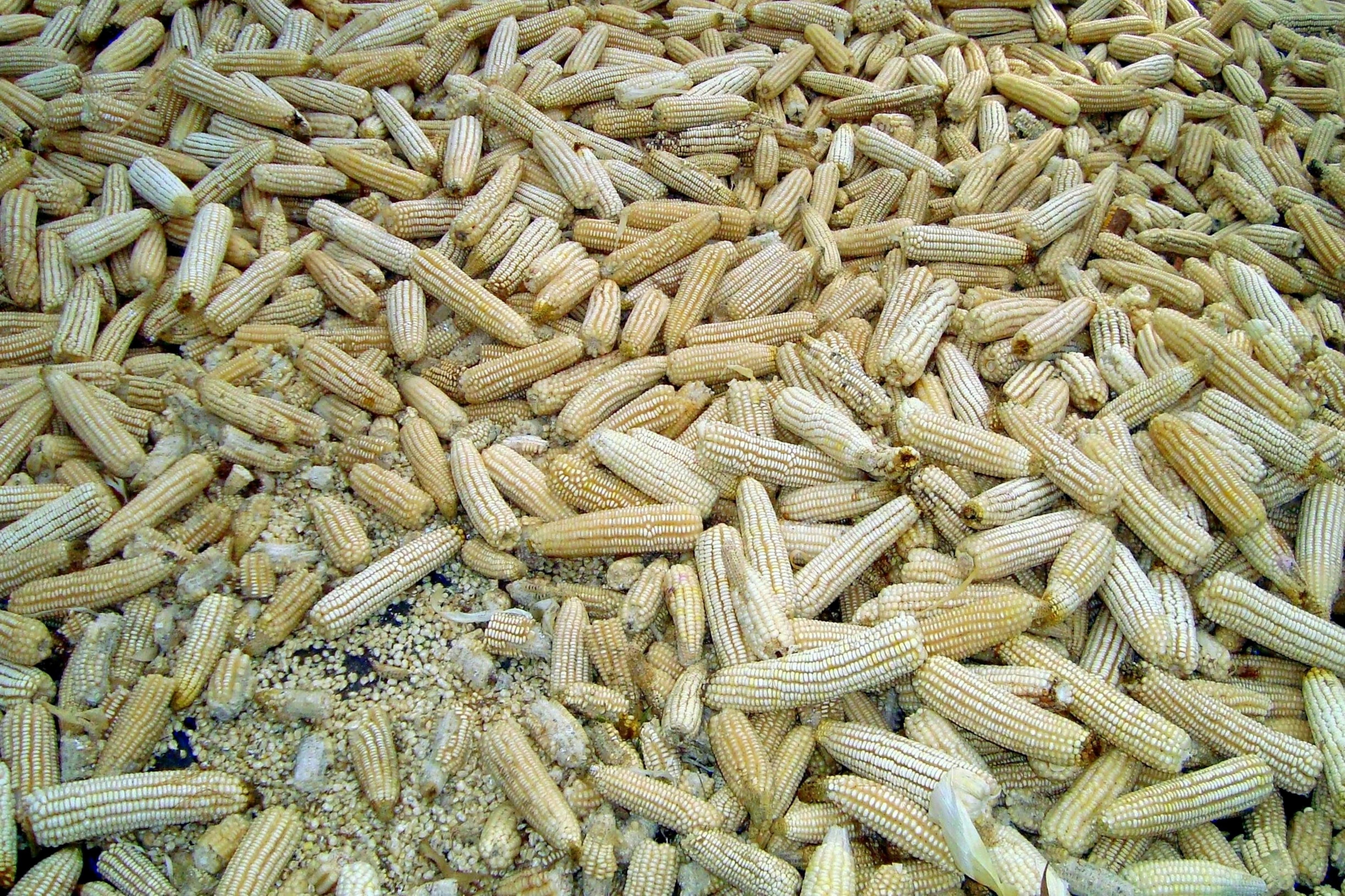
Understanding the Maize Milling Process and Its Importance
The maize milling process is a interesting journey that transforms humble maize kernels into a variety of flour and meal products integral to countless diets around the world. It begins with the selection of quality maize, which is than cleaned to remove impurities. The cleaning process is crucial, as contaminated grains can affect both health and the quality of the final product. Once cleaned,the maize undergoes a series of grinding and sifting processes,where it is indeed progressively refined into diffrent particle sizes. The mill operator carefully monitors this transformation, ensuring that the end products meet specific requirements for color, texture, and nutritional value.
The importance of this process extends far beyond mere production. Milling not only enhances the shelf life of maize by reducing the risk of spoilage but also preserves essential nutrients while making it more digestible. The end products serve a multitude of purposes, including:
- Corn Flour: A versatile ingredient in baking and cooking.
- Maize Meal: A staple in manny African and Latin American cuisines.
- Hominy: Used to create delicious treatments within the culinary realm.
This intricate process supports local economies by providing jobs and serving as a backbone for food security, demonstrating the profound impact that maize milling has within agriculture and food industries globally.

Innovative Techniques and Technologies Reshaping Maize Milling
In recent years, the maize milling industry has witnessed a surge in innovative techniques and technologies that have fundamentally transformed the way this staple grain is processed. advanced milling machinery now incorporates smart technology, allowing for precise adjustments in grinding processes to optimize flour quality. These machines utilize artificial intelligence and machine learning algorithms to analyze grain characteristics and adjust settings in real-time, ensuring uniformity and enhancing the nutritional profile of the final product. Moreover, the emergence of automated systems facilitates efficient batch processing and reduces the need for human intervention, significantly increasing productivity while maintaining high standards of hygiene.
Furthermore, sustainable practices are gaining momentum within the maize milling sector. The integration of renewable energy sources such as solar and biogas power not only reduces carbon footprints but also lowers operating costs. In addition to energy efficiency, the utilization of by-products from maize milling, such as husks and germ, is being optimized into feedstock for livestock and biogas production. This not only maximizes resource utilization but also supports a circular economy within agricultural practices. The following table highlights some of the key technologies being adopted:
| Technology | Benefits |
|---|---|
| AI-Powered Milling | Real-time adjustments for consistent quality |
| Sustainable Energy Solutions | Reduces costs and environmental impact |
| Automated Processing Systems | Increases efficiency and hygiene standards |
| By-Product Utilization | Supports waste reduction and circular economy |
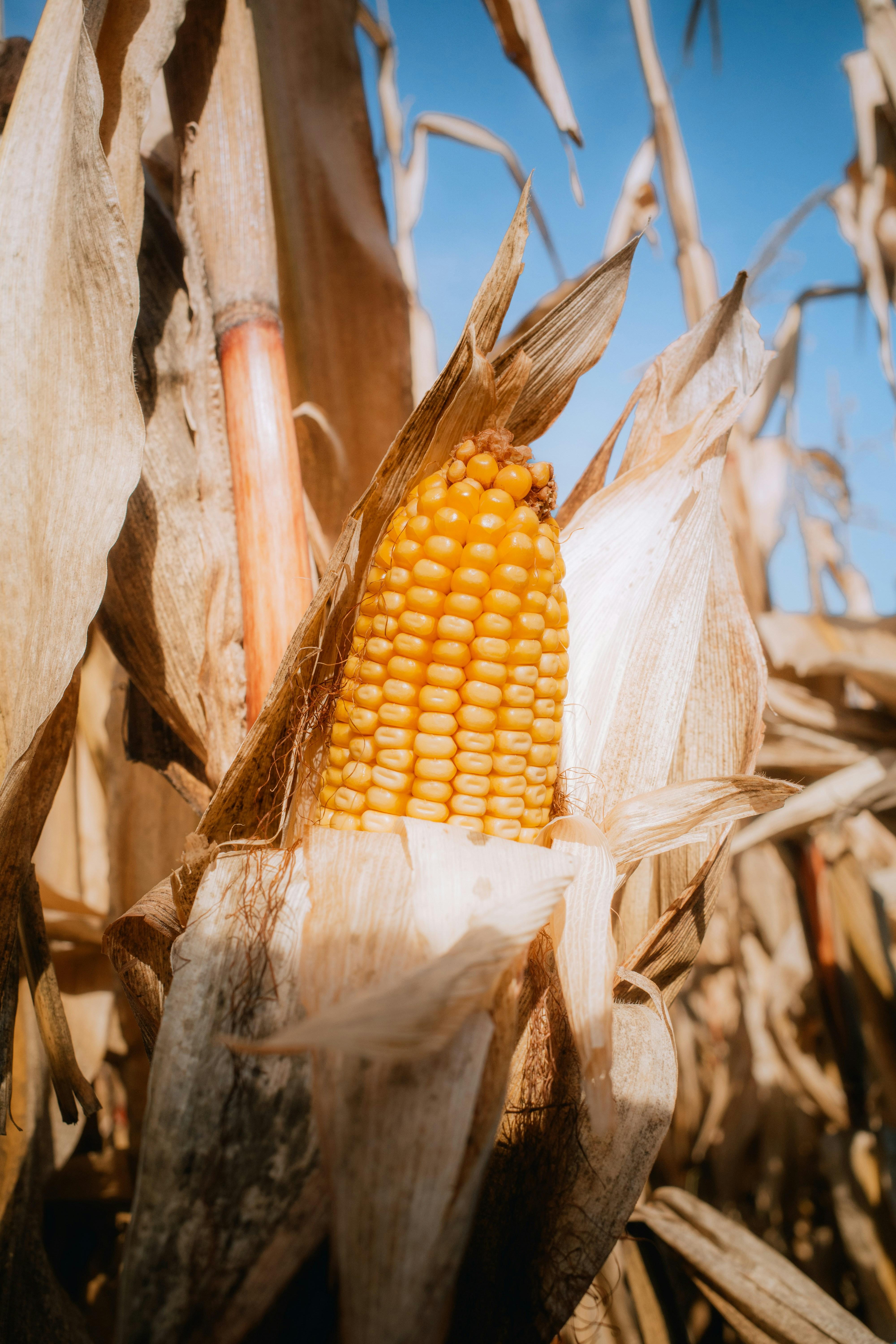
Best Practices for Quality Control in Maize Production
Ensuring high-quality maize production involves adhering to a set of best practices that can significantly increase yield and grain integrity. Potential growers should start by selecting the right variety of maize suited to their local climate and soil conditions, as genetic traits can influence disease resistance and adaptability. Regular soil testing is essential to understand nutrient availability, guiding the application of fertilizers effectively.when it comes to planting, maintaining optimal plant spacing and depth can prevent overcrowding and promote healthy growth, thus enhancing overall crop quality. Furthermore, irrigation management is critical, as maize requires consistent moisture, particularly during the flowering phase, to achieve maximum kernel formation.
In the field, employing integrated pest management strategies can minimize damage from insects and diseases without negatively impacting the environment. Monitoring for pests and diseases should be a continuous practice, ideally using both conventional and advanced methods such as traps and digital sensors. Additionally, implementing post-harvest handling practices, like proper drying and storage techniques, can greatly reduce mycotoxin levels and maintain grain quality. To streamline these processes, it can be helpful to keep a detailed log of practices and outcomes, allowing for continuous advancement in quality control measures. HearS a fast reflection on maintaining quality through specific management strategies:
| Management Strategy | Benefit |
|---|---|
| Soil Testing | Informs fertilizer use and soil health |
| Pest Monitoring | Reduces crop losses from infestations |
| Post-Harvest Handling | Maintains grain quality; reduces mycotoxins |
| Irrigation Management | Ensures optimum moisture levels |

Sustainability in Maize Milling: strategies for a Greener Future
In the quest for a more sustainable maize milling industry, innovative practices are at the forefront of transforming grain processing. Energy efficiency plays a crucial role in minimizing carbon footprints, with many mills adopting cutting-edge technologies that optimize energy use. By investing in renewable energy sources such as solar or wind power, these facilities can drastically reduce their reliance on fossil fuels. Additionally,implementing waste reduction strategies not only helps minimize environmental impact but also enhances overall operational efficiency:
- Utilizing by-products for animal feed or bioenergy
- Implementing closed-loop water systems to conserve water
- Recycling packaging materials to reduce waste
Furthermore,sustainable practices extend to sourcing raw materials. Responsible farming partnerships that prioritize organic and non-GMO maize can significantly reduce pesticide and herbicide use, fostering a healthier environment. Mills can also engage in community initiatives that promote climate-smart agriculture, ensuring that farmers are equipped with techniques that enhance soil health and biodiversity. A strategic approach could include:
| Strategy | Benefits |
|---|---|
| Renewable Energy Adoption | Lower carbon emissions |
| Waste Diversion Programs | Reduced landfill use |
| Local Sourcing | Support for local economies |
By integrating these strategies, maize milling not only contributes to a greener future but also ensures the sustainability of the industry for generations to come.The attention to ethical practices and environmental conservation can foster an industry that is both productive and responsible.
In Conclusion
As we draw the curtain on our exploration of maize milling and the transformative impact it has on the agricultural landscape, it’s clear that this process is not merely about transforming a grain into flour; it embodies a revolution of innovation, sustainability, and community empowerment. Daunting as it may seem, the intricacies of milling hold the key to unlocking economic opportunities, enhancing food security, and fostering a deeper gratitude for this ancient crop.
as we embrace the future, it is essential to recognize the potential of maize milling to reshape our relationship with food production and consumption. Whether you’re a farmer, miller, entrepreneur, or simply a curious reader, the journey through the world of maize offers insights into not only how we feed ourselves but also how we can empower communities and drive environmental stewardship.
The secrets of maize milling are now a little less secretive, weaving a narrative that invites us all to partake in a grain revolution. As we continue to uncover these layers, let us celebrate and nurture this vital resource that has sustained civilizations and promises to fortify future generations. together,we can transform the humble maize kernel into a symbol of hope and resilience in a world hungry for change.