Unlocking the Secrets of Maize Milling: A Grain Journey
in the heart of countless kitchens around the world, maize stands as a staple ingredient, quietly shaping culinary traditions and nourishing communities. Yet, this humble grain, celebrated in dishes from polenta to tortillas, carries within it a captivating tale of change. Welcome to a journey through the intricate process of maize milling,where science meets art,and tradition intertwines with innovation. In this article, we will delve into the secrets behind the milling process—uncovering the methodologies, the machinery, and the meticulous techniques that turn golden kernels into fine flour, meal, or grits. From the fields where maize is cultivated to the mills where it is processed, join us as we explore the journey of this remarkable grain, revealing the hidden complexities and the skill needed to unlock its full potential. Whether you are a culinary enthusiast,a food industry professional,or simply curious about the workings behind your favorite foods,this exploration promises to enrich your understanding of maize and the remarkable journey it undertakes from field to table.
the History and Art of Maize Milling
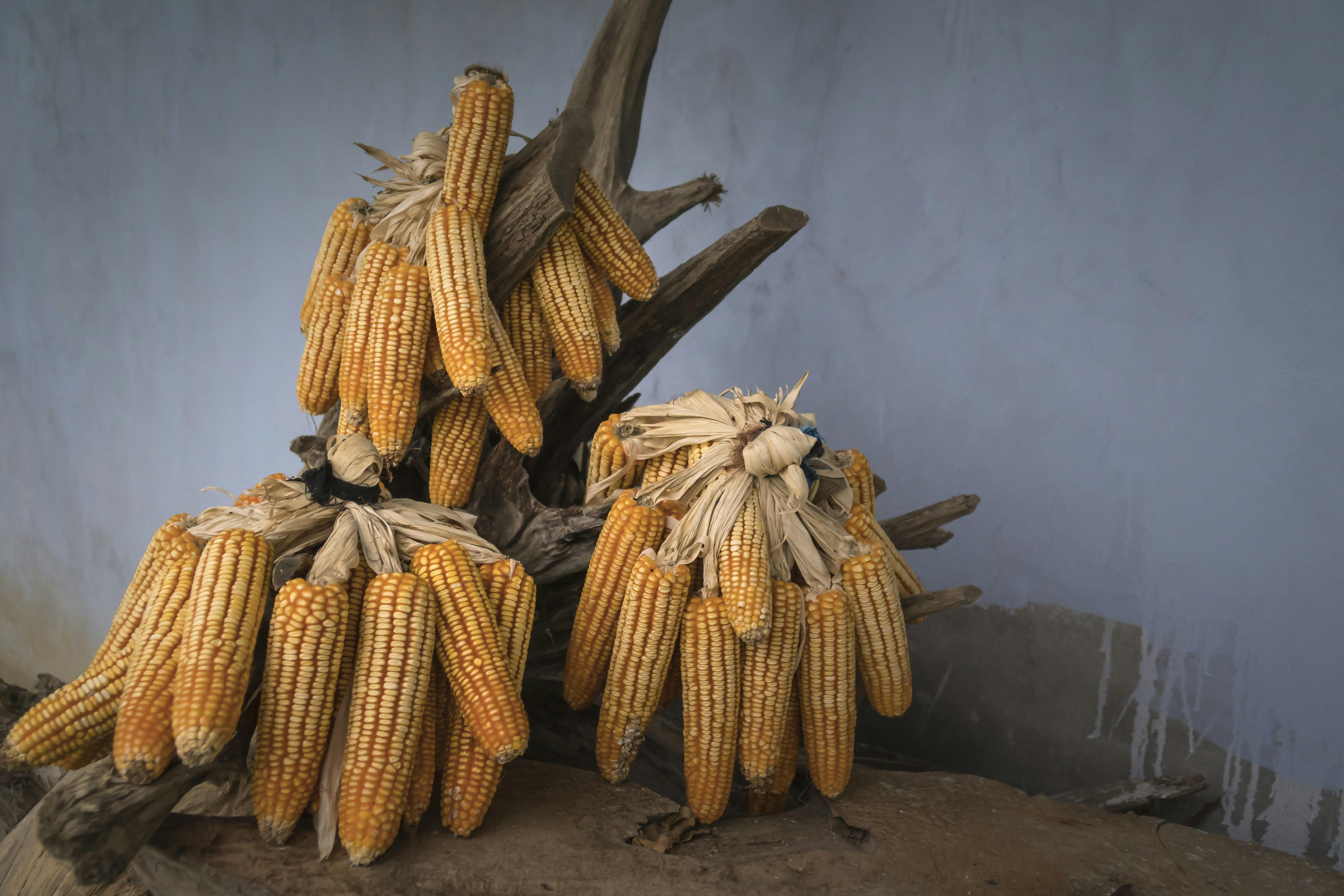
Maize milling, an art steeped in tradition, traces its roots back thousands of years to the indigenous cultures of the Americas, where maize was first cultivated.This essential grain became a cornerstone of diets and economies, leading to various milling techniques that evolved over time. From manual grinding with stone tools to the advent of water-powered mills in the Middle Ages, the process has undergone notable transformation. The early methods exhibited a deep respect for the grain, often accompanied by ceremonial practices that honored maize’s vital role in community sustenance. Today, modern machinery ensures efficiency and consistency, but many artisans still embrace customary methods, showcasing the enduring relationship between culture and milling.
The artistic aspect of maize milling is vividly illustrated in regional techniques and culinary applications, where the rich diversity of maize variety plays a pivotal role. Elevating the grain into unique products, artisan millers often use approaches such as:
- Stone milling: Preserves flavor and nutrition, creating coarser textures.
- Wet milling: Separates starch,protein,and fiber,producing fine flour.
- Nixtamalization: A traditional method that enhances flavor and nutrient absorption.
In many cultures, these methods contribute to local cuisines, producing beloved foods like tortillas, polenta, and grits. The impact of maize milling extends beyond sustenance; it reflects regional identities and culinary histories, adding layers of meaning to what might otherwise be an ordinary grain.What remains fascinating is not just the transformation of maize through milling but also how these processes connect communities,preserving traditional knowledge while ushering in innovation.
Understanding the Milling Process: Techniques and equipment
The milling process of maize, a staple food for millions, is an intricate dance of technology and tradition. In the heart of each milling facility lies a series of machines specifically designed to convert whole maize grains into flour suitable for diverse culinary uses. Techniques utilized during milling vary, but typically include dry milling and wet milling, each serving different purposes and end-products. Dry milling, known for producing flour and grits, involves the grinding of whole grain maize, while wet milling dissects the grain further, separating the starches and producing high-quality corn oil and sweeteners.
Key to the efficiency of maize milling is the equipment employed in the process. The main components include:
- Feed Hopper: This is where the grains are initially loaded.
- Grinders: Essential for breaking down grains into finer particles, they come in various designs such as hammer mills or roller mills.
- Separators: Employed to sift through the milled product, ensuring the desired consistency and removing impurities.
- Pneumatic conveyors: These enable the transport of grain and flour within the milling facility without contamination.
A basic illustration of the maize milling stages can be summarized in the table below:
| Stage | Description |
|---|---|
| 1. Cleaning | Removing impurities and foreign materials from the maize. |
| 2. Conditioning | Moisture adjustment to facilitate easier milling. |
| 3. Grinding | Breaking down the kernels into flour or grits. |
| 4. Sifting | Separation of fine flour from coarser particles. |
| 5. Packaging | Final stage where the product is bagged for distribution. |

Nutritional Benefits and Culinary Applications of Maize Flour
Maize flour is a powerhouse of nutrition,packed with essential nutrients that offer a plethora of health benefits. Rich in fiber,it promotes digestive health and aids in maintaining a healthy weight by providing a feeling of fullness. The grain is also a great source of complex carbohydrates, which are crucial for sustained energy release throughout the day. Moreover, maize flour is naturally gluten-free, making it an excellent alternative for those with celiac disease or gluten intolerance, allowing them to enjoy a versatile ingredient while reaping its numerous health advantages.
In the culinary world, maize flour shines in a multitude of applications, showcasing its versatility and unique flavor profile. It can be used in a variety of recipes, ranging from traditional to contemporary dishes. For instance, it is the star ingredient in tortillas, polenta, and cornbread, each bringing its own regional flair. Additionally, maize flour can act as a thickening agent in soups and sauces, enhancing texture without overpowering other flavors. The following table highlights some of the popular culinary uses of maize flour.
| Dish type | Description |
|---|---|
| Tortillas | Thin flatbreads integral to Mexican cuisine. |
| Polenta | A creamy Italian dish made by boiling maize flour in water. |
| Cornbread | A baked good that is sweet or savory, often served with chili. |
| Fritters | Fried snacks made with maize flour and various fillings. |

Sustainable Practices in Maize Production and Milling
In the realm of maize production, sustainability is more than just a buzzword; it’s a necessity that shapes the future of agriculture. By adopting eco-amiable techniques, farmers can improve land health, reduce waste, and increase productivity. Crop rotation is one effective approach, involving alternating maize with legumes or other crops to restore soil nutrients and prevent pest buildup. furthermore, implementing conservation tillage practices minimizes soil disturbance, enhancing water retention and reducing erosion. These methods not onyl safeguard the environment but also ensure that maize production remains viable for generations to come.
On the milling side, sustainability takes on a new dimension. Mills are increasingly focusing on energy efficiency and waste reduction, leading to eco-conscious operations. As an example, certain facilities are now employing biomass energy generated from by-products like husks and stalks, thus minimizing reliance on fossil fuels. Here are some other key practices in sustainable milling:
- water Management: Utilizing closed-loop water systems to recycle process water.
- Waste Repurposing: Converting milling by-products into animal feed or bio-based materials.
- Energy Audits: Regular assessments to identify and implement energy-saving technologies.
| Practise | Benefit |
|---|---|
| Crop Rotation | Enhances soil fertility |
| Conservation Tillage | Reduces erosion |
| Biomass Energy | Lower carbon footprint |
Closing Remarks
As we draw the curtains on our exploration of maize milling, we’ve journeyed through the intricate tapestry that weaves together tradition, technology, and transformation. From the rustic charm of ancient grinding stones to the sleek efficiency of modern milling machines, the process of turning maize into a staple ingredient continues to evolve, age-old techniques harmonizing with contemporary innovation.
In understanding the secrets of maize milling, we’ve seen how this humble grain fuels economies, nurtures communities, and sustains cultures around the globe. Each kernel tells a story, each milling method preserves a legacy, and every meal is a testament to the hard work that goes into every bite.
So as you move forward, whether in your kitchens or your curiosity, remember that maize milling is not just about grains and machines; it’s about connection—between our past and future, between communities and their sustenance.May this newfound knowledge empower you to appreciate the journey of maize in your daily life and inspire you to delve deeper into the world around you. Happy milling!