Unlocking the Secrets of maize Milling: A Culinary Journey
From the ancient fields of Mesoamerica to the bustling kitchens of modern-day culinary artisans, maize has woven itself into the fabric of cultures across the globe. In various forms—grits, tortillas, polenta, and more—this versatile grain has stood the test of time, evolving into a staple that sustains millions. But how does this humble ingredient transition from ear to meal? the answer lies in the art and science of maize milling.
In this article, we embark on a culinary journey to explore the intricate processes behind maize milling, delving into its history, techniques, and the diverse flavors it offers. Join us as we unlock the secrets behind each grind, revealing not just methods and machinery, but the stories, traditions, and innovations that shape the way we enjoy this beloved grain today. Whether you’re a seasoned chef, a curious home cook, or simply someone who appreciates good food, you’ll discover that each kernel holds a world of possibilities waiting to be revealed.
Exploring the Rich History and Cultural Significance of Maize Milling
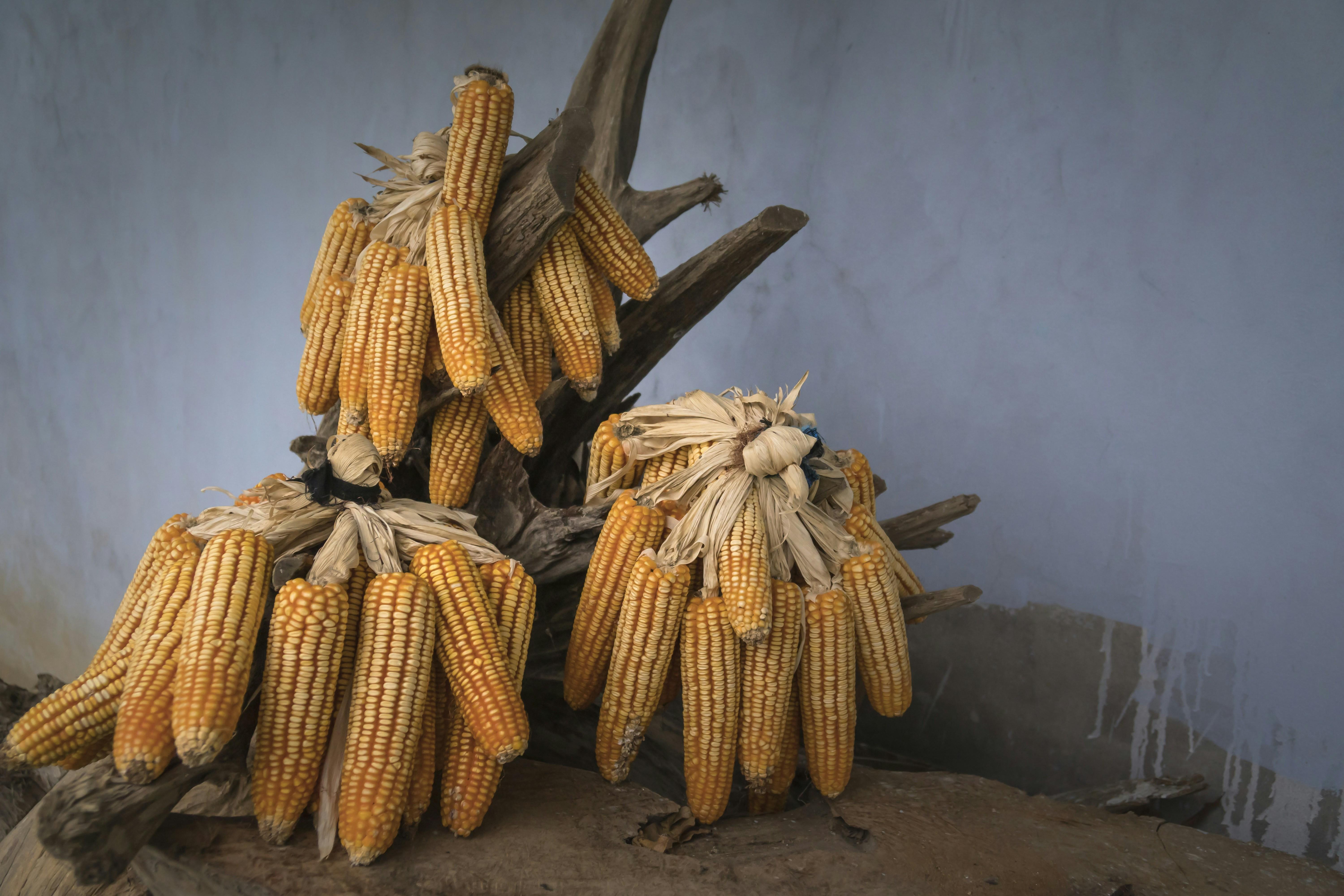
The journey of maize milling is steeped in a multitude of past and cultural narratives that reflect the agricultural practices of ancient civilizations. Maize, also known as corn, has been a vital crop for numerous indigenous cultures throughout the Americas for thousands of years.This radiant yellow grain has transcended its role as a simple food source, becoming a symbol of fertility, sustenance, and community across various societies.While the milling process may seem straightforward, it is rife wiht tradition, often involving hand-crafted methods passed down through generations.Artisan millers, using stone mills or mechanical grinders, uphold these customs, infusing their products with not just flavor, but also stories of their people.
Historically, the process of milling maize often served as a communal activity, where families woudl gather to grind grains, share recipes, and exchange life stories.This shared experience fostered social bonds and reinforced cultural identity.The culinary significance of the ground maize shines in various customary dishes, showcasing its versatility. From tortillas and tamales in Mexico to polenta in Italy and arepas in colombia, the myriad of preparations highlights the adaptability of this essential grain across diffrent cultures. Below is a snapshot of some traditional maize-based dishes:
| Dish | Country | Key Ingredients |
|---|---|---|
| tortilla | Mexico | Maize, water |
| Polenta | Italy | Maize flour, water, butter |
| Arepas | Colombia | Maize flour, cheese |
The significance of maize milling extends beyond just culinary practices; it reflects broader themes of sustainability and identity. As modern milling techniques evolve, many attempt to integrate sustainable practices that respect the habitat while honoring the past. Craftspeople are now exploring organic cultivation methods and local sourcing, aiming not just to preserve ancient knowledge but also to adapt it for future generations. These evolving narratives remind us of the importance of maize milling as a cultural thread, weaving together the fabric of communities and their histories.

Mastering Techniques: From Grain to Flour in the Modern Kitchen
In the quest for culinary excellence, understanding the transformative journey from grain to flour is essential. Maize, with its vibrant diversity, offers an array of milling techniques that can enhance any kitchen endeavor. These techniques are not merely mechanical processes; they embody cultural traditions and innovative practices that can invigorate the cooking and baking experience. Consider the different methods of milling maize, such as stone milling, which preserves the grain’s natural oils and flavors. In contrast, roller milling provides a refined texture, making it ideal for delicate dishes. Each method imparts unique nutritional qualities and textures to the resulting flour, paving the way for remarkable culinary creations.
When venturing into maize milling, one must also contemplate the various types of maize available, with each having distinct characteristics. Here’s a swift overview:
| Type of Maize | Flavor profile | Best for |
|---|---|---|
| Sweet Corn | Sugary and Tender | Cornbread and Muffins |
| Yellow Dent Corn | Rich and Earthy | Polenta and Grits |
| blue Corn | Nutty and Robust | Tortillas and Pancakes |
As you embark on your culinary journey, remember to experiment and blend different types of maize flour in your recipes. Texture, flavor, and nutrition are all factors to consider when selecting flour for your dishes. This exploration into maize milling not only enriches your kitchen repertoire but also deepens your gratitude for the grains that have nourished countless generations. Let the grains guide your creativity—each meal becomes a canvas for your culinary artistry.

Understanding Nutritional Benefits: Why Maize Flour Deserves a Place in Your Pantry
Maize flour, often overlooked in the pantry, is a powerhouse of nutrition that offers numerous health benefits.Made from finely ground maize, it is rich in essential nutrients, making it a versatile ingredient that can enhance both flavor and health. Some of the key nutritional components of maize flour include:
- High fiber content – promoting healthy digestion and aiding in weight management.
- Rich in B vitamins - Supporting energy metabolism and red blood cell production.
- Natural antioxidants – Helping to combat oxidative stress and inflammation.
- Gluten-free – A perfect choice for those with gluten sensitivities or celiac disease.
Incorporating maize flour into your diet not only enhances the taste of various dishes but also contributes to overall health. From hearty bread to silky polenta, its adaptability allows for seamless integration into both sweet and savory recipes. Moreover, maize flour is an excellent source of carbohydrates, providing a sustained energy release that is ideal for anyone leading an active lifestyle. Here’s a quick comparison of maize flour with other common flours:
| Type of Flour | Calories (per 100g) | Fiber (g) | Gluten-Free |
|---|---|---|---|
| Maize Flour | 365 | 7.3 | Yes |
| Wheat Flour | 364 | 2.7 | No |
| Rice Flour | 366 | 2.4 | Yes |
Innovative Recipes: Elevating Your Culinary Creations with Maize-Based Dishes
Maize, beyond being a staple crop, is a versatile ingredient that can transform your culinary repertoire. By experimenting with various maize-based dishes, you can create innovative meals that tantalize the taste buds and inspire awe at the dinner table. Consider incorporating maize flour for unique textures in baked goods, or try puffed maize as a crunchy topping for salads and soups. Here are some creative ways to elevate your dishes:
- Polenta Cakes: A golden delight that can be grilled or fried to perfection.
- Sweet Corn Fritters: A delightful blend of sweet and savory flavors.
- Maize Tortillas: The foundation of countless traditional dishes,perfect for tacos and enchiladas.
- Corn salsa: A vibrant side that adds freshness to any meal.
Incorporating maize into your culinary creations not only enhances flavor but also adds nutritional value. For those looking to impress their guests, maize can serve as a delightful backdrop for more complex dishes, while still allowing the vivid colors and rich flavors of other ingredients to shine. Perhaps you might consider a Maize Risotto, where the creaminess of the dish melds seamlessly with the sweetness of fresh corn. To further inspire your cooking adventures, here’s a quick look at the nutritional benefits of some popular maize dishes:
| Dish | Key Nutritional Benefits |
|---|---|
| Polenta | Gluten-free, rich in carbohydrates, and a source of fiber |
| Fritters | Provides both protein and vitamins C and A |
| Tortillas | Low in fat and high in energy |
| Corn Salsa | Packed with antioxidants and boosts hydration |
To Conclude
As we conclude our exploration into the intricate world of maize milling, we find ourselves at the intersection of history, culture, and culinary innovation.This journey has not only unveiled the secrets hidden within the golden kernels but has also highlighted the transformative power of maize in our kitchens and on our plates. From the time-honored traditions of grinding maize in rural communities to the cutting-edge techniques employed in modern mills, each step in the milling process tells a story of sustainability, creativity, and resilience.
As we embrace the versatility of maize—whether in the form of tortillas, polenta, or cornbread—we’re reminded that this humble grain is more than just food; it’s a thread that connects us to diverse cultures and shared experiences. So, as you venture into your culinary endeavors, may you carry the essence of this journey with you, unlocking new flavors and inspirations along the way. The secrets of maize milling are boundless, inviting us to innovate and celebrate the wonders of this ancient grain. Happy cooking!