
Unlocking the Secrets of Corn Processing: From Field to Table
Corn, a staple of diets around the world, is often taken for granted—its journey from farm to fork obscured by the hustle and bustle of modern life. Yet, what lies beneath the vibrant yellow kernels is a world of intricate processes and age-old traditions that transform this humble grain into a myriad of products we often enjoy without a second thought. In this article, we invite you to explore the fascinating lifecycle of corn, revealing the secrets of its processing. From the fertile fields where it is cultivated to the processing plants that refine it, and finally to the kitchens where it is creatively prepared, join us as we unlock the mysteries of one of the planet’s most versatile crops. As we journey through each stage, you’ll come to appreciate not just the complexity of corn processing, but also its significance in global agriculture and culinary traditions. Whether you’re a food enthusiast, a curious consumer, or simply looking to deepen your understanding of where your food comes from, this exploration promises to illuminate the path from field to table.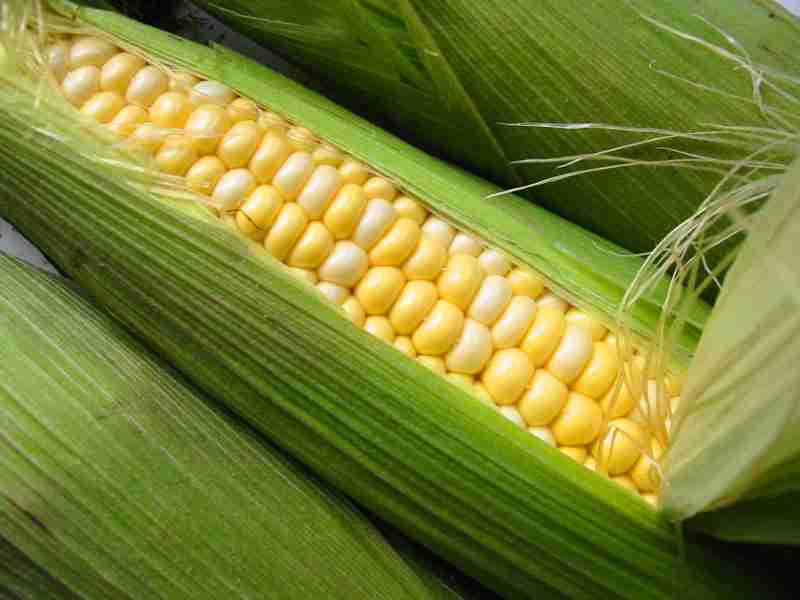
The Journey of Sweet Corn: From Farm to Fork
The exploration of sweet corn’s journey showcases a meticulous process that begins at the farm and concludes at our dining tables. As corn seedlings emerge, farmers nurture them with careful attention to soil health, moisture, and sunlight. This vibrant crop, often seen swaying gently in the fields, benefits from the harmony of natural elements and sustainable farming practices. Once harvested, sweet corn undergoes a swift transformation as it is quickly cooled and prepared for processing, ensuring that it retains its natural sweetness and nutrient content. This speed is crucial in maintaining freshness, as the clock starts ticking the moment corn leaves the husk.
Processing facilities are the next stop for sweet corn, where technology and craftsmanship work hand in hand. Here, the corn may be canned, frozen, or packaged for distribution, adhering to strict quality standards. The following steps highlight the key stages in this transformative journey:
- Cleaning: Removing husks, silk, and any impurities.
- Blanching: Briefly boiling to preserve color and flavor.
- Cooling: Rapidly lowering temperature to stop cooking.
- Packing: Sealing to lock in freshness for consumers.
Once processed, sweet corn is ready to make its way into kitchens across the globe. The widespread versatility of this ingredient is demonstrated in countless recipes, from classic corn on the cob to gourmet dishes. In restaurants and homes alike, sweet corn’s journey is celebrated—not just as a food, but as a testament to the hard work of farmers and processors dedicated to bringing this golden delight to our tables.
Navigating the Harvest: Best Practices for Optimal Yield
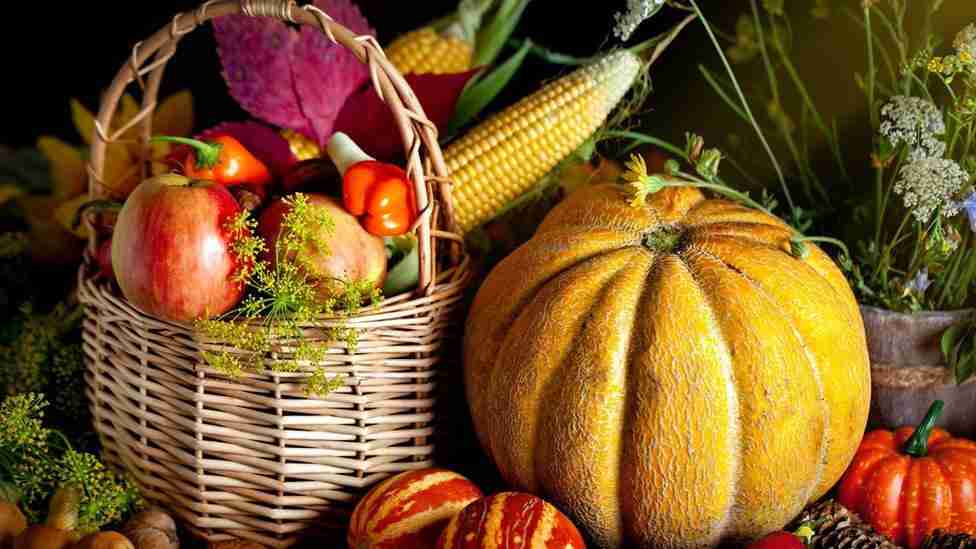
To achieve the highest quality corn yield, it is essential to adopt a series of strategic practices during the harvest period. Start by ensuring that the timing of your harvest aligns with optimal moisture levels in the kernels; harvesting too early or too late can significantly affect both yield and quality. Consider incorporating the following techniques:
- Monitor Weather Patterns: Stay updated with forecasts to avoid harvesting during adverse weather, which can damage crops.
- Utilize Proper Equipment: Use well-maintained machinery to reduce kernel damage and improve efficiency.
- Adjust Settings: Tailor combine settings to match the specific moisture and grain conditions to minimize losses.
After the corn is harvested, prompt drying and proper storage become crucial for preserving the crop’s integrity. By employing the correct post-harvest handling techniques, you can maintain quality from the field to the table:
- Drying Techniques: Utilize natural methods or mechanical dryers to achieve the ideal moisture content.
- Storage Solutions: Ensure that storage facilities are clean, well-ventilated, and free from pests to prevent spoilage.
- Regular Monitoring: Conduct routine checks on stored grain conditions to detect and address potential issues early.
Transforming Maize: Techniques in Processing and Preservation
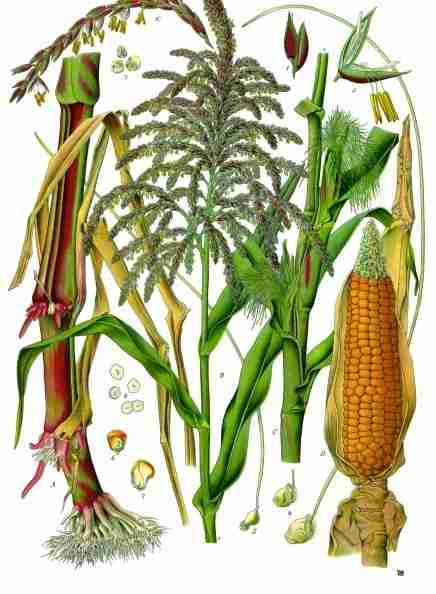
Transforming maize into a versatile food source involves various innovative techniques that enhance its flavors while preserving its nutritional value. The processing stages often include drying, grinding, and cooking, each contributing a unique character to the final product. By harnessing methods such as steeping and nixtamalization, the corn is not only softened but also enriched with essential nutrients that are vital for health. These traditional techniques are paired with modern advancements, ensuring that maize retains its properties even when it’s processed into fine flour or polenta.
Once processed, the focus shifts to preservation, which plays a crucial role in maintaining the quality of maize products. Techniques like canning, freezing, and dehydrating are commonly employed to extend shelf life and lock in freshness. Here’s a quick overview of some popular preservation methods:
| Method | Description | Benefits |
|---|---|---|
| Fermentation | Converts sugars into alcohol and acids | Enhances flavor, increases shelf life |
| Pickling | Preserves in acidic solution | Adds tangy flavor, extends longevity |
| Vacuum Sealing | Removes air to prevent oxidation | Prevents spoilage, retains freshness |
These preservation methods not only ensure that maize products can be enjoyed year-round, but they also transform the way we perceive the corn. From sweet corn on the cob enjoyed at summer barbecues to robust cornmeal that forms the foundation for countless dishes, the journey of maize from field to table is a testament to the creativity and ingenuity of food processing techniques. Each step is a celebration of agricultural heritage and modern innovation, seamlessly coming together to enrich our culinary experiences.
Culinary Corn: Innovative Recipes to Elevate Your Dishes
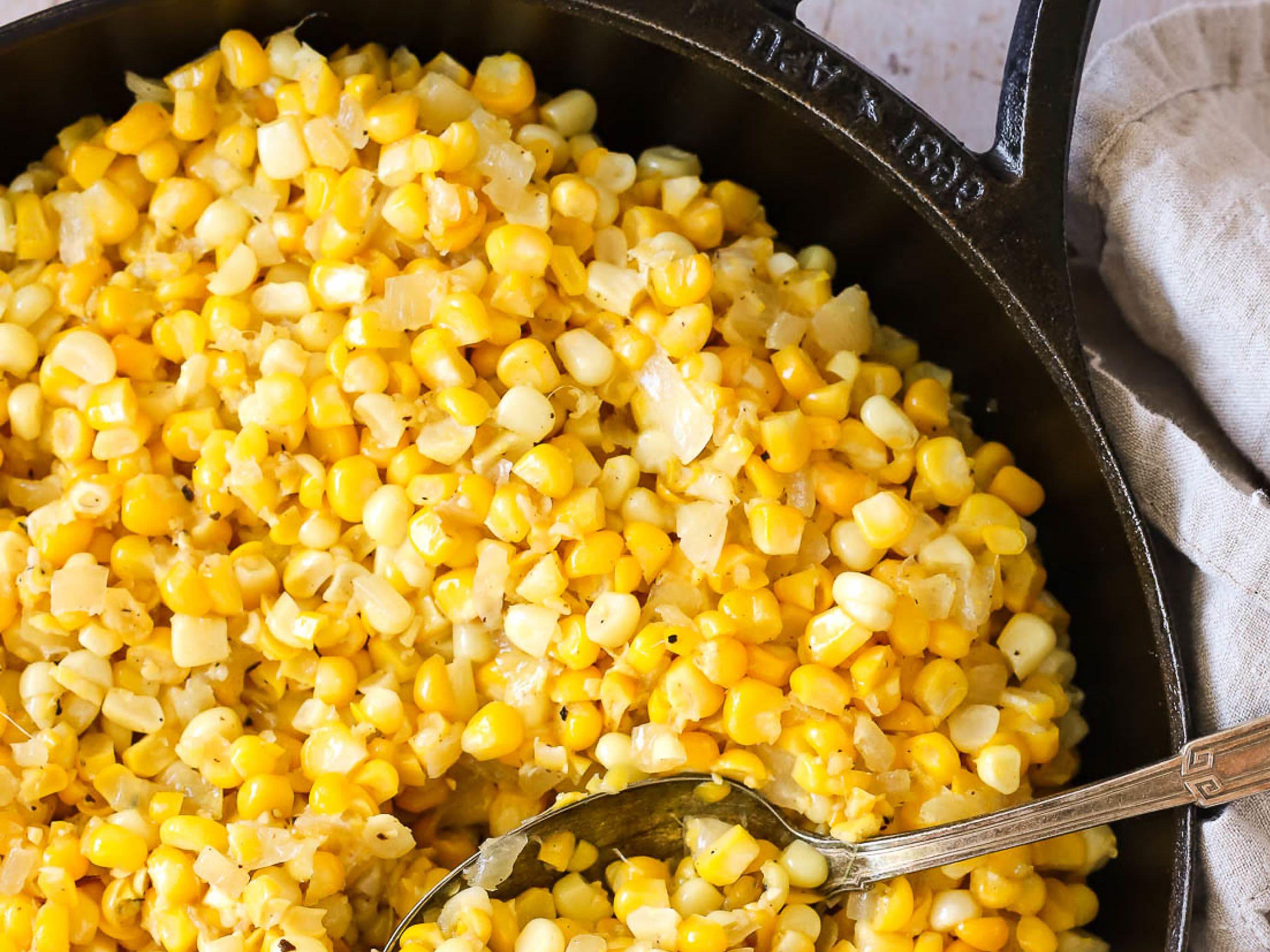
When it comes to incorporating corn into your culinary repertoire, think beyond the traditional corn on the cob. Creative recipes can transform humble corn into a star ingredient that dazzles the palate. For instance, consider making sweet corn fritters: combine fresh corn kernels with finely chopped green onions, a hint of chili, and a sprinkle of cheese, then pan-fry until golden. Alternatively, elevate your salads by incorporating grilled corn salsa, where charred kernels are mixed with ripe tomatoes, red onion, and zesty lime for a refreshing side that pairs beautifully with grilled meats. Explore the many ways you can utilize this versatile grain; you’re bound to find a few surprises along the way!
Don’t overlook the potential of corn flour, which can be used to create light and fluffy cornmeal pancakes. These can serve as a delightful breakfast treat topped with seasonal fruits and pure maple syrup. For a savory option, whip up a corn and cheese-stuffed poblano pepper covered with a tangy tomato sauce. If you’re feeling adventurous, try your hand at making corn-based desserts like sweet corn ice cream or corn pudding, both of which highlight the ingredient’s natural sweetness. With corn, the possibilities are endless, and its ability to complement a diverse range of cuisines allows you to experiment freely in the kitchen.
| Recipe | Main Ingredients |
|---|---|
| Sweet Corn Fritters | Corn, Green Onions, Chili, Cheese |
| Grilled Corn Salsa | Grilled Corn, Tomatoes, Red Onion, Lime |
| Cornmeal Pancakes | Corn Flour, Eggs, Milk, Baking Powder |
| Corn-Stuffed Poblano | Poblano Peppers, Cheese, Tomato Sauce |
| Corn Pudding | Corn, Milk, Sugar, Eggs |
Key Takeaways
As we draw the curtain on our exploration of corn processing, it’s clear that this vibrant grain carries more than just nutritional value; it embodies a journey from sun-kissed fields to our dinner tables. Each step in this intricate process reveals the artistry and science that transforms raw kernels into a myriad of products that enrich our diets and culinary experiences.
Understanding the secrets behind corn processing not only deepens our appreciation for the food we consume but also highlights the dedicated individuals and innovative technologies that work harmoniously to deliver it. Whether it’s the sweet corn enjoyed on summer days, the versatile cornmeal in comfort foods, or the corn syrup found in countless snacks, each bite tells a story grounded in tradition and modernity.
So, the next time you savor a dish featuring corn, remember that you’re enjoying the culmination of nature’s bounty and human ingenuity. From the field to the table, corn processing is a testament to the incredible journey of food, inviting us all to savor not just the flavors, but the rich tapestry of history and labor that brings it to life. With every kernel, we unlock a little more of the secrets that connect us to our past and inspire our future.




