
Unlocking the Secrets of Corn Processing: From Field to Factory
In the heart of America’s agricultural landscape, corn stands tall, a golden testament to nature’s bounty and human ingenuity. From the rolling fields that stretch across the Midwest to the bustling factories where transformation occurs, corn is more than just a staple crop; it’s a versatile ingredient that fuels our economy and our everyday lives. Yet, beneath the surface of this seemingly straightforward grain lies a complex and fascinating journey—one filled with innovation, sustainability, and untold stories. As we delve into the intricate process of corn processing, we will explore the stages of its life cycle, uncover the technologies that redefine its uses, and highlight the environmental considerations that accompany its transformation. Join us as we unlock the secrets of corn processing, revealing how this humble plant journeys from field to factory to become a cornerstone of countless products we often take for granted.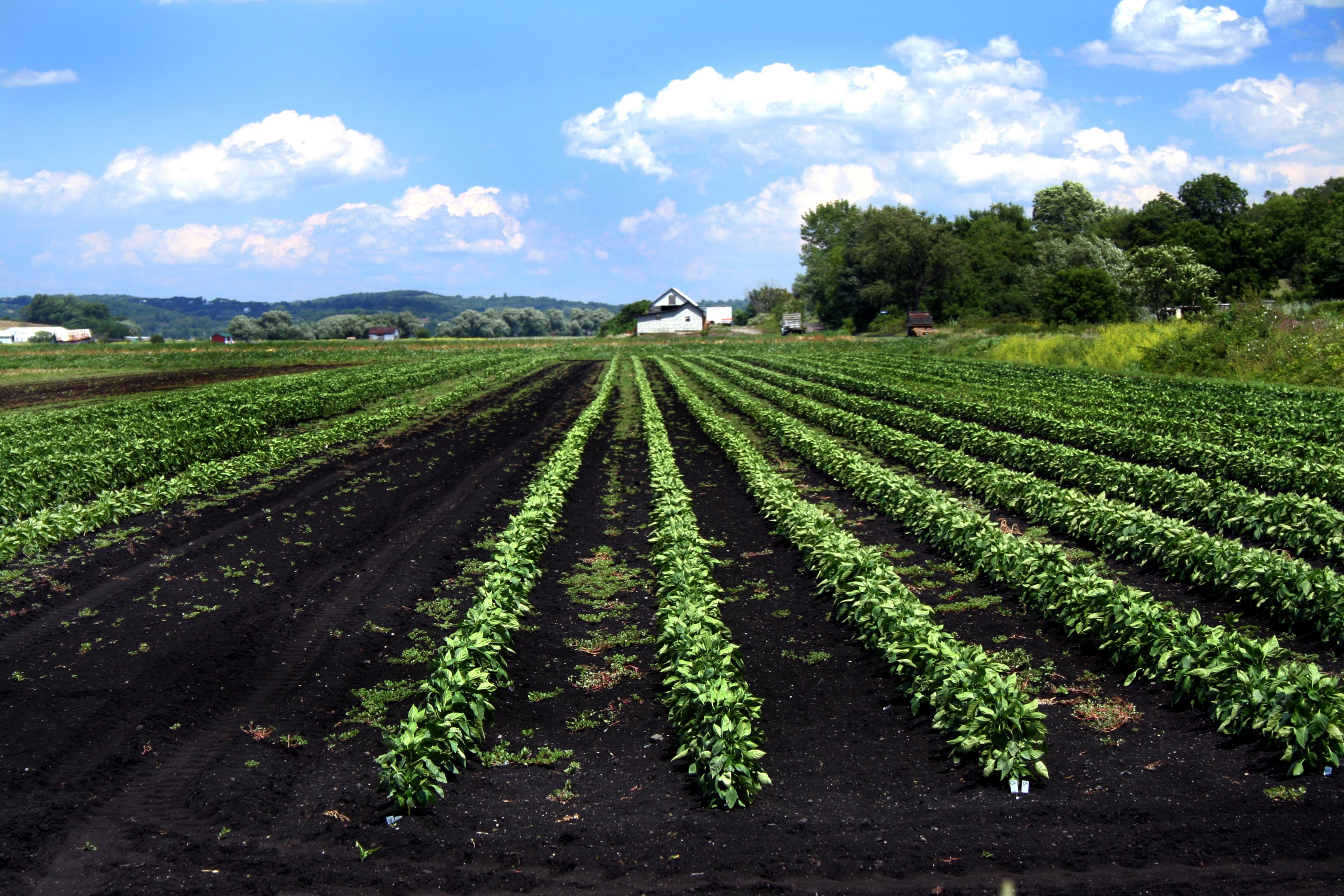
Understanding the Agricultural Journey of Corn from Crop to Harvest
The journey of corn from the lush green fields to the bustling factory floor is a fascinating process that intricately weaves together nature and human ingenuity. It begins with the careful selection of seeds, which are planted in rich, well-drained soil during the optimal growing season. Farmers monitor weather conditions, water supply, and nutrient levels to ensure that the corn plants have everything they need to thrive. As the plants grow, they undergo various stages, including pollination, which is crucial for producing the kernels we so commonly enjoy. Additionally, pests and weeds must be managed through sustainable practices to guarantee a bountiful yield come harvest time.
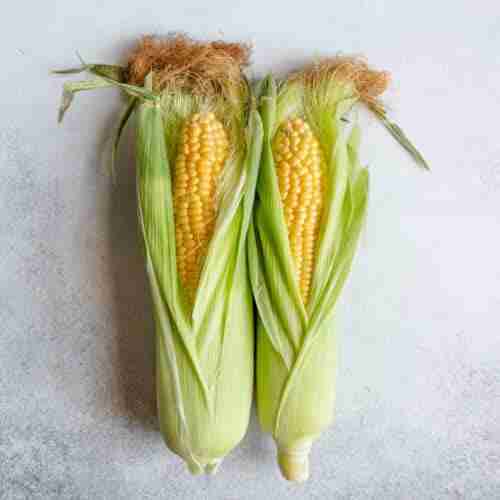
Once the corn reaches maturity, it’s time for harvest, which requires a delicate balance of timing and technique. Harvesting typically occurs in late summer to early fall when the kernels are at their peak sweetness and moisture content. After the corn is picked, it is sent to processing facilities, where it undergoes a series of evaluations and treatments to separate the kernels from the cobs and husks. The processed corn can then be transformed into a variety of products, ranging from corn syrup to animal feed. Here’s a brief overview of some key products derived from corn:
| Product | Usage |
|---|---|
| Corn Syrup | Sweetener in foods |
| Corn Starch | Thickening agent |
| Ethanol | Biofuel |
| Animal Feed | Nutritive feed for livestock |
Exploring Advanced Techniques in Corn Processing Technologies
In the realm of corn processing technologies, innovative methods have emerged that revolutionize how we transform this staple crop into valuable products. Advanced extrusion techniques have gained prominence, allowing for the efficient production of corn-based snacks and cereals. This process not only enhances the texture and flavor profile of the end products but also maximizes nutrient retention. Another breakthrough involves the application of enzymatic treatments, which facilitate the conversion of corn starch into high-fructose corn syrup, a key ingredient used in a myriad of food applications. By harnessing these sophisticated technologies, manufacturers can significantly improve yield and reduce waste, paving the way for more sustainable practices in the industry.
Furthermore, the use of biotechnology has emerged as a cornerstone in modern corn processing. Genetic modification has led to the development of corn varieties that resist pests and withstand harsh environmental conditions, thereby increasing productivity and ensuring a reliable supply chain. Additionally, advancements in fermentation processes have opened the door to creating biofuels and bioplastics from corn, further showcasing the versatility of this crop. As the food and bioeconomy landscapes evolve, ongoing research and development will likely yield even more cutting-edge technologies, ultimately enhancing the efficiency and sustainability of corn processing.
Maximizing Efficiency in Factory Operations for Enhanced Product Quality
In the quest for superior product quality, optimizing factory operations becomes paramount. Streamlined processes are instrumental in reducing waste and ensuring that only the highest-grade corn is transformed into various products. Implementing cutting-edge technologies, such as automation and real-time data analytics, allows factories to monitor performance metrics with precision. Benefits of these innovations include:
- Reduced downtime: Predictive maintenance identifies potential failures before they disrupt production.
- Enhanced training: Continuous learning modules keep employees updated on best practices.
- Integrated supply chains: Seamless collaboration between suppliers and factories ensures timely delivery of quality corn.
To navigate the complexities of corn processing, the application of lean manufacturing principles serves as a cornerstone. By focusing on value creation and waste elimination, factories can improve their operational efficiency significantly. For instance, implementing a systematic review of production processes can highlight inefficiencies, while a commitment to quality control ensures that end products consistently meet or exceed standards. Consider the following table that showcases key focus areas for maximizing efficiency:
| Focus Area | Strategy | Expected Outcome |
|---|---|---|
| Process Optimization | Map workflows and eliminate bottlenecks | Faster production cycles |
| Employee Engagement | Involve staff in decision-making | Higher productivity and morale |
| Quality Audits | Regular inspections at every stage | Consistent product quality |

Sustainable Practices in Corn Processing: Environmental and Economic Benefits
In recent years, the corn processing industry has made significant strides toward adopting sustainable practices that benefit both the environment and the economy. Reducing waste is a primary focus, with processors implementing systems to convert by-products into valuable resources. For instance, corn husks, pulp, and cobs can be repurposed as animal feed, biofuel, or even biodegradable packaging materials. This approach not only minimizes landfill contributions but also creates additional revenue streams, enhancing overall profitability. The integration of renewable energy sources, such as solar and wind, further supports eco-friendly operations, thus decreasing reliance on fossil fuels and aligning with global sustainability goals.
Moreover, efficient water management techniques are essential in corn processing facilities, especially in regions prone to drought. Innovative technologies, including closed-loop water systems and recycling methods, can drastically lower water usage. This not only preserves vital natural resources but also reduces operational costs, making the industry more resilient to fluctuations in water supply. Many processors are also investing in agroforestry practices that help sequester carbon, improve soil health, and enhance biodiversity on farmland. As these sustainable practices take root, they create a ripple effect, promoting a healthier planet while ensuring economic viability for farmers and processors alike.
| Sustainable Practices | Environmental Benefits | Economic Benefits |
|---|---|---|
| Waste Utilization | Reduces landfill waste and promotes resource circularity | Creates new products and revenue streams |
| Renewable Energy | Decreases carbon footprint and reliance on fossil fuels | Lowers energy costs and enhances profitability |
| Water Management | Conserves water resources and protects local ecosystems | Reduces operational costs and promotes sustainability |
| Agroforestry | Encourages biodiversity and improves soil health | Enhances crop yields and long-term food security |
The Conclusion
As we draw the curtain on our exploration of corn processing, it becomes clear that this humble grain is far more than just a staple in our diets. From the golden fields that sway under the sun to the bustling factories where innovative techniques transform corn into various products, every step of this journey reveals a world of complexity and ingenuity. Understanding the intricate processes involved not only deepens our appreciation for the food we consume but also highlights the importance of sustainable practices that safeguard our agricultural future.
Whether you’re a farmer, a food industry professional, or simply a curious reader, the secrets of corn processing serve as a reminder of the vital link between our resources and our tables. As we continue to innovate and adapt, let us remain mindful of the journey that each kernel takes, ensuring that we honor the legacy of corn, a crop that has been integral to human civilization for centuries. So, the next time you enjoy a corn-based product, take a moment to reflect on the remarkable transformation that has brought it from field to factory, enriching both our lives and our palates.




