In the bustling aisles of supermarkets, the shining boxes of cereal stand as colorful icons of morning routines, beckoning us with promises of convenience and taste. But beyond the cheerful packaging and enticing flavors lies a fascinating journey that begins in sprawling fields and concludes in our kitchen bowls. “Unlocking the secrets of Cereal Processing: From Grain to Bowl” invites you to delve into the intricate world of cereal production, where science and artistry unite to transform humble grains into beloved breakfast staples. Join us as we explore the journey of grains, the technology behind processing, and the craftsmanship involved in bringing these crunchy morsels to life. From the selection of seeds to the final touches of flavoring, this article uncovers the hidden complexities and innovations that make your favorite breakfast cereals not just a meal but a marvel of modern food science.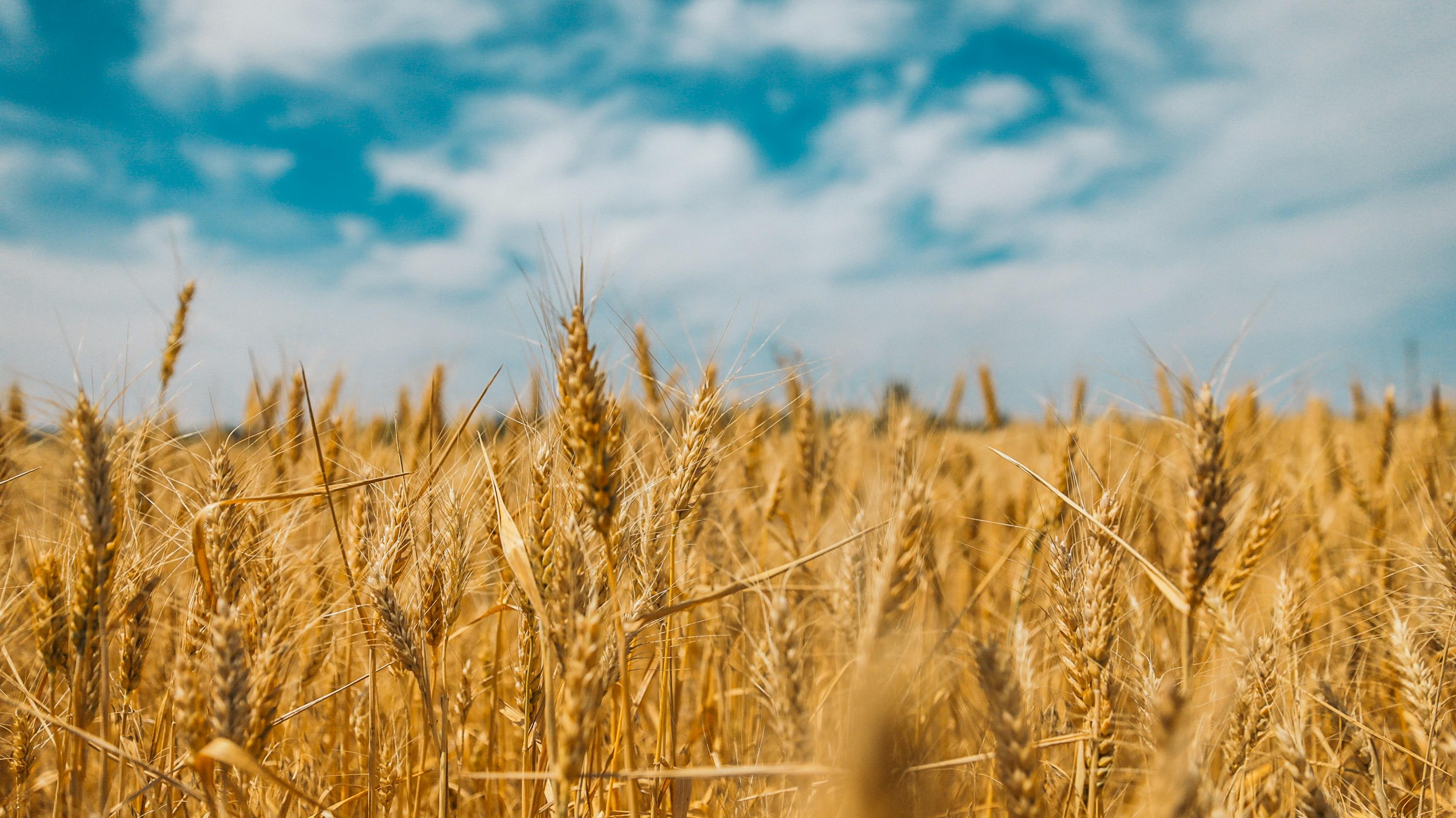
Exploring the Journey of Grains: From Farm Fields to Processing Plants
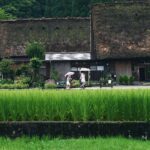
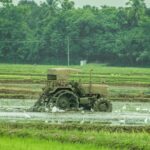
The journey of grains begins in the rich embrace of fertile farm fields, where diligent farmers meticulously sow seeds into the earth, nurturing them with care. This initial stage is pivotal, as various factors such as soil quality, weather conditions, and enduring practices greatly influence the grains’ attributes. Grains such as wheat, corn, barley, and rice each have their unique requirements and thrive in specific conditions, resulting in diverse flavors and nutritional profiles. Once harvested, these grains are subject to a rigorous selection process, ensuring that only the finest reach processing facilities.
In processing plants, technology and tradition intertwine harmoniously to transform harvested grains into the versatile products we find in stores. Here, grains undergo several essential transformations, including:
- Cleaning: Removing impurities and foreign materials.
- Milling: Grinding grains into flours or meals
- Toasting: Enhancing flavors and aromas.
- Fortification: Adding vitamins and minerals for nutritional enhancement.
The final step is packaging, where careful consideration ensures that the grains retain their freshness and nutritional value until they reach our tables. Below is a simplified overview of the processing stages that grains undergo, highlighting the meticulous care taken at each phase:
| Processing Stage | Description |
|---|---|
| Harvesting | Collecting mature grains from the fields. |
| Cleaning | Removing dirt,stones,and debris. |
| Milling | Grinding grains into desired particle sizes. |
| Packaging | sealing products to maintain quality. |

The Science Behind Milling: Transforming grains into Flours
Milling is a fascinating process that transforms humble grains into versatile flours used in various culinary creations. The journey begins with cleaning the grains, where impurities such as stones, dust, and other foreign materials are removed, ensuring high-quality flour. Next, the conditioning stage increases the moisture content, making the grains more pliable and easier to grind. This allows for an even and efficient milling process,ultimately leading to different types of flour based on the grain being processed. Grains are then subjected to grinding, where they are broken down into smaller particles using various types of milling machinery, such as roller mills, stone mills, or hammer mills.Each milling technique produces distinct textures and flavors, catering to the specific needs of bakers and chefs alike.
Once the grains are ground, the resulting flour undergoes sifting to separate finer particles from coarser ones. This fine-tuning step is essential as it determines the flour’s quality and consistency. As an inevitable result, flours can be categorized into different grades, each suited for particular recipes. The table below highlights the primary types of flour obtained from milling grains and their common uses:
| Type of Flour | Grain Source | Common Uses |
|---|---|---|
| All-Purpose Flour | Wheat | Baking, thickening, and cooking |
| Whole Wheat Flour | Wheat | Breads and muffins |
| Rye Flour | Rye | Dense breads and pastries |
| Rice flour | Rice | Gluten-free baking and Asian dishes |
In addition to the type of grain and milling technique, factors such as environmental conditions, grain variety, and processing methods all influence the final flour characteristics. By understanding the science behind these processes, bakers can select the ideal flour to achieve desired textures, flavors, and nutritional profiles in their creations. This intricate relationship between grain and flour exemplifies how science and culinary artistry intertwine, creating endless possibilities in the kitchen.

Mastering Conditioning and Cooking: Key Steps in cereal Production
In the journey of transforming raw grains into delicious breakfast staples, mastering the conditioning and cooking phases is critical.Conditioning refers to the process of adjusting the moisture content of grains to enhance their pliability, thus preparing them for an efficient cooking phase. This involves the careful use of water and heat, allowing for optimal grain expansion and texture. Key elements of conditioning include:
- Moisture Control: Achieving a precise moisture level is vital to ensure uniform cooking.
- Heat Application: Utilizing steam or hot air can facilitate the proper absorption of moisture.
- Resting Periods: Allowing grains to rest post-conditioning can improve their structure.
Following conditioning, the cooking process transforms the conditioned grains into ready-to-eat products. This step can be modified depending on the desired final product,ranging from crispy flakes to soft porridge. Stages to consider during cooking encompass:
- Temperature Regulation: Maintaining appropriate heat ensures even cooking without burning.
- Cook Times: Each grain variant requires specific cooking durations for optimal results.
- Flavoring and Fortification: This is when flavors and nutrients can be added for enhanced taste and nutrition.
To illustrate the differences among common cereal types and their cooking processes, here’s a concise comparison:
| Cereal Type | Cooking Time (Minutes) | Moisture content (%) |
|---|---|---|
| Oats | 5 | 11-12 |
| Rice | 20 | 10-12 |
| Barley | 30 | 10-12 |

Enhancing Nutritional Value: Fortification and Flavoring Strategies
In today’s fast-paced world, bridging the gap between nutrition and taste is paramount. Fortification involves enriching cereal products with essential vitamins and minerals to enhance their health benefits, providing consumers with added nutritional value without compromising flavor. Common fortifying agents include:
- Iron: Essential for blood health, often added to combat anemia.
- Calcium: Vital for strong bones, notably in products targeting families and children.
- B Vitamins: Crucial for energy metabolism, these are increasingly popular in breakfast options.
Additionally, flavoring strategies play a critical role in making fortified cereals appealing. Natural flavorings like fruit extracts, spices, and even herbs can be used to elevate taste while keeping nutrition a priority. By integrating these strategies, manufacturers create cereals that not only resonate with health-conscious consumers but also entice the palate. A well-executed flavor profile can achieve this dual purpose by:
- Reducing added sugars: Using natural sweetness from fruits instead.
- Incorporating diverse textures: Adding crunchy nuts or crispy grains.
- Highlighting seasonal flavors: such as pumpkin spice in fall or berry blends in summer.
To Conclude
As we reach the end of our journey through the fascinating world of cereal processing, we hope you have gained a deeper recognition for the meticulous steps that transform humble grains into the breakfast staples we cherish. From the intricate dance of harvesting to the precise engineering involved in flaking and puffing,each stage plays a vital role in creating the final product that fills our bowls each morning.
Understanding this complex process not only enhances our knowledge of nutrition but also connects us to the rich agricultural traditions and innovative technologies that shape our food systems.So, the next time you pour those golden flakes or colorful puffs into your bowl, take a moment to reflect on the journey they’ve taken, from field to factory, before gracing your table.
Thank you for exploring the secrets behind cereal processing with us. As we continue to seek and share knowledge about our food, let’s savor each bite, mindful of the intricate process that brings it to life. Here’s to many more delightful mornings ahead!