
In the realm of food production, few processes are as fascinating yet underappreciated as cereal processing. From the golden fields swaying under the sun to the cheerful breakfast bowls filling our tables, the journey of cereal grains is a complex tapestry woven with science, tradition, and innovation. As we take a closer look at this integral aspect of our food system, we will explore the meticulous steps involved in transforming raw grains into the crispy flakes and puffs that have become staples in our diets. This article aims to unlock the secrets of cereal processing, providing a detailed overview that highlights the intricate techniques, state-of-the-art technologies, and thoughtful practices that ensure each bite is not only delicious but also nutritious. Join us as we delve into the fascinating world of cereal production, where every grain holds a story waiting to be told.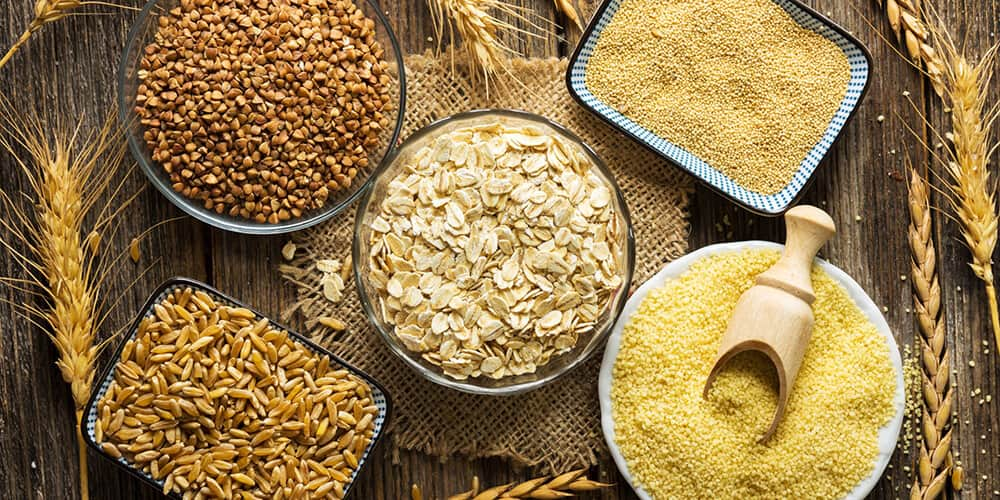
Understanding the Basics of Cereal Grain Properties and Processing Techniques
Cereal grains are a cornerstone of human nutrition and culinary traditions across the globe. Understanding their properties begins with a closer look at their composition. The main components include carbohydrates, proteins, fats, vitamins, and minerals, each playing a unique role in the grain’s overall characteristics. For instance, the percentage of starch can affect the grain’s cooking properties and its suitability for specific recipes. Additionally, the hull and bran levels influence the grain’s fiber content, while the endosperm is primarily responsible for the grain’s energy provision. Different grains, whether it be wheat, rice, or oats, showcase varying attributes such as flavor, texture, and nutritional profile, essential for selecting the right type of grain for any culinary application.
The processing techniques employed in transforming raw cereal grains into consumable products are equally crucial and vary significantly depending on the grain type and desired end use. Common methods include milling, toasting, and flaking, each altering the grain’s structure and enhancing its properties. For example, milling can produce various flour consistencies—from coarse to fine—while toasting can impart a unique flavor profile and improve shelf-life. Here’s a quick look at some key processing techniques and their benefits:
| Processing Technique | Description | Benefits |
|---|---|---|
| Steaming | Applying steam to cook the grain temporarily. | Enhances flavor and softens texture. |
| Flaking | Flattening grains under high pressure. | Shortens cooking time and increases digestibility. |
| Milling | Grinding grains to produce flour or meal. | Provides various textures for diverse culinary uses. |

Examining the Role of Temperature and Moisture Control in Cereal Production
In the intricate world of cereal production, the interplay between temperature and moisture holds paramount importance in determining the quality and yield of the final product. Optimal temperature control is crucial, as it influences enzymatic activities and starch gelatinization, directly affecting the texture and flavor profile of cereals. Maintaining appropriate temperatures during processing can help in achieving desired characteristics such as crunchiness and shelf life. Conversely, excessive heat can lead to undesirable browning reactions, while inadequate temperatures may result in undercooked grains, compromising taste and usability.
Moisture content is also a critical factor that cannot be overlooked. The stability of cereals often hinges on maintaining specific moisture levels to prevent spoilage and deterioration. It is essential to implement effective moisture regulation techniques throughout the cereal processing cycle. Not only does this safeguard against microbial growth, but it also preserves the nutritional integrity of the grains. Here’s a brief overview of the effects of moisture and temperature:
| Factor | Optimal Range | Effects of Imbalance |
|---|---|---|
| Temperature | 50 – 70°C | Overcooking and flavor loss, or undercooked texture |
| Moisture | 12 – 14% | Microbial growth and nutrient loss |
By meticulously managing these temperature and moisture parameters, producers can elevate their cereal processing techniques, ultimately leading to a superior quality product that meets market demands and consumer expectations. In a landscape where consumer preferences are shifting towards healthier options, the success of cereal production lies in the precision of how these two elements are controlled and optimized throughout the production process.

Innovations in Cereal Processing: Technology That Enhances Quality and Efficiency
The landscape of cereal processing is rapidly evolving, driven by advancements in technology that significantly improve both product quality and operational efficiency. One of the groundbreaking innovations is high-temperature, short-time (HTST) treatment, which intensifies the nutritional value while minimizing cooking time. This method not only preserves the natural flavors and colors of cereals but also provides enhanced shelf life, making it ideal for both consumers and manufacturers looking for sustainability. Furthermore, extrusion technology has revolutionized the production of cereal-based snacks, allowing for variations in texture and density, tailored to meet consumer preferences worldwide.
Additionally, the integration of automation and smart processing technologies has streamlined operations across processing plants. Automated systems facilitate precision in measurement and mixing, ensuring consistent product quality. The implementation of real-time monitoring and data analytics also allows processors to maintain optimal conditions, reducing waste and enhancing throughput. These advancements are complemented by the introduction of environmentally friendly practices, such as water recycling and energy-efficient machinery, which align with the sustainability goals of modern food production techniques.
| Innovation | Key Benefits |
|---|---|
| High-Temperature, Short-Time (HTST) Treatment |
|
| Extrusion Technology |
|
| Automation & Smart Processing |
|

Best Practices for Ensuring Food Safety and Nutrition in Processed Cereals
Ensuring the safety and nutritional quality of processed cereals is paramount in the food industry. This involves not only adhering to stringent hygiene standards but also carefully monitoring the various stages of processing. Key practices include maintaining strict cleaning protocols throughout production, which are vital to prevent contamination. Furthermore, sourcing high-quality raw ingredients is essential; this can involve collaborating with trusted suppliers who follow rigorous safety measures. Regular audits and inspections should be implemented to confirm compliance with food safety regulations, alongside thorough employee training to promote a culture of safety and awareness.
In addition to safety, nutrition should also be a focal point in cereal processing. Manufacturers can enhance the nutritional profile of their products by incorporating ingredients that are rich in essential vitamins and minerals. For example, adding whole grains, seeds, nuts, or fortified elements can significantly boost their health benefits. Offering variety in product formulations is another best practice; this helps cater to diverse dietary needs and preferences. The following table summarizes some effective methods to enhance both safety and nutrition in processed cereals:
| Practice | Benefit |
|---|---|
| Regular Quality Checks | Identifies contaminants early |
| Use of Fortified Ingredients | Boosts overall nutritional value |
| Employee Training Workshops | Enhances awareness of safety protocols |
| Innovation in Formulations | Meets varied consumer preferences |
Concluding Remarks
As we draw the curtain on our exploration of cereal processing, it becomes clear that this seemingly mundane industry is anything but simple. From the meticulous selection of grains to the advanced techniques that transform them into the breakfast staples we cherish, each step is a testament to human ingenuity and technological advancement. The secrets of cereal processing, once hidden behind the polished boxes lining our grocery aisles, are now a tapestry of science and tradition, woven together to satisfy our nutritional needs and taste buds alike.
Understanding the intricate processes involved not only enhances our appreciation for these morning staples but also prompts us to consider the broader implications of food production and sustainability. As we move forward, the knowledge gained here invites us to question, learn, and engage with the food we consume each day.
the journey through cereal processing is a reminder of the delicate balance between innovation and nature. It’s a world that thrives on consistency yet continually adapts to the evolving preferences of consumers. So, the next time you pour a bowl of your favorite cereal, take a moment to savor not just the flavors, but the history and craftsmanship that lie within each crispy morsel. Happy munching!




