
Unlocking the Kernel: The Art and Science of Maize Milling
In the heart of agriculture lies a staple that has nourished civilizations for centuries: maize, or corn. This vibrant golden grain is more than just a food source; it is a keystone of culinary traditions, economies, and cultures worldwide. yet, before it graces our tables in the form of tortillas, polenta, or cornbread, maize undergoes a transformative journey through the intricate process of milling. Unlocking the kernel—the very essence of maize—requires not only technical finesse but also an understanding of the biological and mechanical intricacies involved. This article delves into the art and science of maize milling, exploring the methods, technologies, and expertise that convert raw kernels into finely processed flour and meal, while highlighting the vital role this process plays in global food systems. Join us as we uncover the secrets within each kernel and the meticulous craft that ensures this humble grain continues to feed the world.
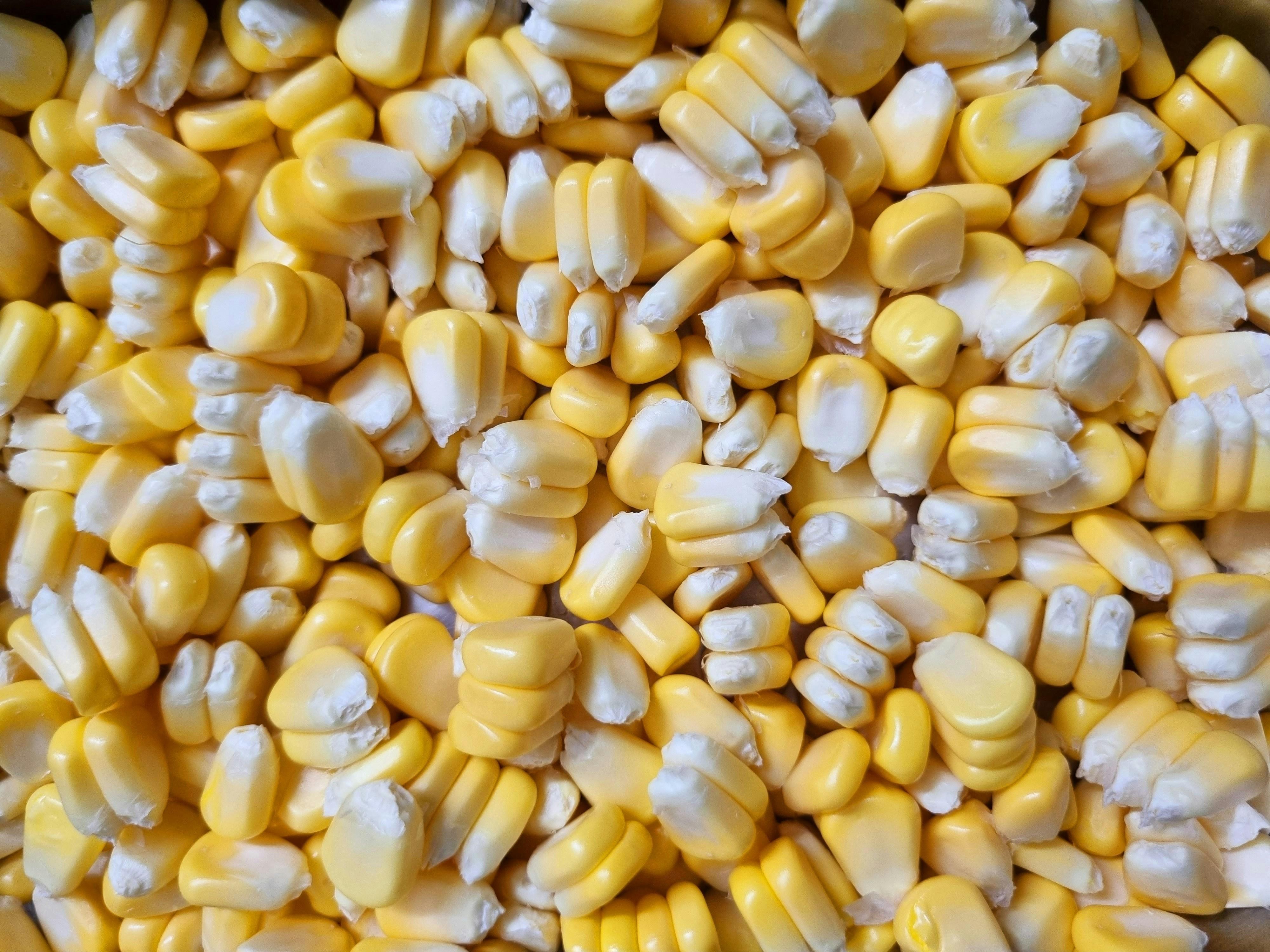
Exploring the Anatomy of Maize Kernels and Their Nutritional Secrets
The maize kernel, a marvel of nature, is a complex structure rich in nutritional value and culinary versatility. At its core, the kernel comprises three primary components: the endosperm, germ, and pericarp. Each part plays a vital role in both the growth of the maize plant and the health benefits it offers to humans. The endosperm, mainly composed of starch, serves as the energy reservoir for the developing plant, while the germ is the reproductive part that brings new life into existence. The pericarp, or outer layer, acts as a protective barrier, safeguarding the kernel’s contents from environmental damage and pests.Together, these components create a balance of nutrients that contribute considerably to the dietary needs of populations around the world.
Nutritionally,maize kernels are a powerhouse. They are primarily known for their carbohydrate content,but they also offer a range of essential nutrients that can boost overall well-being. When milled, maize can be transformed into various products, each retaining different nutritional profiles depending on the milling process. here are some of the key components found in maize kernels:
| Nutrient | Benefits |
|---|---|
| Fiber | Supports digestive health and aids in weight management. |
| Vitamins | Contains B vitamins like thiamin and niacin,essential for energy metabolism. |
| Minerals | Rich in magnesium, phosphorus, and iron, vital for bone health and energy production. |
| Antioxidants | Includes zeaxanthin and lutein, which promote eye health. |
By exploring the intricate design of maize kernels and their nutritional secrets, one can appreciate the craftsmanship involved in the art of milling. this understanding not only enhances the culinary experience but also emphasizes the importance of maize in global diets, promoting healthier choices and sustainable agricultural practices.

Mastering Milling Techniques: From Whole Grains to Fine Meal
Transforming maize from whole kernels into a fine meal is an age-old craft that harmonizes tradition with innovation. The milling process, weather utilizing ancient stones or modern roller mills, involves a careful orchestration of techniques that optimize the flavor and texture of the resulting flour.Key elements in mastering maize milling include:
- Selecting Quality Kernels: The foundation of good milling starts with high-quality maize. Choosing the right variety can influence the final flavor and nutritional value.
- Moisture Control: Adjusting the moisture content is crucial for achieving the desired fineness. Optimal moisture levels ensure a seamless milling process.
- Grinding Techniques: Different milling machines provide varying results.Stone milling offers a coarser texture that retains more nutrients, while roller mills produce a fine, uniform flour.
The intricacies of maize milling are further highlighted when we explore the resulting products. For example, whole grain maize flour is rich in fiber and flavor, while finely milled meals lend themselves to delicate baking. An exploration of milling yields can be seen in the following table:
| Product Type | Texture | Usage |
|---|---|---|
| Whole Grain Meal | Coarse | Polenta, Grits |
| Coarse Flour | Medium | Bread, Tortillas |
| Fine Flour | Fine | Cakes, Pastries |
As you delve deeper into the art of milling, remember that each decision—from kernel selection to grinding method—shapes the final product, offering unique textures and flavors that can elevate your culinary creations.

Innovative Equipment and Technology: Enhancing Efficiency and Quality
The world of maize milling has entered a new era, thanks to groundbreaking advancements in equipment and technology. Cutting-edge machinery is designed to optimize each step of the milling process, resulting in improved efficiency and a higher quality end product. By integrating automated systems and smart monitoring technologies, mill operators can achieve greater precision in milling and reduce waste. These innovations not only enhance productivity but also contribute to energy savings, ultimately lowering operational costs.
Here are some notable technologies that are reshaping the maize milling industry:
- Precision Grinders: These machines offer adjustable settings for consistency in flour texture.
- Digital Sensors: Equipped with real-time monitoring capabilities for optimal performance.
- Energy-Efficient Motors: Reduce energy consumption without compromising on output.
- Automated Cleaning Systems: Ensure hygienic practices and extend equipment lifespan.
Additionally, advanced data analytics enables millers to make informed decisions based on performance metrics, allowing for tailored adjustments to milling practices.
| Innovative Feature | Benefit |
|---|---|
| Smart Control Systems | Enhanced control over milling parameters |
| Remote Monitoring | Immediate troubleshooting and maintenance alerts |
| Automated Batch Processing | Reduced manual labor and increased throughput |
By embracing these innovations, the maize milling industry is poised to not only meet the demands of modern consumers but also ensure sustainability and quality in every kernel processed.

Sustainability in Maize Milling: Practices for a Greener Future
In the quest for a more sustainable future, maize milling is evolving to embrace practices that not only enhance productivity but also minimize environmental impact. By adopting innovative technologies and sustainable practices, mills can significantly reduce their carbon footprint and conserve precious resources. Some effective strategies include:
- Energy Efficiency: Implementing energy-efficient machinery and practices can drastically lower electricity consumption.
- Water Conservation: Utilizing water recycling systems ensures that water used in milling is treated and reused, reducing waste.
- Waste Management: Byproducts from maize milling, such as husks and bran, can be repurposed as animal feed or biofuel, promoting a circular economy.
moreover, the integration of renewable energy sources, such as solar panels or wind turbines, is reshaping the landscape of maize milling. This shift not only provides a long-term solution to energy needs but also reduces reliance on fossil fuels. Educational initiatives that promote sustainable practices among farmers and consumers alike are equally vital. Emphasizing the importance of sustainably sourced maize can create a strong demand for greener production, leading to:
- Increased Biodiversity: Encouraging organic farming methods and rotational cropping.
- Soil Health Improvement: Utilizing cover crops and reduced tillage to enhance soil quality.
- Community Engagement: Working with local farmers to foster a support network for sustainable agriculture.
To Wrap It Up
As we draw to a close on our exploration of “Unlocking the Kernel: The Art and Science of Maize Milling,” we find ourselves at the intersection of tradition and innovation. This ancient practice, once a laborious task borne of necessity, has evolved into a sophisticated process that is both an art form and a scientific endeavor. From the vibrant fields of yellow grains to the rhythmic hum of modern milling machines, the journey of maize is a testament to human ingenuity and cultural heritage.
Understanding the intricacies of maize milling not only deepens our appreciation for this staple food but also highlights the pivotal role it plays in global nutrition and economy. It’s here that centuries-old techniques meet cutting-edge technology, ensuring that every kernel is transformed into a versatile ingredient rich with potential.
As we continue to delve into the endless possibilities presented by maize, may we remember the craftsmanship that goes into each grain processed—an ongoing dance of skill, science, and sustainability. In unlocking the kernel,we unlock a world of flavor and nutrition,bridging the past with the future,and connecting people through the universal language of food. Here’s to the mills, the millers, and the enduring legacy of maize that nourishes us all.




