
Unlocking the Grain: Exploring the Art of Maize Milling
In the heart of countless cultures around the globe, maize stands as a towering symbol of sustenance and tradition. From vibrant fields swaying in the breeze to bustling markets where earth’s bounty is transformed into culinary delights, maize is more than just a crop; it is a cornerstone of life. Yet, the journey from cob to kernel is often overlooked, veiled in the intricate dance of maize milling—an age-old craft that combines science, technique, and artistry. In this exploration, we delve into the world of maize milling, uncovering its rich history, innovative practices, and the pivotal role it plays in shaping our food systems. Join us as we unlock the grain, revealing the nuances and expertise behind this essential process that nourishes millions and connects us to our agricultural roots.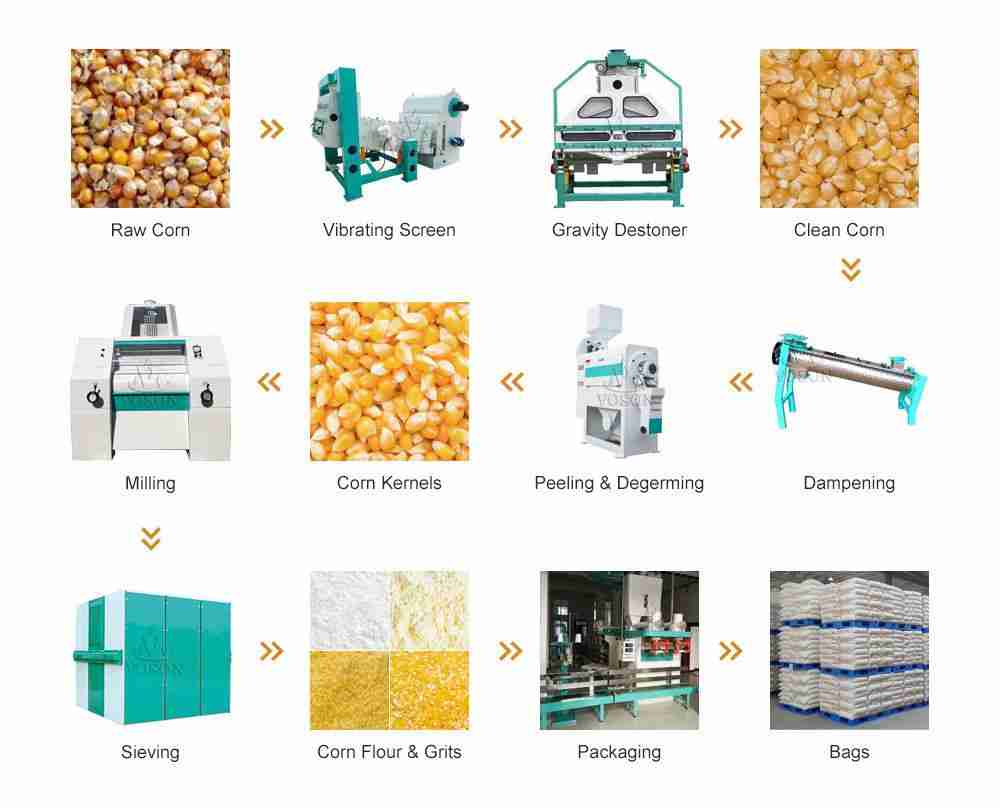
Understanding the Maize Milling Process from Cob to Flour
The maize milling process is an intricate journey from cob to flour, showcasing the duality of nature and technology. First, it begins in the fields, where ripe maize (corn) cobs are harvested, each packed with essential nutrients and flavor. The subsequent steps involve:
- Drying: Removing excess moisture to preserve quality.
- Shelling: Extracting kernels from the cob.
- Cleaning: Eliminating impurities and foreign materials.
- Grading: Sorting kernels based on size and quality.
Once the maize kernels are clean, the milling process can commence. This stage includes grinding the kernels into flour, utilizing a variety of milling techniques. The methods vary from traditional stone mills to modern roller mills, each offering distinct textures and flavor profiles. In order to understand the differences, consider the following table highlighting key milling techniques:
| Milling Technique | Description | Resulting Flour Type |
|---|---|---|
| Stone Milling | Involves grinding kernels between two stones. | Coarse, whole grain flour. |
| Roller Milling | Employs steel rollers to crush and refine flour. | Fine, white flour. |
| Impact Milling | Utilizes high-speed blades to pulverize kernels. | Ultra-fine flour. |
After milling, the flour undergoes further processing, where it might be sifted and fortified to enhance nutritional value. This milling journey transforms humble cobs into versatile flour, ready for culinary creations from cornbread to tortillas, reflecting diverse cultural traditions and gastronomic innovation.

Essential Equipment for Efficient and Sustainable Milling
To achieve efficient and sustainable maize milling, investing in the right equipment is paramount. A well-structured milling setup not only boosts productivity but also minimizes waste and energy consumption. Essential components include:
- Milling Machines: High-capacity roller mills or hammer mills designed for maize provide uniform particle size while preserving the grain’s nutritional value.
- Cleaning Equipment: Prior to milling, a robust grain cleaner ensures the removal of impurities such as stones, dust, and husks.
- Airflow Systems: Proper ventilation systems help maintain appropriate temperatures during processing, reducing the risk of spoilage.
- Storage Solutions: Optimized silos or bins with humidity control contribute to the quality preservation of raw materials.
Moreover, incorporating renewable energy sources can significantly reduce operational costs. Many modern milling facilities are now equipped with systems that harness solar or wind energy, making them less reliant on conventional power sources. A comparison of traditional vs. modern milling setups illustrates this transformation:
| Aspect | Traditional Milling | Modern Milling |
|---|---|---|
| Energy Source | Grid Electricity | Solar/Wind + Grid |
| Waste Management | Minimal Recycling | Closed-loop Systems |
| Output Quality | Variable | Consistent and Controlled |
Nutritional Benefits and Culinary Uses of Maize Flour
Maize flour, derived from finely ground corn, is a nutritional powerhouse packed with vital nutrients. It offers an impressive array of essential vitamins and minerals, making it a valuable addition to any diet. Some of the key benefits include:
- Rich Source of Carbohydrates: Provides energy for daily activities.
- High in Fiber: Supports digestive health and regularity.
- Contains Antioxidants: Helps combat free radicals in the body.
- Gluten-Free: A suitable option for those with gluten sensitivities.
In culinary applications, maize flour is extraordinarily versatile, serving as a cornerstone in various cuisines worldwide. It is commonly used in the preparation of traditional dishes such as tortillas, polenta, and cornbread. Its unique flavor adds a distinct sweetness and texture, making it suitable for a myriad of recipes, including:
- Baking: Substitute maize flour for wheat flour in baked goods for a nutritious twist.
- Thickening Agent: Use maize flour to thicken soups and sauces.
- Pasta Alternative: Experiment with maize flour in homemade pasta for a unique flavor profile.
In addition to its nutritional and culinary benefits, maize flour can be compared with other flour options in terms of basic macronutrients, as shown in the table below:
| Flour Type | Calories (per 100g) | Carbohydrates (g) | Protein (g) | Fiber (g) |
|---|---|---|---|---|
| Maize Flour | 365 | 73 | 9 | 7 |
| Wheat Flour | 364 | 76 | 10 | 2.7 |
| Brown Rice Flour | 363 | 76 | 7.5 | 3.5 |
Best Practices for Maintaining Quality and Freshness in Maize Products
Ensuring the quality and freshness of maize products starts with selecting the right kernels. When sourcing, look for plump, evenly colored grains without any visible signs of mold or damage. Additionally, consider the moisture content; it should ideally be around 12-14% to prevent spoilage during storage. Maintaining an environment that is both cool and dry is essential for longevity, as excessive heat and humidity can lead to spoilage and insect infestations. Regularly monitor and rotate your stock to utilize older inventory first, ensuring that all products are consumed while they’re still at their peak quality.
After milling, the freshness of maize flour and products can be preserved through effective storage techniques. Utilize airtight containers to minimize exposure to air, which can accelerate oxidation and degradation of flavor. Storing maize products in darker areas, away from direct sunlight, will help to avoid degradation from UV light. Furthermore, it can be beneficial to label containers with the milling date to keep track of freshness. Consider using vacuum sealing for longer-term storage, which can significantly reduce the risk of spoilage. Here’s a simple table summarizing key practices:
| Practice | Description |
|---|---|
| Source Quality Kernels | Select plump, undamaged grains |
| Moisture Control | Maintain 12-14% moisture content |
| Airtight Storage | Use containers to limit exposure to air |
| Labeling | Include milling dates for tracking freshness |
Wrapping Up
As we conclude our exploration into the intricate world of maize milling, we find that this simple grain carries with it a profound narrative—a dance between tradition and innovation, labor and reward. From the rhythmic clang of the millstones to the aromatic fragrance of freshly ground meal, the art of maize milling is more than just a process; it is a celebration of culture, history, and community.
As we unlock the grain, we also unlock stories that transcend borders and generations, reminding us of the vital role that maize plays in sustaining not only our bodies but also our traditions. Whether through artisanal methods handed down through the ages or through the lens of modern technology and sustainability, the journey of maize from field to flour is a testament to human ingenuity and resilience.
whether you are a seasoned miller or a curious newcomer, we invite you to continue this journey. Embrace the grains in your kitchen, appreciate the craftspeople behind each kernel, and savor the flavors that come from understanding the deeper connections woven into every bite. In this age of rapid change, let us not forget the roots that ground us, for in each grain lies a wealth of stories waiting to be discovered.




