
Unlocking Gold: The Art and Science of Corn Processing
Corn, often referred to as “yellow gold,” is one of the most versatile and widely consumed crops in the world. From the bustling streets of Mexico, where tortillas sizzle on hot griddles, to the vibrant kitchens of the American Midwest, where sweet cornbread emerges from the oven, the journey of corn is as rich as its history. But what truly lies behind the transformation of this humble grain into an array of products that tantalize our taste buds and feed millions?
In this exploration of corn processing, we delve into the intricate blend of art and science that unlocks the potential of this remarkable crop. From ancient techniques passed down through generations to cutting-edge technological advancements, we will uncover how raw kernels are carefully crafted into an impressive variety of foods and materials. By examining the methods employed in processing corn, both traditional and modern, we aim to illuminate the intricate dance between nature and innovation that elevates this staple into a cornerstone of global cuisine and industry. Join us as we peel back the layers of corn’s journey from field to fork, revealing the complex interconnections of agriculture, culture, and culinary creativity.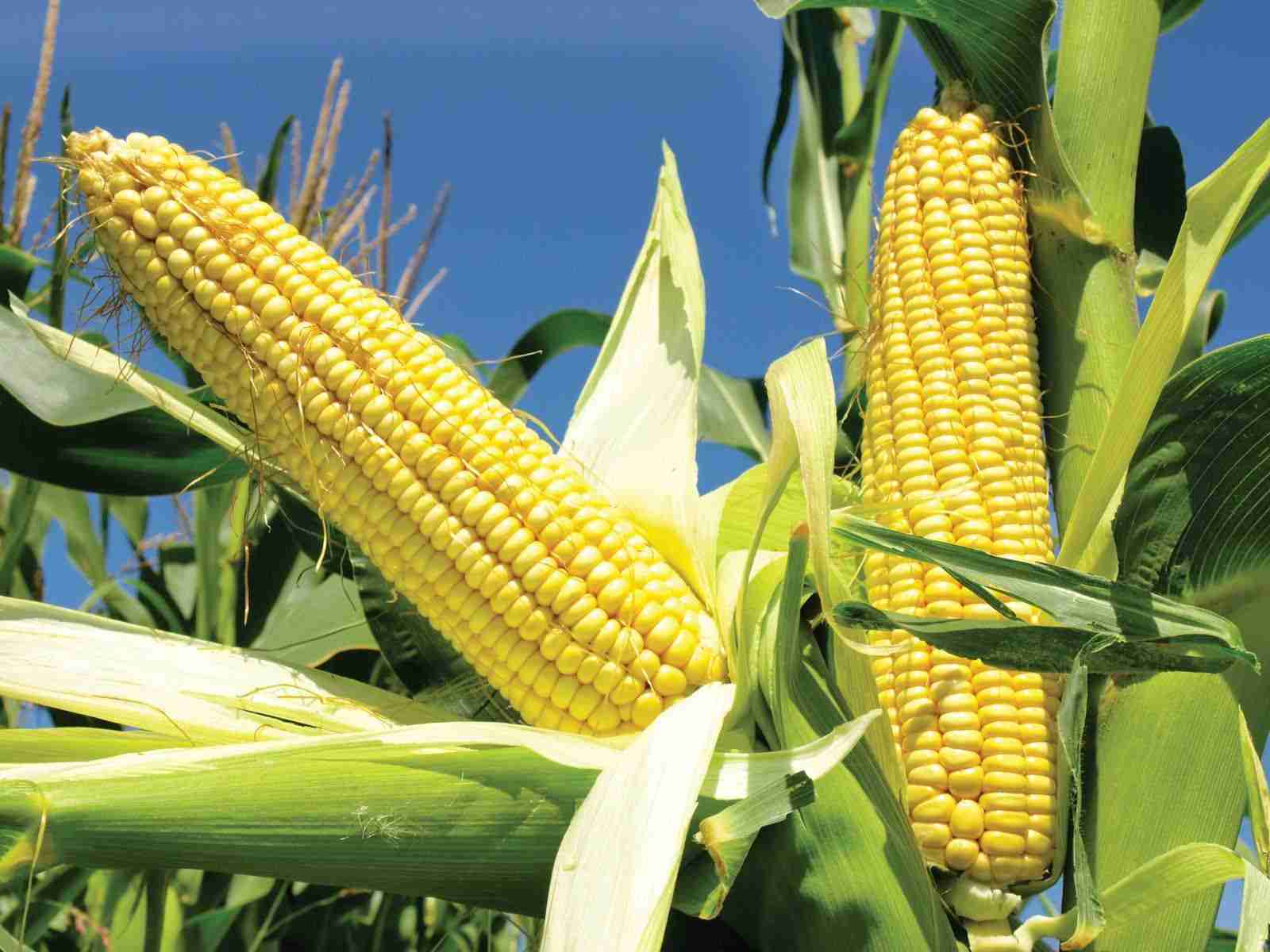
Exploring the Historical Significance of Corn in Global Cultures
Corn, often referred to as maize, holds a pivotal role in the annals of history, cementing its place in the hearts and stomachs of various cultures around the globe. Indigenous civilizations, particularly in the Americas, revered this golden grain not just as sustenance but as a symbol of life and prosperity. Corn was deeply intertwined with spiritual practices, traditional medicine, and community cohesion. From the intricate Mesoamerican rituals where corn was honored in ceremonies to its representation as a staple food that sustained entire societies, the historical narrative of this grain is rich and diverse. Each culture molded its identity and agricultural practices around the corn plant, utilizing it for an array of purposes:
- Food: Corn served as a primary dietary staple, appearing in various forms like tortillas and polenta.
- Economics: It played a crucial role in trade systems and agricultural economies.
- Art: Corn motifs can be seen in traditional crafts, textiles, and even architecture.
Today, the significance of corn is still palpable. The evolution from a divine grain to a fundamental ingredient in modern cuisine illustrates its adaptability and enduring relevance. Globally, culinary traditions have embraced corn, leading to a multitude of dishes across continents – from the vibrant Mexican elotes to the hearty American cornbread. The processing techniques developed over centuries—such as nixtamalization, which enhances the nutritional profile of corn—and the introduction of corn into diverse diets reflect a rich knowledge base rooted in history. As societies continue to innovate and explore corn’s uses, whether in biofuels or contemporary gastronomy, its journey remains a testament to human ingenuity and the interconnectedness of culture and agriculture. Here’s a glimpse of corn’s versatility through a simple comparison of regional preparations:
| Region | Corn Dish | Preparation Method |
|---|---|---|
| Mexico | Elote (Grilled Corn) | Grilled on a stick and topped with cheese, mayonnaise, and chili powder. |
| USA | Cornbread | Baked using a cornmeal base, often served as a side dish. |
| Italy | Polenta | Cooked cornmeal served creamy or allowed to set and sliced. |
| South Africa | Mealie Pap | Boiled and stirred cornmeal dish, often enjoyed with stew or braai. |

Understanding the Chemical Transformations in Corn Processing Techniques
In the intricate dance of corn processing, numerous chemical transformations occur that not only enhance the raw material’s properties but also expand its utility in various industries. As corn undergoes processes like fermentation, hydrolysis, and dry milling, complex starches break down into simpler sugars, paving the way for a variety of end products. This conversion is facilitated by enzymes and acids that catalyze the reactions, ultimately leading to the production of valuable components such as glucose and ethanol. The role of temperature and pH in these transformations is critical—each parameter carefully fine-tuned to optimize yield and efficiency.
Moreover, the understanding of chemical properties allows processors to create distinctly flavored and textured products. For instance, the Maillard reaction, which occurs during cooking, can elevate the sensory characteristics of corn-based foods through browning and flavor development. Key techniques employed include:
- Dry Milling: Separates the kernel into its components while preserving purity.
- Wet Milling: Utilizes water to break down starches, enhancing sugar extraction.
- Fermentation: Converts sugars into alcohol or acids, essential in the production of beverages and biofuels.
| Technique | Main Products | Key Chemical Process |
|---|---|---|
| Dry Milling | Flour, Grits | Starch Gelatinization |
| Wet Milling | Glucose, Sweeteners | Enzymatic Hydrolysis |
| Fermentation | Beer, Ethanol | Alcoholic Fermentation |

Innovative Approaches for Enhancing Nutritional Value in Corn Products
With the rise of health awareness, innovative methods to boost the nutritional profile of corn products are capturing the attention of both consumers and producers. Recent research emphasizes the incorporation of functional ingredients that not only enhance the flavor but also fortify the health benefits of corn-based foods. Some strategies being explored include:
- Biofortification: Utilizing advanced breeding techniques to increase essential micronutrients like zinc, iron, and vitamin A directly in corn.
- Fermentation: Employing beneficial microorganisms to increase the bioavailability of nutrients, enhancing both digestibility and flavor.
- Use of Fortified Additives: Incorporating protein-rich alternatives, omega-3 fatty acids, or fiber into corn meals and snacks to create a more balanced product.
Moreover, innovative processing techniques are redefining how corn can be enjoyed. For instance, the development of extrusion cooking not only modifies texture but retains more nutrients compared to traditional methods. As a result, the industry is witnessing:
| Processing Technique | Nutritional Benefit |
|---|---|
| Extrusion Cooking | Enhanced texture and nutrient retention |
| Nixtamalization | Improved calcium absorption and flavor enhancement |
| Cold Pressing | Preserved oils rich in antioxidants |

Sustainable Practices for a Greener Future in Corn Production
As the global demand for corn surges, embracing sustainable practices in its production becomes imperative. Farmers can employ crop rotation strategies, which not only enhance soil health but also disrupt cycles of pests and diseases. Integrating cover crops during off-seasons works wonders in preserving soil moisture and nutrients, while minimizing erosion. Moreover, precision agriculture utilizes technology to optimize resource use, significantly reducing waste and enhancing yields. By employing these methods, corn producers can contribute to a more sustainable ecosystem, ensuring that the art of corn processing thrives in harmony with the environment.
The transition towards greener corn production is further buoyed by the adoption of integrated pest management (IPM) and the use of organic fertilizers. IPM focuses on maintaining pest populations at manageable levels while minimizing chemical inputs, thus safeguarding biodiversity. Organic fertilizers derived from compost and other natural sources enrich the soil without the adverse effects of synthetic alternatives. implementing water conservation techniques, such as drip irrigation, allows for efficient water use, essential in regions facing water scarcity. With these sustainable approaches, the future of corn farming can be both productive and environmentally responsible.
In Conclusion
As we draw the curtain on our exploration of corn processing, it becomes clear that this ancient grain embodies a remarkable synergy of art and science. The journey from the golden kernels in the field to the myriad forms we cherish on our plates unveils a tapestry woven with tradition, innovation, and resilience. Each method of processing—be it dry milling, wet milling, or fermentation—invites us to appreciate the intricate dance between nature and technology.
In unlocking the potential of corn, we not only tap into a vital resource for food and industry but also honor a legacy that spans cultures and centuries. As we embrace the future, let us continue to innovate while respecting the rich heritage that surrounds this versatile crop. Whether it’s in the form of a warm tortilla, a bowl of polenta, or bio-based materials revolutionizing our industries, corn promises to remain a golden thread in the fabric of our lives. So, as you savor your next corn-based delight, remember the artistry and science behind it and the countless hands that brought it to your table. The journey of corn is far from over; it has merely scratched the surface of what it can offer.




