unlocking Flavor: The art and Science of Maize Milling
In the heart of countless kitchens worldwide, a humble grain holds the key to a universe of flavors and textures: maize. With its rich history and cultural meaning, maize has transcended its role as merely a staple food to become a canvas for culinary creativity. Yet, behind every comforting bowl of polenta, every batch of fresh tortillas, and every artisanal cornbread lies a meticulous process that begins with milling. This intricate dance of tradition and technology—encompassing everything from the selection of unique maize varieties to the precise techniques of grinding—shapes the final product in profound ways. In this exploration of “Unlocking Flavor: The Art and Science of Maize Milling,” we delve into the time-honored methods and innovative advancements that unlock the full potential of maize. join us as we uncover the secrets that transform simple kernels into flavorful staples that nourish and inspire across the globe.
exploring the Milling Process: From Kernels to Culinary Delights
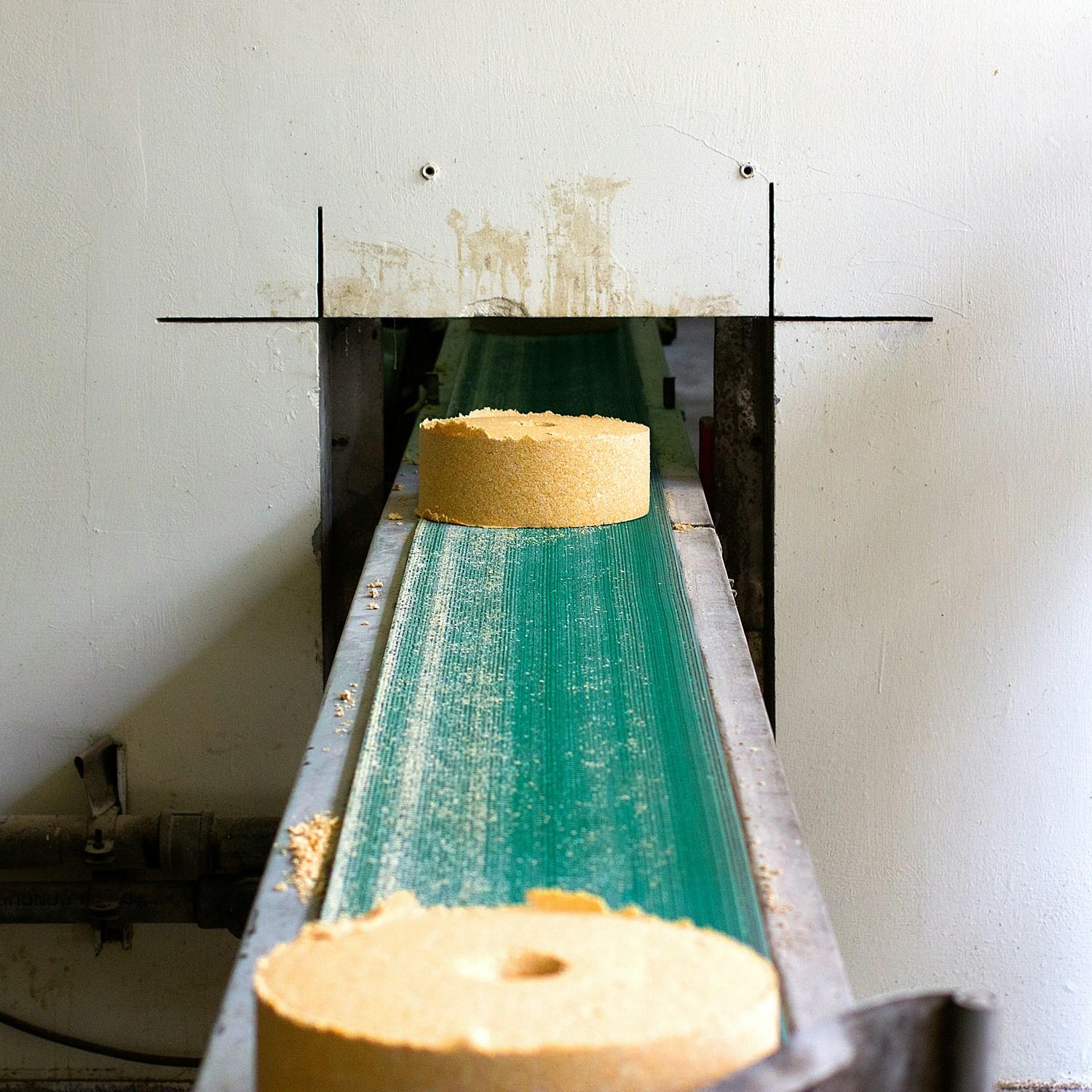
The journey of maize from field to table is a fascinating interplay of tradition and innovation. the milling process starts with selecting the best quality kernels, which are then subjected to several meticulous steps to unlock their full potential.During the initial stages, the kernels are cleaned to remove impurities, ensuring that only the finest grains proceed to the next phase. This is followed by steeping, where the kernels are soaked in water to enhance their moisture content. This critical step prepares the grains for milling by softening the outer layer. after steeping, the kernels undergo degermination, a process that separates the germ from the rest of the kernel, allowing for the extraction of starches and proteins essential for various culinary applications.
Once the kernels are properly processed, they are ground using a variety of techniques to achieve the desired consistency. The method of milling can significantly impact the flavor and texture of the final products. Options include stone milling, which retains the natural oils and nutrients, resulting in a rich, flavorful flour; or hammer milling, which produces a finer, more uniform particle size ideal for baking.The different milling methods yield various flour types, which can be used to create an array of culinary delights, from savory tortillas to sweet cornbreads. Understanding these processes helps illustrate the profound connection between maize and the foods we love to savor.
| Milling Process | purpose |
|---|---|
| Cleaning | Removal of impurities |
| Steeping | Enhancing moisture content |
| Degermination | Separating germ for starch extraction |
| grinding | Achieving desired flour consistency |

The Role of Grain Quality in Flavor Development
The quality of grain plays a pivotal role in the flavor profile of the final product, influencing everything from the aroma to the texture. When selecting maize for milling, several factors contribute to the overall quality, including:
- Kernel Hardness: This determines the milling process’s efficiency and the final flour’s texture.
- Moisture Content: Ideal moisture levels help preserve flavor compounds while preventing spoilage.
- Genetic Variety: Different maize varieties impart unique flavors; some are sweeter, while others lend a nuttier profile.
Through careful selection and processing,millers can enhance desirable flavors,making them integral to culinary applications. Additionally, the milling technique employed—whether stone-ground, roller, or hammer—affects the final taste by influencing particle size and extraction rates. In essence, the interaction between quality grain and milling methods creates a complex chemistry of flavors, underscoring the artistry behind transforming humble maize into a flavorful ingredient.
| Quality Factor | Impact on Flavor |
|---|---|
| Kernel Hardness | Textures that retain or enhance flavor |
| Moisture Content | Preservation of volatile flavor compounds |
| Genetic variety | Distinct flavor profiles based on cultivar |
Techniques for Optimizing Texture and Taste in Maize Products
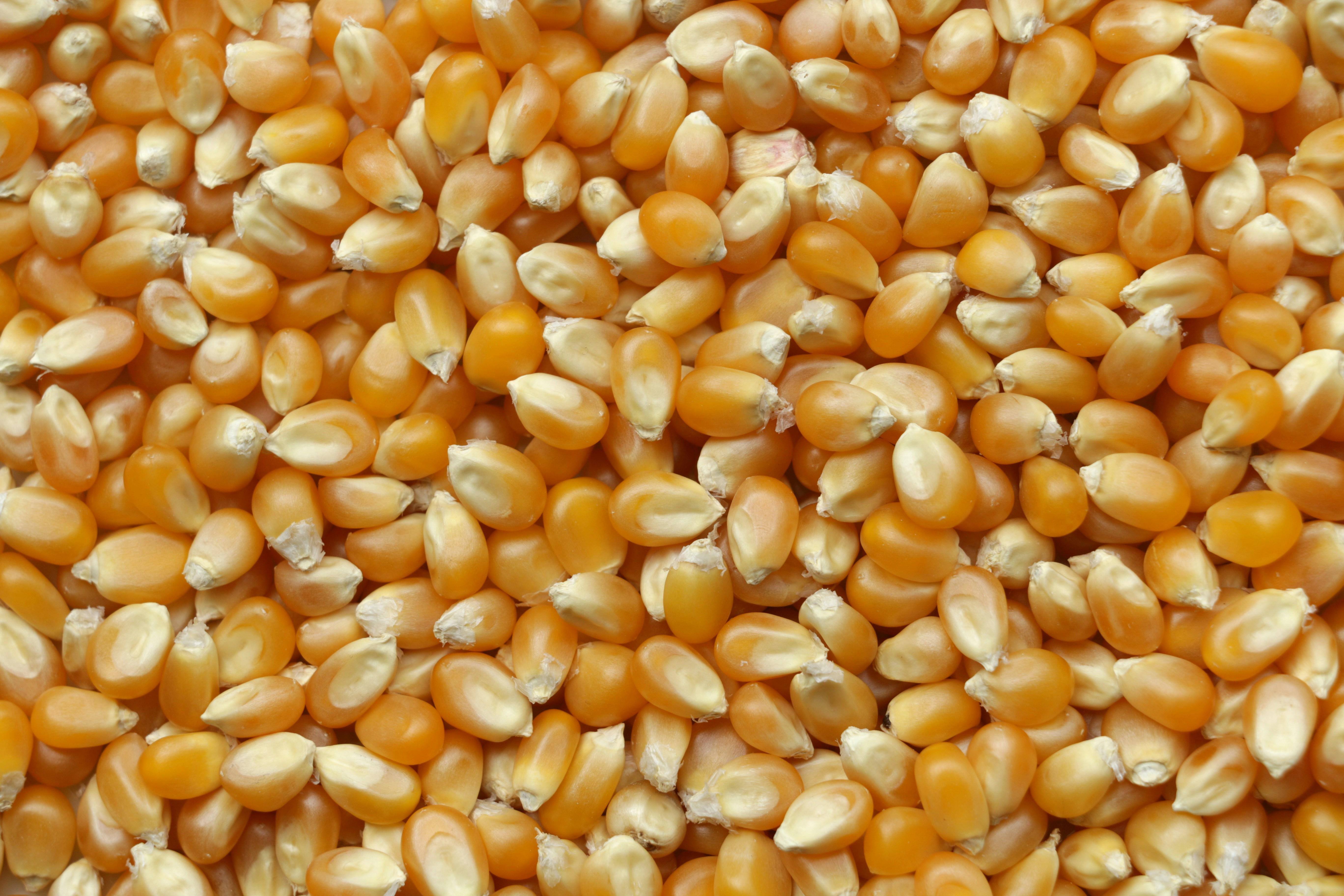
Optimizing the texture and taste of maize products begins with the careful selection of maize varieties, each bringing its own unique flavor profile and characteristics. Understanding the differences between flint, dent, and popcorn types can significantly impact both flavor intensity and texture. To elevate the overall sensory experience, milling techniques such as stone grinding or hammer milling play a pivotal role, as they influence the particle size and consistency of the flour. The following factors should be considered:
- Milling method: Stone milling tends to preserve more oils and nutrients, enhancing flavor.
- Adjusting moisture levels can produce a lighter texture or richer flavors.
- Fermentation: Utilizing fermentation can introduce new flavor compounds while also improving digestibility.
Moreover, the incorporation of various additives during processing can amplify both texture and taste. For example, using emulsifiers helps maintain moisture, creating a softer product, while natural flavor enhancers like spices and herbs can elevate the overall experience. The following table outlines common additives and their effects:
| Additive | Purpose | Effect on Flavor |
|---|---|---|
| Salt | Enhances flavor | Brings out natural sweetness |
| Sugar | Improves browning | Balances acidity |
| Food acids | Retains moisture | Brightens flavor profile |
By mastering these techniques and understanding the science behind them, producers can create maize products that not only satisfy culinary desires but also reflect the inherent qualities of the grain itself.

Innovative Milling technologies and Their Impact on Flavor Profiles
In the quest for flavor enhancement, innovative milling technologies are at the forefront of transforming how maize is processed. Modern milling techniques, such as stone grinding and impact milling, apply varied methods that not only preserve essential nutrients but also capture unique flavor nuances. These advancements allow millers to better control the granulation size and texture, resulting in distinctive taste profiles. The evolution of milling equipment featuring adjustable settings helps tailor the final product according to culinary purposes, fostering creative applications in both customary and contemporary cuisines.
Furthermore, it is worth noting the notable impact of these technologies on the sensory experience associated with maize-based products. The interactions between temperature, pressure, and moisture during milling influence the chemical compounds responsible for flavor. This is exemplified by the following factors:
- Whole Kernel Processing: Retains natural oils and flavors resulting in a richer taste.
- Cold Milling: Minimizes heat exposure, preserving volatile compounds that contribute to aroma.
- Multi-Stage Milling: Allows the production of varying textures (from coarse to fine) for diverse culinary applications.
As we delve deeper into these innovative techniques, it becomes clear that they play a crucial role in creating the layered flavors that elevate dishes featuring maize, making them more appealing to the palate and enhancing the overall gastronomic experience.
In Conclusion
In the intricate dance of grain and grinder, the art and science of maize milling unfolds as a narrative rich in heritage and innovation. from the golden fields that sway under the sun to the bustling mills where sounds of conversion echo, each step in the milling process tells a story of culinary potential. As we’ve explored,the choices made – from the type of maize to the milling technique – wield the power to unlock a tapestry of flavors and textures that can elevate our everyday meals.
As we stand at the intersection of tradition and modernity, it’s clear that the journey of maize does not end with the mill’s grind. Each culinary creation that follows is a testament to the dedication of millers who have mastered their craft and the vibrant cultures that celebrate this essential grain. in unlocking flavor through knowledge and skill, we not only nourish our bodies but also honor the age-old connection between people and their food.
So, the next time you savor a dish made from maize, remember the intricate layers of flavor that have been painstakingly unearthed. It’s not just a meal; it’s a celebration of the alchemy that occurs when art meets science in a mill.