
Unearthing Grains: The Art and Science of Cereal Milling
In the quiet hum of a mill, the ancient dance of grain meets the rhythmic pulse of technology. Across cultures and centuries, cereal milling has transformed humble seeds into the foundational elements of our daily nourishment—flour. From artisanal processes steeped in tradition to cutting-edge machinery that harnesses the latest advancements in food science, the journey of grains from field to flour is a compelling blend of art and science. As we delve into the intricacies of cereal milling, we will explore the tactile craftsmanship that defines artisanal milling, the engineering marvels that enhance efficiency, and the nutritional innovations that ensure we reap the benefits of our cereal crops. Join us on this journey as we unearth the remarkable world of cereal milling and discover how it shapes the very essence of our diets.
Exploring Ancient Techniques: The Historical Foundations of Cereal Milling
The history of cereal milling can be traced back thousands of years, with its roots embedded in the very fabric of early agricultural civilizations. Ancient societies recognized the necessity of transforming grains into a form suitable for consumption, which led to the development of rudimentary milling techniques. Some of the earliest methods employed by prehistoric peoples included the use of stones to manually grind grains, a practice that not only provided nourishment but also fostered communal efforts. Over time, this labor-intensive endeavor evolved, leading to a variety of milling apparatus, including the pair of circular stones that ultimately shaped the future of grain processing.
As civilizations advanced, so too did milling technology. The Egyptians, for example, devised complex mechanisms powered by animals and water, significantly increasing efficiency and output. In addition to enhancing productivity, these innovations underscored the cultural importance of milling in aspects such as trade and religious ceremonies. Various techniques and tools emerged, including:
- Querns: Hand-operated stone tools primarily used in early milling.
- Watermills: Harnessing of water flow to automate the grinding process.
- Windmills: Utilizing wind power to turn grinding stones.
Beneath these advancements lay fundamental knowledge about grain selection, seasonal harvesting, and the critical importance of storage methods to ensure the grains’ viability. The practices established in these ancient times not only laid the groundwork for modern milling but also reflect a profound understanding of agricultural cycles, thereby blending the art and science that continues to be celebrated and refined today.
Understanding the Milling Process: Transforming Grains into Flour
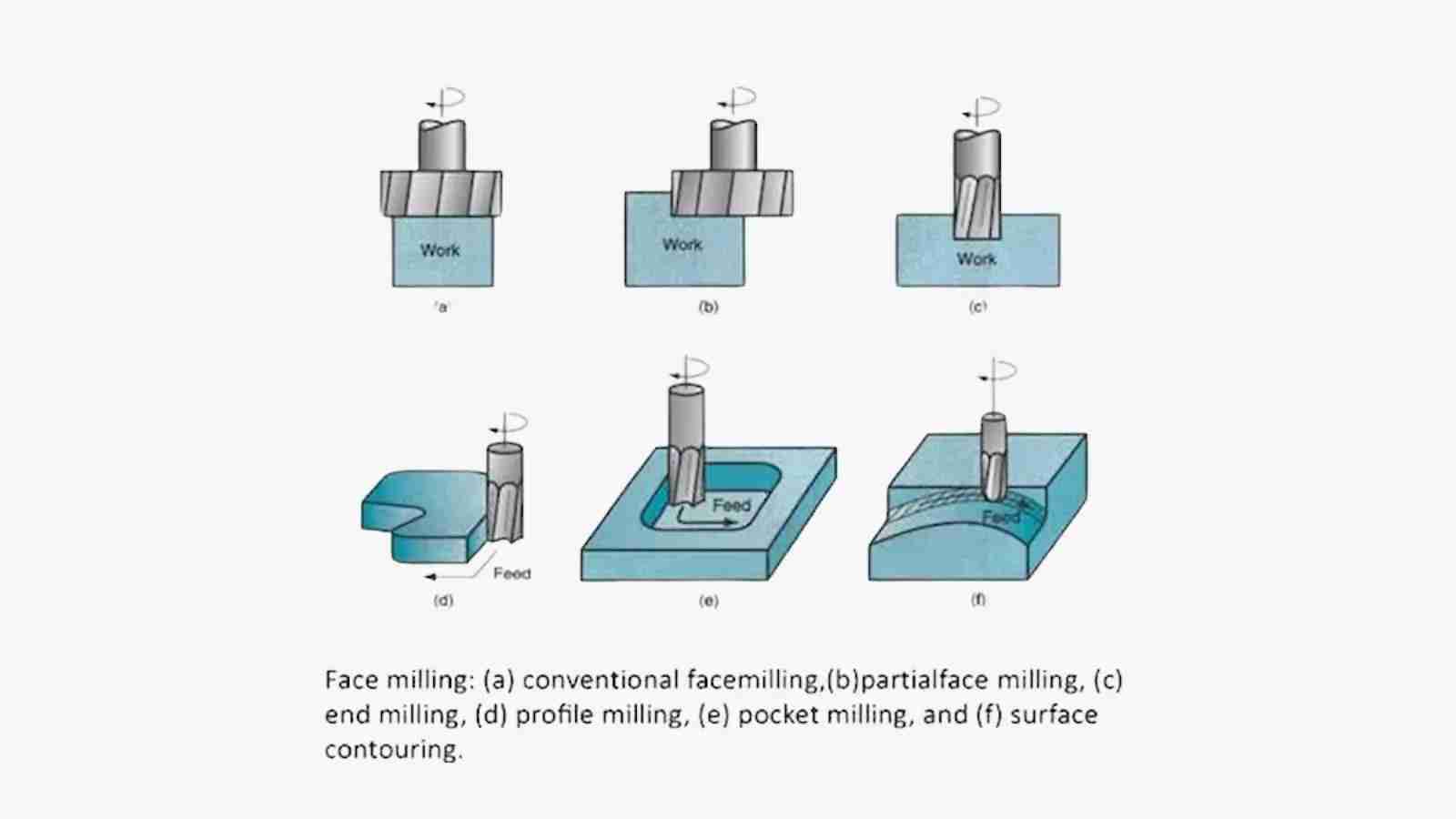
The milling process is a remarkable journey that starts with the humble grain and culminates in the fine flour we use in our kitchens. At its core, milling involves the physical grinding of grains, breaking them down into smaller particles. This procedure not only converts whole grains into flour but also releases essential nutrients and flavors that might otherwise remain locked away. Factors such as grain type, moisture content, and milling technique play a crucial role in determining the flour’s final quality. Modern milling employs both traditional and innovative methods, integrating art and technology to achieve the desired grain profile.
As the milling process unfolds, several key stages define the transformation from grain to flour. These include:
- Cleansing: Washing and removing impurities from grains.
- Conditioning: Adding moisture to prepare grains for milling.
- Milling: Grinding grains using rollers or stones to create flour.
- Sifting: Separating fine flour from coarser particles.
- Packaging: Ensuring freshness and quality for distribution.
Each step plays a vital role, and a skilled miller understands how to balance tradition with modern technology to produce flour that is not only versatile but also rich in flavor and texture. The measures taken throughout these stages ensure that the flour retains its nutritional value, as well as its appeal to both bakers and chefs alike.

Choosing the Right Equipment: Essential Tools for Efficient Milling
When diving into the meticulous world of cereal milling, having the right equipment is not just beneficial, it’s essential. The milling process can vary significantly based on the grain type and desired end product, so a tailored selection of tools makes all the difference. Key components in any milling operation include hammer mills for coarse grain grinding, roller mills for achieving precise particle sizes, and air classifiers for separating and refining grain particles. Additionally, investing in sifting equipment ensures that the final flour meets the desired quality standards by eliminating larger, unwanted particles.
Furthermore, the maintenance of milling equipment plays an equally critical role in ensuring efficiency and longevity. Regular blade sharpening and mechanical inspections can minimize downtime and enhance productivity. Below is a concise comparison of essential milling tools:
| Tool Type | Function | Benefits |
|---|---|---|
| Hammer Mill | Crushes grain for coarse milling | Versatile, ideal for various grains |
| Roller Mill | Grinds grain into fine flour | Produces uniform particle sizes |
| Air Classifier | Separates particles by size and weight | Enhances flour quality and purity |
| Sifters | Removes larger particles from flour | Ensures consistent flour texture |
Understanding the role of each tool in the milling process can streamline operations and improve outcomes, giving both amateur and professional millers the edge they need to produce high-quality cereal products. By investing time in selecting the right equipment and maintaining it properly, millers can not only optimize their workflow but also enhance the nutritional quality and overall appeal of their final product.
Nutritional Aspects of Milling: Balancing Flavor and Health in Grain Products
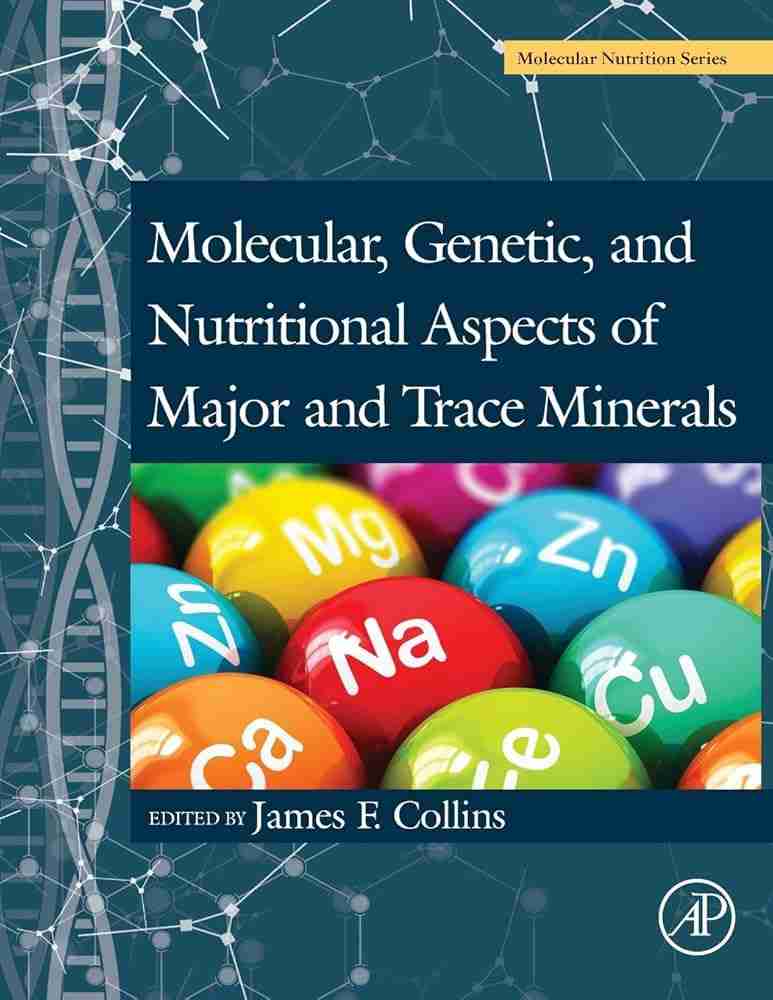
Nutritional considerations are at the forefront of modern milling practices, as artisans strive to create products that not only satisfy the palate but also bolster health. With every grain processed, a delicate balance is struck between flavor and nutritional value. Here are key aspects that define this balance:
- Whole Grains vs. Refined Grains: Whole grains retain their bran and germ, offering higher fiber and nutrient levels, while refined grains, stripped of these components, provide a lighter texture but often at a nutritional loss.
- Additives and Enrichment: The addition of vitamins and minerals can enhance the nutritional profile of milled products, helping to replace nutrients lost during processing.
- Flavor Profiles: The milling process influences flavor; for instance, stone milling may enhance the earthy tones of grains, while roller milling may yield a milder, more versatile product.
To visualize the differences between common grain products, consider the following table that contrasts whole grain and refined options in terms of fiber and key nutrients:
| Grain Product | Fiber Content (per 100g) | Iron Content (mg) |
|---|---|---|
| Whole Wheat Bread | 6.7 | 3.6 |
| White Bread | 2.7 | 0.9 |
| Brown Rice | 2.8 | 0.4 |
| White Rice | 0.4 | 0.2 |
the choices made during milling can significantly impact the nutritional attributes of grain products. Consumers are increasingly drawn to products that fulfill their dietary needs without compromising on taste, driving a renaissance in artisanal milling techniques aimed at promoting health through a love of flavor.
The Way Forward
As we conclude our exploration of “Unearthing Grains: The Art and Science of Cereal Milling,” we are reminded of the delicate dance between tradition and innovation that shapes this age-old craft. The journey from field to flour is not merely a mechanical process; it is an intricate tapestry woven with the threads of agricultural heritage, technological advancements, and culinary creativity. Each grain carries with it a story—of farmers who cultivate, millers who transform, and bakers who create.
In a world where convenience often trumps craftsmanship, the revival of interest in artisanal milling is a testament to our desire for authenticity and quality. With each milling technique, we breathe new life into the grains, unlocking flavors and nutrition that echo the ecosystems from which they originate. As we savor the products of this meticulous process, let us appreciate the unseen forces that make our daily bread not just sustenance, but a celebration of culture and community.
So, as you embark on your next culinary adventure, remember that behind every bite lies a world of science and art, waiting to be unearthed and savored. Join us in honoring the age-old practice of cereal milling—an enduring legacy that continues to nourish both body and spirit.




