In the vast landscape of food production, where every grain matters, the journey of cereal from farm to table is a tale as complex as it is indeed engaging. As one of the cornerstones of the human diet, cereals undergo a remarkable transformation that goes beyond mere cultivation. Innovative processing techniques are reshaping the way we view and consume these staple foods. From enhancing nutritional value to improving shelf life, the intricacies of cereal processing innovations reveal a world where science and creativity converge. In this article, we will delve into the multifaceted realm of cereal processing, exploring the cutting-edge technologies and methodologies that are redefining an age-old industry.Join us as we unravel the threads of this intricate tapestry, illuminating the vital role these advancements play in meeting the demands of a dynamic global market while striving to nourish a growing population.
The Evolution of Cereal Processing technologies
The journey of cereal processing technologies has transformed profoundly over the decades,driven by advancements in science and engineering. Historically, the methods were labor-intensive and relied heavily on manual labor. Early processes involved simple grinding techniques using rudimentary tools, which often led to inconsistent textures and flavors. With the advent of industrialization in the 19th century, mechanized milling became commonplace, significantly improving productivity and uniformity.Modern innovations employ sophisticated machinery such as roller mills and air classifiers, which ensure precise grinding and separation of germ, endosperm, and bran. The integration of automation and computerization further refines these processes, allowing for real-time adjustments that enhance both quality and efficiency.
Contemporary cereal processing goes beyond just milling; it now encompasses a myriad of techniques aimed at improving nutritional value and consumer appeal. Techniques such as extrusion, where cereals are cooked and forced through a die to create various shapes and textures, have gained immense popularity. this method not only enhances digestibility but also allows for fortification with vitamins and minerals. Additionally, novel processes like microwave puffing and high-pressure processing have emerged to create healthier snacks without the need for preservatives. The combination of these advancements has led to the creation of products that are not only more appealing in taste and texture but also align with modern dietary preferences.
| Technology | Year Introduced | Primary Benefit |
|---|---|---|
| Mechanical Milling | 19th Century | Increased efficiency |
| Extrusion | 1960s | Versatile product shapes |
| Microwave Puffing | 1980s | Healthier snack options |
| High-Pressure Processing | 2000s | Extended shelf life without preservatives |
Exploring Nutritional Enhancements in Modern Cereals
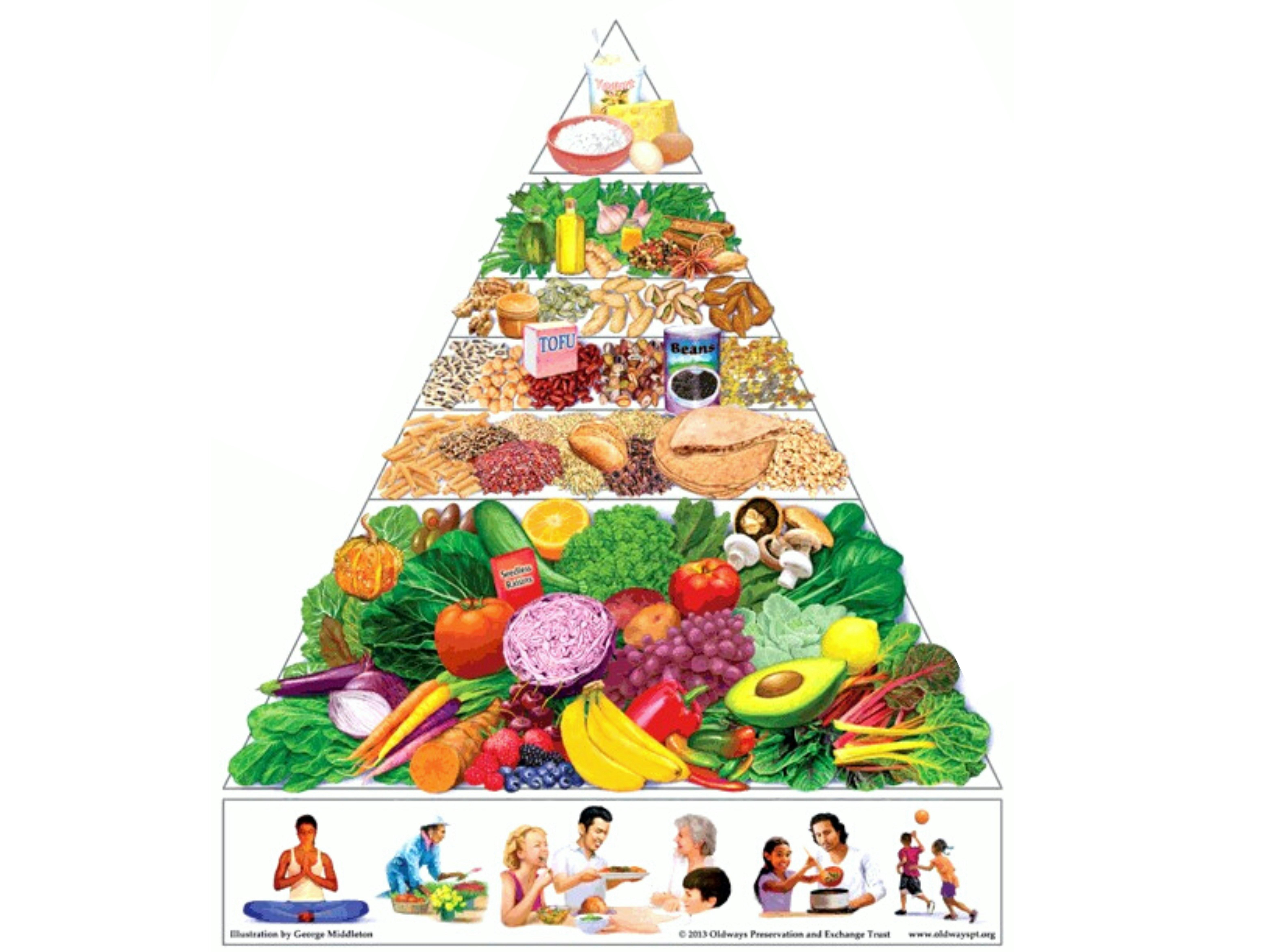
Modern cereal processing has led to a remarkable transformation in the nutritional profiles of breakfast staples enjoyed worldwide. Advances in technology enable manufacturers to enhance the bioavailability of essential nutrients, thereby making these cereals not only convenient but also beneficial for health. Innovations such as microencapsulation allow for the targeted delivery of vitamins and minerals during digestion, ensuring maximum absorption. Additionally, the inclusion of functional ingredients like probiotics and fortified fibers has gained traction, introducing benefits that go beyond basic nutrition.
The impact of utilizing whole grains flourished as consumers increasingly favor products that promote overall well-being. The incorporation of diverse grains, such as quinoa, amaranth, and spelt, offers enhanced amino acid profiles and increased antioxidants.Moreover, many cereals now boast an array of flavor-infused options achieved through natural sources, minimizing additives that can compromise health. Below are some of the popular nutritional enhancements found in contemporary cereals:
- Fortified Nutrients: Additional B vitamins, iron, and calcium
- Whole Grains: Barley, oats, and ancient grains
- Superfoods: Chia seeds, flaxseeds, and berry powders
- Functional Additives: Probiotics and prebiotics
| Cereal Type | Nutritional Feature | Health Benefit |
|---|---|---|
| Oat-based | Beta-glucan | Heart health support |
| Whole Wheat | Fiber | Digestive health improvement |
| Rice Puffs | Fortified with Iron | Supports blood health |

Sustainable Practices in Cereal Production and Processing
In the quest for environmentally friendly cereal production, innovative techniques are emerging that prioritize sustainability without compromising the quality of the final product. By leveraging modern agricultural practices, farmers are increasingly adopting methods such as crop rotation, which enhances soil fertility, and precision farming, which reduces resource waste. These practices not only improve crop yields but also contribute to the preservation of ecosystems. Additionally, the incorporation of cover crops helps to prevent soil erosion and maintain moisture levels, essential for long-term agricultural health.
Furthermore, the processing of cereals is undergoing a transformation powered by advanced technologies aimed at reducing energy consumption and waste. techniques such as steam cooking and extrusion are being refined to minimize water usage and shorten processing times while maximizing nutritional retention. Processing facilities are increasingly employing renewable energy sources, such as solar and wind, to power their operations, resulting in a lower carbon footprint.The introduction of biodegradable packaging for cereal products not only meets consumer demand for sustainable choices but also addresses the growing concern over plastic waste.
| Innovation | Benefit |
|---|---|
| Crop Rotation | Enhances soil fertility |
| Precision Farming | Reduces waste of resources |
| Cover Crops | Prevents soil erosion |
| Renewable Energy in Processing | Lower carbon footprint |
| Biodegradable Packaging | Addresses plastic waste |

Future Trends in Consumer preferences and Their Impact on Innovation
The evolution of consumer preferences plays a crucial role in shaping the landscape of innovation within the cereal processing industry. As health consciousness continues to rise, more consumers are gravitating towards products that boast natural ingredients, sustainability, and functional benefits. This shift has led to increased demand for cereals that are not only nutritious but also cater to dietary restrictions, such as gluten-free and plant-based options. Companies are now challenged to innovate their processing methods to ensure product integrity while meeting these growing expectations. As an example, advancements in cold extrusion technology are allowing manufacturers to create cereals with higher nutritional value while preserving delicate flavors and textures, thus appealing to both health-focused and taste-driven consumers.
Moreover, the growing trend towards openness and ethical sourcing has prompted many cereal brands to rethink their supply chains and ingredient sourcing practices. today’s consumers are increasingly interested in knowing the story behind their food, which in turn drives innovation in traceability and packaging solutions. new labeling technologies, such as QR codes that link to detailed sourcing details, have emerged as a means to enhance consumer trust and engagement. As brands embrace these changes, we can expect a profound impact on product growth strategies, focusing on obvious ingredient lists and eco-friendly packaging, ultimately redefining the way cereals are processed and marketed to the future consumer.
The Conclusion
the world of cereal processing is a fascinating blend of tradition and innovation. as we have explored, advancements in technology and a deeper understanding of nutritional science are driving significant transformations in how cereals are produced, packaged, and marketed. these innovations not only enhance the quality and shelf-life of cereal products but also cater to the evolving preferences of consumers seeking healthier and more sustainable options.As we look ahead,it is clear that the cereal industry will continue to adapt and thrive,blending the age-old art of grain processing with cutting-edge research and development. Embracing these intricacies helps us appreciate not just the cereals we consume, but also the complex journey they undertake from farm to table. So, the next time you pour a bowl of your favorite flakes, remember that each bite is the result of a rich tapestry of innovation and dedication, reflecting a continual quest for improvement in the realm of food processing.