
Transforming Maize: The Art and Science of Corn Processing
As the golden fields of maize sway gently in the breeze, they tell a story that intertwines nature’s bounty with human ingenuity. Corn, a staple that has nourished civilizations for thousands of years, holds a multifaceted identity—it’s not just a crop; it is a canvas for creativity and a subject of scientific exploration. The process of corn processing is where these two worlds collide, transforming humble kernels into an array of products that touch our daily lives. From the hearty tortillas that grace our tables to the sweet syrups that add a touch of sweetness to our favorite treats, the journey of maize is both an art and a science. This article delves into the intricate methods and historical traditions of corn processing, unveiling how artisans and scientists alike have harnessed the potential of this versatile crop to shape our diets, economies, and cultures. Join us as we explore the fascinating transformation of maize, celebrating its rich heritage while looking ahead to innovative practices that promise to redefine our relationship with this essential grain.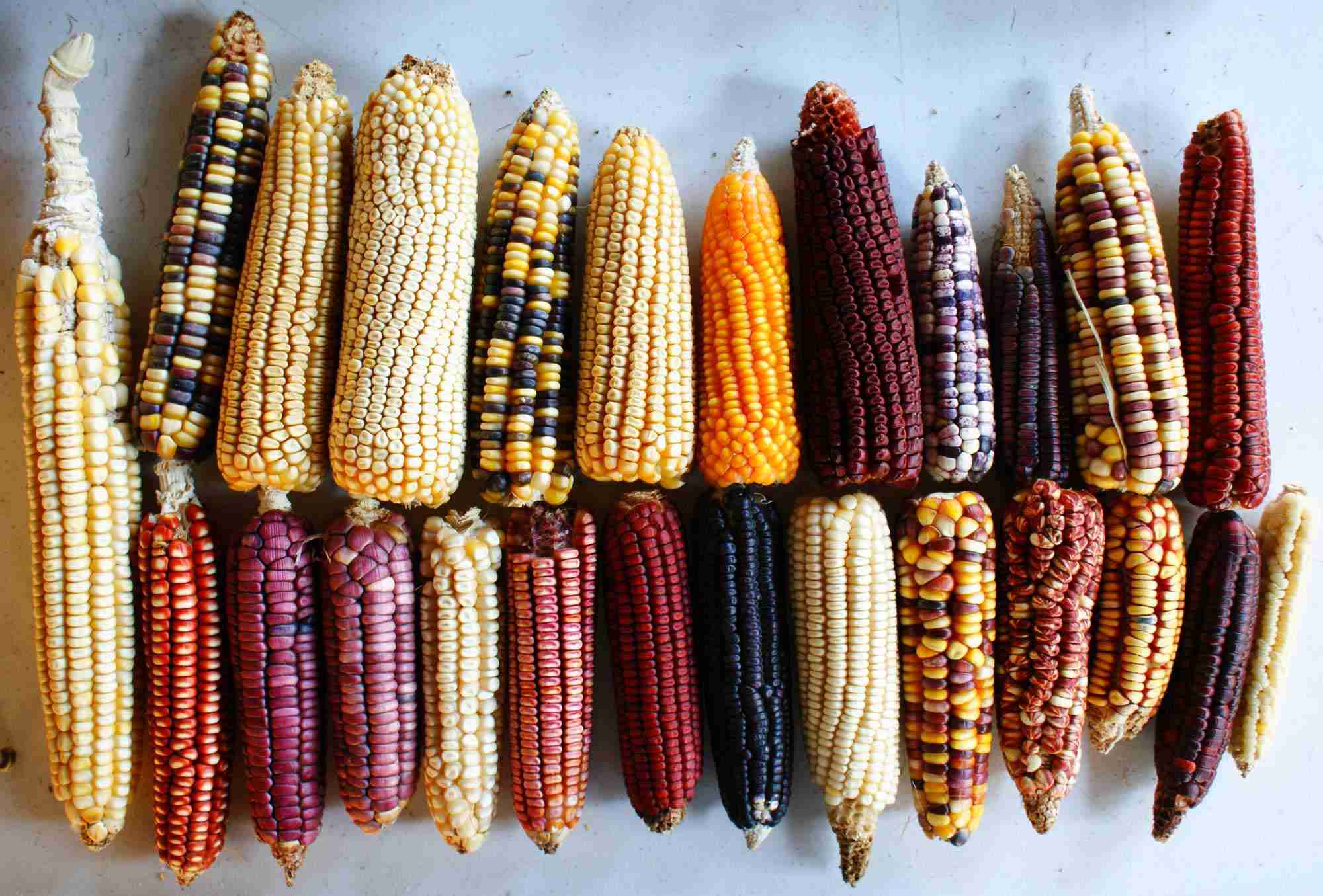
Understanding Maize: From Crop to Culinary Staple
Maize, also known as corn, serves as one of the essential grains that fuels both the agricultural economy and the culinary landscape. From its vibrant fields swaying in the breeze to the rich variety it offers on our plates, maize is a crop of incredible versatility. Native to the Americas, it has been cultivated for thousands of years, evolving not just as a staple food source but also as a cultural icon representing nourishment and sustenance. Varieties such as yellow, white, and blue corn each bring unique flavors and textures, allowing chefs and home cooks alike to explore a wide array of dishes ranging from tortillas to polenta. Each application transforms maize into something new, demonstrating its pivotal role in cuisines across the globe.
Once harvested, the journey of maize continues through various processing methods that enhance its culinary capabilities. Techniques such as milling, nixtamalization, and fermentation are employed to convert raw maize into diverse food products. Mills finely grind the kernels, turning them into flour for baking or other recipes, while nixtamalization, a traditional method involving soaking maize in lime water, not only improves nutritional content but also enhances flavor. This process is particularly vital for creating masa, the dough used in tortillas and tamales. Additionally, fermenting maize opens the door to dishes such as arepas and corn beer, showcasing the grain’s adaptability. As we appreciate the myriad applications of maize, it becomes clear that each processing method not only respects the grain’s origins but also elevates it to new culinary heights.
Innovative Techniques in Corn Milling and Refining
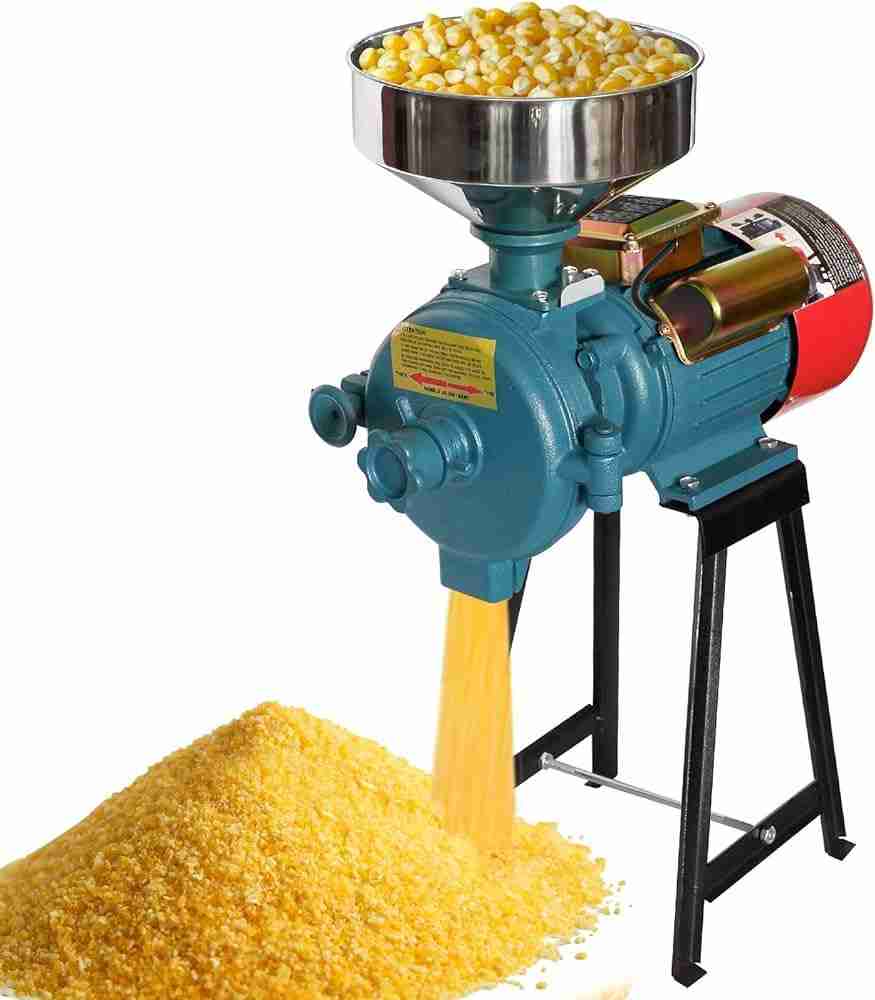
In the realm of corn processing, pioneering techniques have emerged to maximize yield, enhance quality, and minimize environmental impact. One such innovation is the adoption of enzymatic milling, which uses specific enzymes to break down corn starch into sugars more efficiently, facilitating a smoother energy conversion during processing. This method not only increases the yield of valuable by-products such as corn syrup but also reduces energy consumption in milling facilities. Furthermore, ultrasonic cleaning has gained traction, employing high-frequency sound waves to remove impurities from corn kernels before milling, ensuring a higher-quality product and improved flavor profile.
Another groundbreaking advancement is the implementation of dry fractionation, a process that separates corn into its key components—starch, protein, and fiber—without the need for chemical solvents. This technique allows processors to create high-purity corn starch while simultaneously generating feed products rich in protein and fiber. Additionally, twin-screw extrusion has revolutionized the refinement process by allowing for a continuous flow that enhances the texture and quality of the final product. Modern corn milling is characterized by technological integration, employing real-time data monitoring and automation to finely tune each step of the processing chain. These developments represent a fusion of art and science, transforming maize into a myriad of economically vital products.
| Technique | Description | Benefits |
|---|---|---|
| Enzymatic Milling | Uses enzymes to convert starch into sugars. | Increased yield, lower energy costs. |
| Ultrasonic Cleaning | Removes impurities using sound waves. | Improved product quality, better flavor. |
| Dry Fractionation | Separates corn into starch, protein, and fiber without solvents. | High-purity products, additional feed sources. |
| Twin-Screw Extrusion | A continuous process enhancing product texture. | Efficient production, better quality control. |
Nutritional Benefits and Challenges in Maize Processing
Processing maize offers a remarkable array of nutritional benefits, transforming this staple grain into a versatile product that caters to diverse dietary needs. The process of milling, for instance, can enhance the availability of essential nutrients, such as:
- Protein: Maize is a good source of plant-based protein, which, when properly processed, can provide essential amino acids.
- Fiber: Whole maize products retain a significant amount of dietary fiber, contributing to digestive health and aiding in weight management.
- Vitamins: Vitamin B complexes, particularly niacin and folate, are abundant in maize, supporting energy metabolism and cellular function.
- Minerals: Magnesium, phosphorus, and zinc found in maize play crucial roles in bone health and immune function.
Despite these advantages, maize processing poses certain challenges, notably the risk of nutrient loss during manufacturing. Common processing methods can strip away valuable components, such as:
- Phytochemicals: Antioxidants like carotenoids can be reduced significantly through refining processes.
- Essential Fatty Acids: Some methods may lead to the degradation of healthy fats, diminishing their health benefits.
- Micronutrients: The refining process can result in a reduction of vital micronutrients, impacting overall nutritional quality.
To illustrate the nutritional profile of processed maize products, the following table summarizes the approximate nutrient values:
| Nutrient | Whole Grain Maize (per 100g) | Refined Cornmeal (per 100g) |
|---|---|---|
| Protein | 9g | 7g |
| Fiber | 7g | 3g |
| Vitamin B6 | 0.1mg | 0.05mg |
| Iron | 0.52mg | 0.3mg |

Sustainable Practices for a Greener Corn Industry
In recent years, the corn industry has increasingly embraced methods that minimize environmental impact and foster sustainability. Crop rotation has emerged as a key technique, allowing farmers to maintain soil fertility and disrupt the life cycles of pests. Additionally, integrated pest management involves the use of natural predators and environmentally friendly pesticides, reducing the reliance on harmful chemicals. Many growers are also turning to no-till farming, which conserves water and reduces soil erosion, helping to protect precious natural resources while maintaining crop yields.
Beyond individual farming practices, collaboration within the community is essential for fostering sustainability across the corn processing sector. Establishing local supply chains not only supports regional economies but also significantly reduces carbon footprints associated with transportation. Innovative processing methods, including bioconversion and wet milling, optimize resource use while minimizing waste. To further enhance environmental stewardship, stakeholders are encouraged to participate in sustainability certification programs that promote best practices and reward those who commit to a greener approach. The following table summarizes some of the sustainable practices and their benefits:
| Sustainable Practice | Benefits |
|---|---|
| Crop Rotation | Enhances soil health, reduces disease |
| No-Till Farming | Minimizes soil erosion, conserves moisture |
| Local Supply Chains | Reduces transportation emissions, boosts local economy |
| Integrated Pest Management | Lowers chemical use, protects biodiversity |
| Bioconversion | Utilizes waste, produces renewable energy |
Concluding Remarks
In the intricate dance of art and science, the story of maize unfolds as a testament to human ingenuity and cultural heritage. From field to table, every stage of corn processing reveals the profound connection we share with this humble grain. Whether it’s the vibrant hues of cornbread, the creamy richness of corn tortillas, or the innovative bioproducts emerging from modern technologies, maize continues to inspire creativity and innovation.
As we peel back the layers of histories and modern techniques, it becomes clear that transforming maize is not merely a process; it’s a celebration of diversity, sustainability, and resourcefulness. This journey emphasizes the importance of preserving traditional practices while embracing new advancements that promise to enhance the versatility of corn.
In appreciating the art and science behind corn processing, we are invited to explore not just the flavors and textures it offers, but also the stories of the communities and ecosystems intertwined with this remarkable crop. As we look to the future, let us carry forward the legacy of maize, recognizing its potential not only to nourish but also to unite us in a shared vision for a sustainable and flavorful tomorrow.




