
Transforming Grains: The Art and Science of Cereal Processing
In the tapestry of human civilization, grains have long served as the foundation of sustenance and culture. From the golden fields of wheat swaying in the breeze to the earthy hues of quinoa nestled in the Andean highlands, these humble seeds have transformed into staples that nourish billions. Yet, behind the simple act of consuming cereal—whether it be a hearty bowl of oatmeal or a slice of freshly baked bread—lies a complex interplay of art and science, a meticulous process that has evolved through innovation and tradition.
Cereal processing is not merely a set of mechanical operations; it is an intricate dance of technique and creativity, where flavor meets technology and nutrition intertwines with practicality. As we explore this multifaceted domain, we will delve into the methodologies employed to unlock the potential of grains, the historical shifts that have shaped their processing, and the emerging trends that continue to redefine our relationship with food. Join us on this journey through the kernels of knowledge that illuminate the path from the farm to our kitchen tables, revealing the profound transformations that give life to the grains we often take for granted.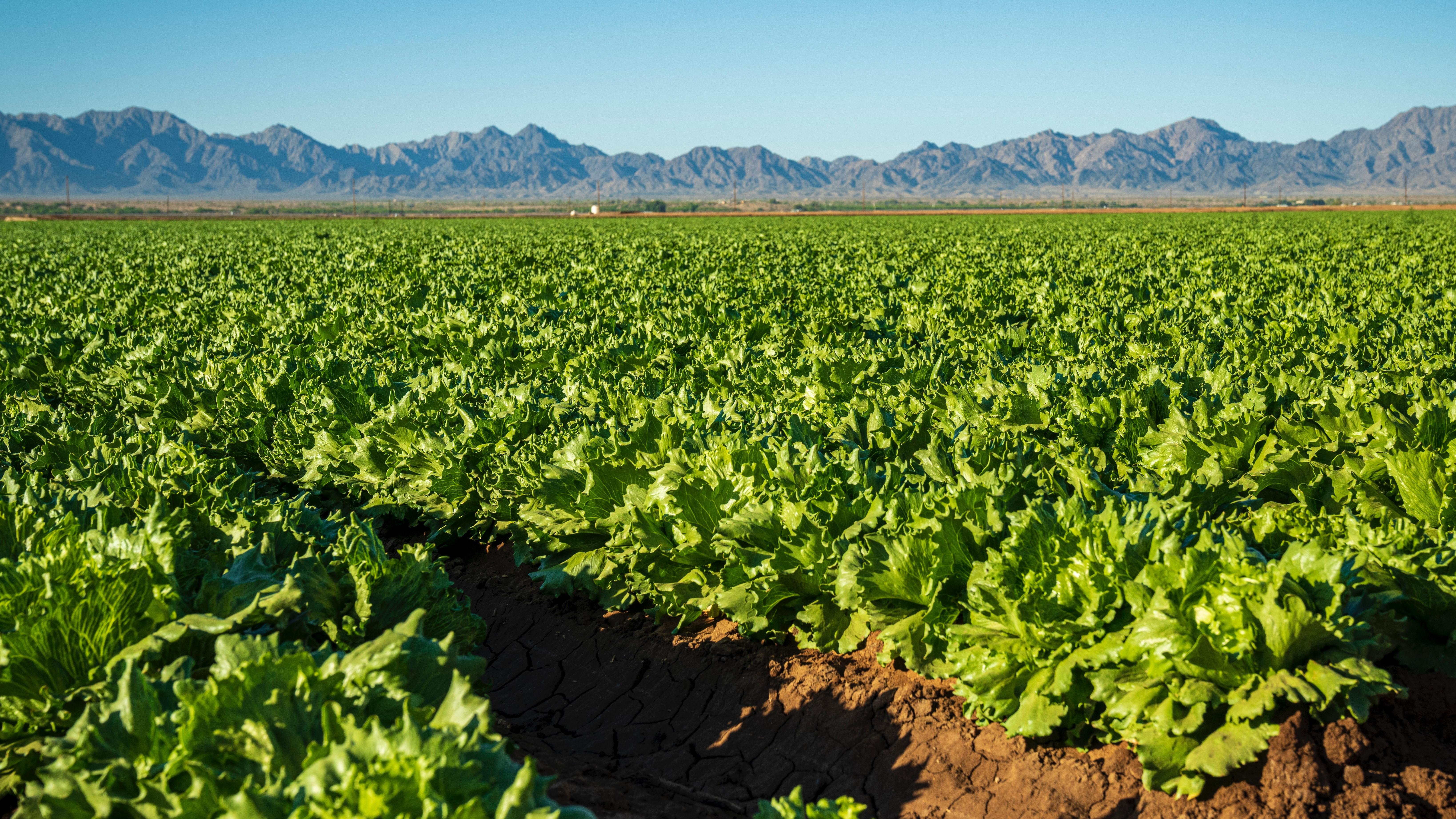
Exploring the Journey from Farm to Food: Understanding Grain Sourcing and Selection
Grains undergo a fascinating transformation from the moment they are harvested on the farm to their final role as pantry staples. Understanding this journey not only sheds light on the art and science of cereal processing but also emphasizes the importance of sourcing and selection. Every grain starts its life in the vast landscapes of farms, nurtured by soil, sun, and rain. The sourcing process involves selecting the right varieties, often determined by factors such as climate, soil type, and intended use. Farmers play a crucial role in ensuring quality; they must also deal with challenges such as pests and unexpected weather changes, making the selection of resilient grain varieties essential. This initial step sets the foundation for the entire processing journey.
Once harvested, grains go through a meticulous selection process that highlights their unique attributes. In the processing phase, several factors influence the outcome, including cleaning, milling, and refining. Each of these steps is aimed at enhancing the grain’s characteristics while maintaining its nutritional value. Key components influencing this journey include:
- Moisture content: Essential for grain storage and processing efficiency.
- Grain purity: Higher purity leads to higher quality end products.
- Flavor profile: Diverse grains offer varying tastes, affecting the final product.
To illustrate the significance of quality in grain sourcing, consider the following table:
| Grain Type | Key Characteristics | Common Uses |
|---|---|---|
| Wheat | High gluten content for elasticity | Breads, pastries |
| Rice | Versatile, various shapes/sizes | Stir-fries, sushi |
| Oats | Rich in fiber and nutrients | Breakfast cereals, granola |

The Science Behind Cereal Processing: Techniques That Enhance Nutritional Value
The intricate journey from raw grains to a finished cereal product involves sophisticated processing techniques that not only enhance shelf life but also improve the overall nutritional profile. One of the core techniques utilized is milling, which involves grinding grains to produce flour. This process can be tailored to retain vital nutrients, such as bran and germ, or can result in refined products that are lighter and more palatable. Some processors adopt fortification, adding essential vitamins and minerals back into flour that may have been lost during milling. This practice is crucial for ensuring that consumers receive adequate nutrients, particularly in populations where dietary deficiencies might be prevalent.
Another significant technique in cereal processing is toasting, which involves subjecting grains to heat, enhancing flavor and digestibility while helping to preserve certain nutrients. Puffed cereals arise from processes such as extrusion, which subjects grains to high heat and pressure, creating a light, crunchy texture. Interestingly, the application of heat not only boosts palatability but can also improve the bioavailability of certain nutrients. Below is a table summarizing these techniques and their key benefits:
| Processing Technique | Key Benefits |
|---|---|
| Milling | Preserves or enhances nutrients, adjusts texture |
| Fortification | Addresses nutrient deficiencies, adds health benefits |
| Toasting | Enhances flavor, improves digestibility |
| Extrusion | Creates unique textures, enhances nutrient bioavailability |

Innovative Technologies in Grain Transformation: Pioneering Methods for Quality Improvement
The landscape of cereal processing has been dramatically reshaped by the integration of cutting-edge technologies. Precision agriculture, for instance, enhances the quality of grains before they even reach the processing facility. By utilizing drones and satellite imagery, farmers can assess crop health and soil conditions, ensuring only the best grains are harvested. This proactive approach not only improves the raw material quality but also reduces waste, leading to a more sustainable processing environment. Techniques such as machine learning and data analytics streamline operations, allowing processors to optimize their strategies and adjust inputs according to real-time conditions, ultimately elevating the final product’s quality.
In the processing phase, innovative methods such as infrared spectroscopy are revolutionizing traditional quality assessment. This non-destructive testing method provides instantaneous results on grain composition, allowing processors to make swift adjustments that ensure optimal quality. Meanwhile, microwave processing is emerging as a preferred technique for enhancing flavor and preservation while reducing energy consumption. Innovators are also tapping into biotechnology to develop grains with improved nutrition profiles and longer shelf lives. The following table highlights some of these transformative technologies and their key benefits:
| Technology | Key Benefits |
|---|---|
| Precision Agriculture |
|
| Infrared Spectroscopy |
|
| Microwave Processing |
|
| Biotechnology |
|

Sustainable Practices in Cereal Production: Balancing Efficiency and Environmental Stewardship
In today’s rapidly changing agricultural landscape, achieving a harmonious balance between productivity and environmental impact is paramount for cereal production. Farmers and manufacturers alike are stepping up to adopt innovative sustainable practices that not only ensure high yields but also safeguard our ecosystems. Emphasizing crop rotation and cover cropping enhances soil health, while reducing reliance on synthetic fertilizers and pesticides. Furthermore, precision farming techniques—such as the use of drones and sensors—allow for targeted resource application, minimizing waste and promoting sustainability.
The integration of renewable energy sources in cereal processing facilities has also proven beneficial. By harnessing solar and wind power, processors can significantly reduce their carbon footprint. This commitment to sustainability extends beyond the farm, as waste management strategies that include recycling and composting contribute to a circular economy model. Consider the following initiatives that signify the shift towards environmentally responsible practices:
| Practice | Benefit |
|---|---|
| Crop Rotation | Enhances biodiversity and soil fertility |
| Precision Agriculture | Conserves resources and increases efficiency |
| Renewable Energy | Reduces carbon emissions during processing |
| Waste Management | Promotes a circular economy and reduces landfill waste |
To Wrap It Up
As we conclude our exploration of cereal processing, it becomes clear that transforming grains is not merely a scientific endeavor but an intricate dance of art and innovation. From the golden fields where grains are harvested to the bustling mills where they undergo meticulous refining, every step is imbued with purpose. The delicate balance of tradition and technology has created a realm where ancient practices meet modern advancements, reshaping our relationship with food.
In this ever-evolving landscape, cereal processing stands as a testament to human ingenuity, bridging cultures and cuisines across the globe. As we savor our breakfast bowls and baked goods, we partake in a story woven through time—one that honors both the grain and the hands that transform it. As we move forward, let us continue to appreciate the multifaceted journey of our cereals, for in every bite lies a world of rich history and boundless potential waiting to be discovered.




