
In the heart of every kitchen lies the humble grain, a staple that has nourished civilizations for millennia. Yet, many of us take for granted the intricate journey that grains embark on before they find their way into our bowls. “Transforming Grains: An Insight into Cereal Processing” unearths the fascinating world of cereal processing, where raw resources are meticulously transformed into the beloved products we consume daily. From oats to wheat, the journey of these versatile crops showcases a blend of age-old traditions and innovative techniques that not only enhance flavor and nutrition but also adapt to modern dietary needs. Join us as we delve into the science and artistry behind cereal processing, revealing the processes that elevate simple grains into essential dietary staples. Discover how the transformation of grains is not just about food production; it’s about bridging culture, sustainability, and health in every bite.
Exploring the Grain Journey from Field to Table
Every grain starts its journey in the lush fields, where the sun casts golden rays over ripening crops, and farmers toil with dedication. Once harvested, these tiny powerhouses of nutrition undergo a meticulous transformation. Traditional and modern methods both play vital roles in preparing grains for consumption. The initial stages include cleaning to remove impurities and drying to ensure optimal moisture levels. Once cleaned, grains are hulled or milled, depending on the desired final product. This processing not only enhances the texture and flavor but also affects the nutritional value of the grains.
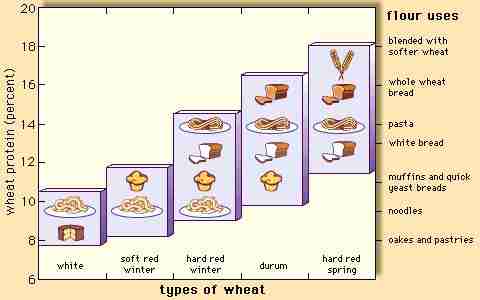
The next step in this fascinating journey is the packaging phase, where grains are thoughtfully packed to maintain freshness during transportation. Storage conditions are paramount, ensuring that the quality is preserved from the warehouse to the market shelves. The understanding of grain types, from quinoa to wheat, is vital to know their potential applications in culinary practices. To illustrate the journey, here’s a simple comparison of common grains and their processing techniques:
| Grain Type | Harvesting Method | Processing Technique | Common Use |
|---|---|---|---|
| Wheat | Combine Harvester | Milling | Breads, Pastas |
| Rice | Manual/Paddy Field | Paddy Hulling | Side Dishes, Sushi |
| Oats | Harvesting Machine | Steaming and Dehulling | Porridge, Granola |
| Quinoa | Manual/Mechanical | Winnowing | Salads, Grain Bowls |
Understanding the Methods of Cereal Processing
Cereal processing encompasses a variety of methods that transform raw grains into consumable products, improving their shelf-life, flavor, and nutritional value. The journey begins with cleaning, where impurities such as dirt and stones are removed. Subsequently, grains may undergo milling, a crucial step that breaks down whole grains into finer particles for various uses. Depending on the desired end product, processes like toasting, flaking, or extrusion introduce unique textures and flavors. Each of these methods not only enhances the appeal of cereals but also affects the overall digestibility and nutrient availability for consumers.
Another pivotal aspect of cereal processing is fortification. This involves adding vitamins and minerals to enhance the nutritional profile of the finished product, which plays a significant role in combating nutrient deficiencies in populations. Methods like dry milling and wet milling further allow for the creation of diverse products such as flour, polenta, or corn syrup, catering to different culinary needs. The table below summarizes some common processing methods and their effects on the final cereal products:
| Processing Method | Outcome | Uses |
|---|---|---|
| Cooking | Softens grains | Ready-to-eat cereals, oatmeal |
| Flaking | Crispy texture | Breakfast cereals, snacks |
| Toasting | Enhanced flavor | Granola, specialty cereals |
Nutritional Enhancements Through Advanced Techniques
In the quest to optimize the nutritional profile of cereals, innovative methods are being adopted that extend beyond traditional processing techniques. The integration of fermentation, sprouting, and biofortification showcases a fascinating evolution in how we enhance the nutritional qualities of grains. For instance, fermentation can increase the bioavailability of essential vitamins and minerals, while sprouting activates enzymes that improve digestion and nutrient absorption. The enhancement of grains through these methods not only makes them more nutritious but also opens the door to new flavors and culinary possibilities.
Moreover, the advent of technology has paved the way for sophisticated approaches such as enzyme treatments and micronutrient fortification. Enzyme treatments can modify the grain structure, enhancing its texture for various applications in baking and cooking. On the other hand, micronutrient fortification involves adding vital nutrients like iron and zinc directly into cereal products, combating common deficiencies in populations worldwide. These advanced techniques present a symbiotic relationship between health and gastronomy, resulting in functional foods that cater to both nutritional needs and gourmet experiences.
| Technique | Description | Benefits |
|---|---|---|
| Fermentation | Natural process using microorganisms. | Increases vitamins and probiotics. |
| Sprouting | Soaking grains until they begin to germinate. | Improves digestion and boosts enzymatic activity. |
| Biofortification | Genetic and agronomic methods to increase nutrients. | Targets nutritional deficiencies in populations. |

Sustainability in Grain Transformation Practices
As the world continues to prioritize environmental stewardship, the integration of sustainability into cereal processing is becoming increasingly vital. Sustainable practices in grain transformation not only focus on minimizing waste but also emphasize resource-efficient methods that preserve the integrity of the grains. Key strategies include:
- Implementing water-saving technologies during processing
- Utilizing renewable energy sources to power machinery
- Incorporating circular economy principles by repurposing by-products
- Embracing precision agriculture to enhance crop management
The transformation of grains into nutritious food products can significantly benefit from sustainable practices. When assessing the environmental impact of these operations, we can analyze various factors that contribute to a more sustainable future. A comparative table below showcases the difference between traditional and sustainable cereal processing methods:
| Aspect | Traditional Processing | Sustainable Processing |
|---|---|---|
| Energy Consumption | High | Low (renewable sources) |
| Water Usage | Excessive | Minimized |
| By-product Management | Wasteful | Resourceful (repurposed) |
| Carbon Footprint | Significant | Reduced |
Recognizing these differences allows stakeholders in the food industry to make informed decisions about their processing methods. By championing sustainable practices, we can not only enhance the quality of our food products but also take significant strides toward ecological preservation, setting a new standard in the grain transformation landscape.
In Summary
As we conclude our journey through the intricate world of cereal processing, it becomes clear that the transformation of grains is more than just a mechanical endeavor; it is a fascinating interplay of science, tradition, and innovation. From the moment grains are harvested to their final form on grocery store shelves, every step in the processing chain is designed not only to enhance their nutritional value but also to cater to the diverse culinary needs of our global society.
Understanding these processes equips us with a deeper appreciation for the foods we consume daily, reminding us of the meticulous craftsmanship behind our favorite cereals and grains. As we continue to demand higher quality and sustainable practices, the cereal industry stands at a pivotal crossroads, challenged to adapt and innovate. By delving into the fascinating mechanisms of grain transformation, we unveil the stories and technologies that shape our meals and, ultimately, our connections to food.
As the curtain falls on this exploration, let us carry forward the knowledge gained and celebrate the vital role that cereal processing plays in feeding the world. The next time you pour a bowl of your favorite breakfast grain, take a moment to appreciate not only the flavors and textures but also the journey that brought it to your table. In a world that is increasingly conscious of what we eat, understanding the transformation of grains is not just an academic exercise; it’s a step toward more mindful consumption and a greater respect for the agricultural artisans who nurture these vital resources.




