
Corn processing is a centuries-old art that has been perfected through generations of experimentation and innovation. From the ancient civilizations of Mesoamerica to the industrial revolution of the 19th century, corn has played a vital role in human history. This article will explore the intricate process of turning humble corn kernels into a versatile ingredient that forms the backbone of countless dishes around the globe. Join us on a journey through the art of corn processing and discover the alchemy that transforms this humble grain into a culinary powerhouse.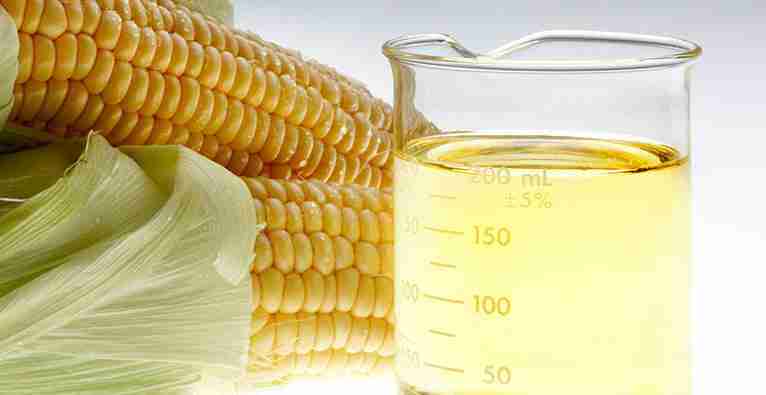
Exploring the Traditional Techniques of Corn Processing
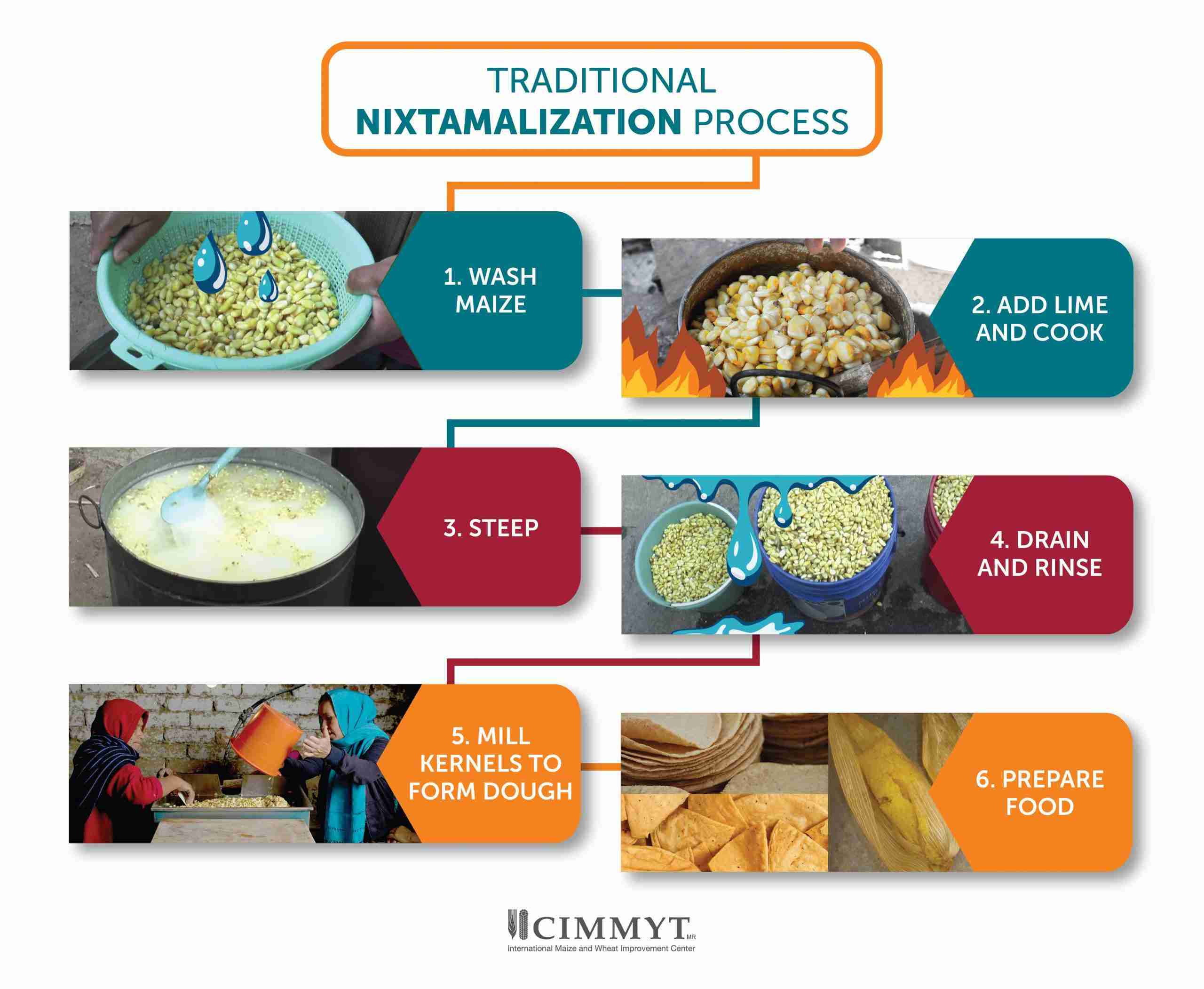
Corn processing has been an integral part of many cultures for centuries, with traditional techniques being passed down through generations. One such technique involves nixtamalization, a process in which corn is soaked and cooked in an alkaline solution, typically made from limestone or wood ash. This process not only helps to soften the corn but also enhances its nutritional value by making essential nutrients more bioavailable.
Another traditional technique of corn processing is grinding the nixtamalized corn to create masa, a dough used in the production of various corn-based products such as tortillas, tamales, and sopes. This labor-intensive process often involves using a metate, a large flat stone, to grind the corn into a fine paste. The art of corn processing is not only a culinary tradition but also a cultural practice that showcases the importance of corn in many societies around the world.
Unlocking the Potential of Nixtamalization in Corn Preparation
Corn has been a staple food in many cultures for centuries, and one of the most fascinating processes in corn preparation is nixtamalization. This ancient technique involves soaking dried corn kernels in an alkaline solution, typically made from slaked lime, before cooking them. The result is a corn product that is not only more nutritious but also easier to digest.
By unlocking the potential of nixtamalization, we can enhance the flavor, texture, and nutritional value of corn-based dishes. This traditional method transforms corn into masa, the dough used to make tortillas, tamales, and other delicious dishes. With the right techniques and ingredients, nixtamalization can elevate the humble corn kernel into a versatile and delectable ingredient for culinary creations.

Utilizing Modern Innovations for Improved Corn Milling
Corn milling has come a long way thanks to modern innovations that have revolutionized the process. Utilizing cutting-edge technology has allowed for more efficient and effective methods of processing corn, leading to higher quality products and improved yields. With the latest advancements in machinery and techniques, corn milling has evolved into a sophisticated art form that requires skill and precision to achieve optimal results.
By harnessing the power of automation and digital control systems, corn milling facilities are able to streamline operations and maximize output. Innovations such as computerized milling machines and automated packaging systems have simplified the production process, reducing the risk of errors and increasing overall efficiency. Additionally, the integration of advanced monitoring and quality control systems ensures that each batch of corn products meets the highest standards of excellence, providing consumers with superior quality products every time.

Expert Tips for Perfecting Homemade Corn Products
When it comes to perfecting homemade corn products, there are a few expert tips that can take your creations to the next level. One key tip is to always use fresh corn that is in season for the best flavor and texture. Another important tip is to properly cook and process the corn to bring out its natural sweetness and flavor.
For making delicious corn tortillas, masa harina is a must-have ingredient. It is a special type of corn flour made from dried corn kernels that have been cooked in an alkaline solution. This process, known as nixtamalization, gives the corn a unique flavor and texture that is essential for authentic corn tortillas. To shape the tortillas, use a tortilla press for uniform thickness and perfect round shape. Lastly, cook the tortillas on a hot griddle or skillet until they are slightly browned and puffed up.
To Wrap It Up
As we wrap up our exploration of the art of corn processing, we have discovered the fascinating techniques and traditions that have been passed down through generations. From ancient civilizations to modern industrial practices, corn has played a vital role in human history and continues to be a staple in cultures around the world. Whether you’re grinding corn for masa, making popcorn, or enjoying a freshly baked cornbread, the versatility of this humble grain never ceases to amaze. So next time you sit down to enjoy a meal, take a moment to appreciate the artistry and skill that goes into processing this truly remarkable ingredient. Thank you for joining us on this journey through the world of corn processing.




