The Art and Science of Cereal Milling: Grains to Goodness
In the quiet hum of grain mills,where tradition meets innovation,the journey from raw grains to the nourishing products we enjoy today unfolds. Every kernel tells a story—one of cultivation, harvest, and meticulous processing that transforms humble seeds into staples of our diet. “The Art and Science of Cereal Milling: Grains to Goodness” embarks on an exploration of this complex craft, revealing the intricate blend of techniques and technology that shape our everyday foods. From the rhythmic grinding of wheat to the careful blending of flavors, the process of milling is as much an art form as it is a scientific endeavor.Join us as we delve into the engaging world of cereal milling, where age-old practices coexist with cutting-edge technologies, ultimately connecting us to the very essence of nourishment.

The Journey of Grains: From Field to Flour
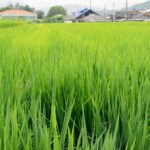
The journey of grains begins in the rich tapestry of farmland, where various seeds are sown in the nurturing embrace of Mother Nature. Farmers meticulously tend to their crops, ensuring that every grain experiences optimal sunlight, moisture, and nutrients. As they grow, the grass-like stalks sway in the breeze, whispering secrets of their impending conversion. Onc harvested, the grains embark on a new chapter—one that will see them undergo a fascinating metamorphosis. after being collected, they are subjected to rigorous cleaning processes that remove impurities such as dirt, stones, and old plant matter, paving the way for the artistry of milling.
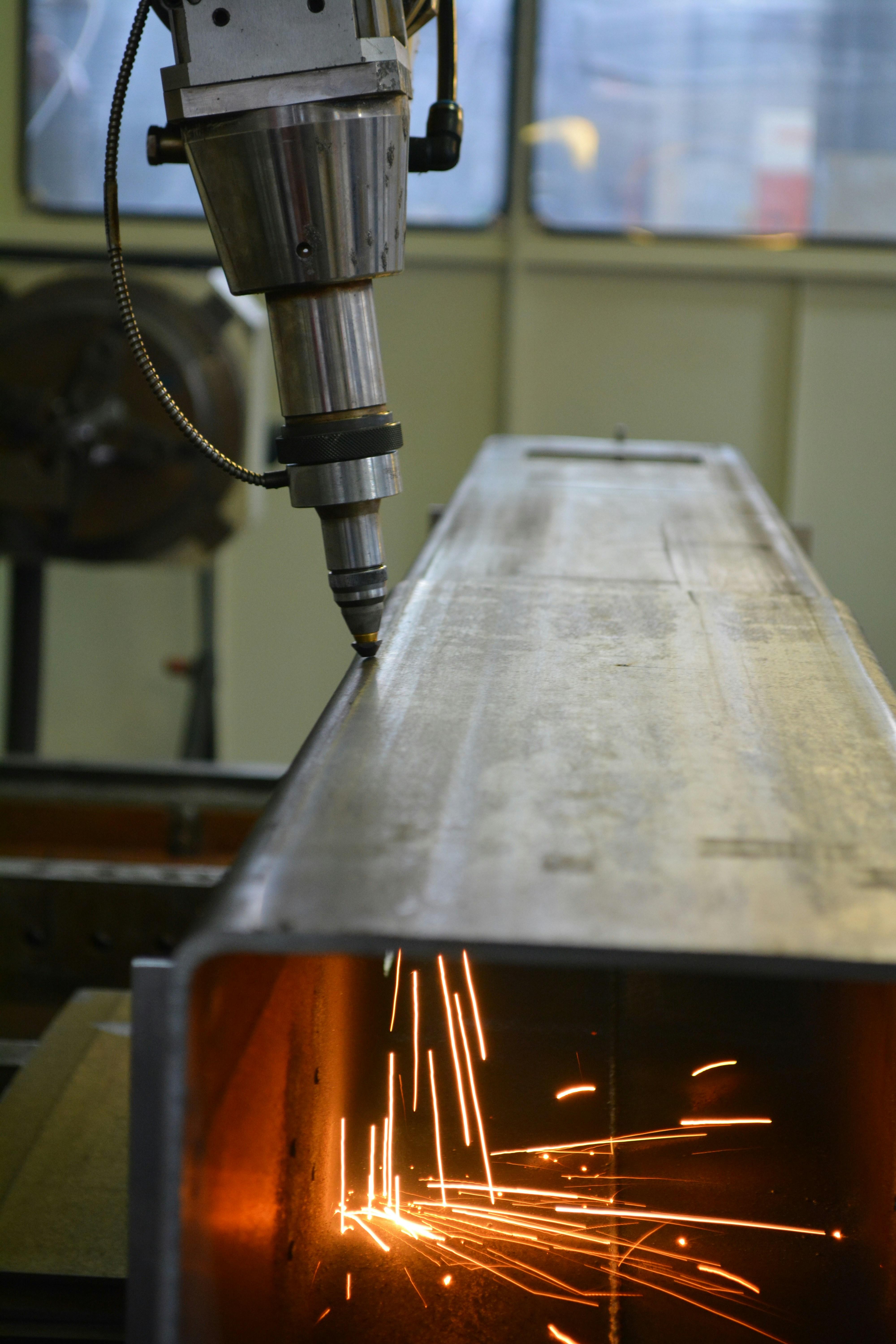
As grains move into milling facilities, the atmosphere changes; machinery hums with promise, welcoming the bounty from the fields. This stage of the journey involves precise control and scientific expertise. The grains are ground, sifting through various stages of refinement to achieve the desired texture and consistency. Key processes here include tempering to add moisture, ensuring the grains are at the perfect level for milling, and grinding to create various flour types—from coarse whole grain to fine white flour. The final step results in a finely crafted product that forms the basis for countless culinary delights, with each type of flour offering its own unique qualities for baking and cooking.
| Type of Grain | Common Uses | Nutritional Benefits |
|---|---|---|
| Wheat | Bread, Pasta, Pastries | High in protein and fiber |
| Rye | Bread, Crackers | High in antioxidants |
| Corn | Polenta, Tortillas | Rich in vitamins A and C |
Understanding the Milling Process: Techniques and Innovations
Nutritional Powerhouses: Enhancing Health Through Whole Grains
Whole grains are ofen regarded as the cornerstone of a healthy diet, and for good reason. Packed with vital nutrients, they provide a robust blend of fiber, vitamins, and minerals that can play a meaningful role in overall wellness. Not only do they help regulate body weight and support digestive health, but they also have the potential to reduce the risk of chronic diseases. Integrating whole grains into daily meals can lead to profound changes in dietary habits and lifestyle, making healthful choices both enjoyable and satisfying. Here’s a look at the key nutritional benefits of whole grains:
- Fiber-rich: Aids digestion and helps maintain a healthy gut microbiome.
- Heart health: Reduces cholesterol levels and promotes cardiovascular health.
- Blood sugar control: Stabilizes blood sugar levels,reducing the risk of type 2 diabetes.
- Weight management: Keeps you fuller for longer, aiding in appetite control.
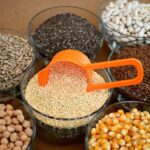
To truly appreciate whole grains, it’s essential to understand their composition and the positive impact they can have on our bodies.Whole grains contain three key parts: the bran, germ, and endosperm, each contributing to their nutritional profile. When milling grains, maintaining the integrity of these components is vital to ensuring that the health benefits are preserved. Below is a simple table highlighting popular whole grains and their unique contributions to nutrition:
| Whole Grain | Key Nutrients | Health Benefits |
|---|---|---|
| Quinoa | Protein, Iron, Magnesium | Gluten-free, supports muscle repair |
| Brown Rice | Fiber, Selenium, Manganese | Promotes satiety, antioxidant properties |
| Oats | Beta-glucans, B-vitamins, Antioxidants | Lowers cholesterol, supports heart health |
| Barley | Fiber, Iron, Phosphorus | Improves digestion, controls blood sugar |

Sustainability in Milling: Balancing Tradition with Modern Practices
In the world of cereal milling, sustainability has emerged as a pivotal concern, intertwining the intricate traditions of the craft with the pressing demands of modern environmental practices. Traditional milling methods, often revered for their craftsmanship and cultural importance, are being enhanced through innovation. To align these age-old techniques with contemporary eco-kind initiatives, millers are adopting practices that champion both efficiency and sustainability. By integrating renewable energy sources, reducing water usage, and minimizing waste, the milling industry is cultivating a new legacy that honors the past while embracing the future. This dual approach not only preserves the authenticity of grain processing but also ensures a responsible footprint on our planet.
To further advance sustainability, a focus on sourcing and cultivating grains that align with environmental stewardship has gained traction among milling communities. Innovative partnerships with farmers and agricultural experts promote a shift toward permaculture and organic farming, yielding grains that are not only healthier but also require fewer resources to produce. Key strategies include:
- Crop rotation: Enhancing soil health and biodiversity.
- Minimal tillage: Reducing soil erosion and carbon loss.
- Lasting pest management: Limiting chemical use through natural alternatives.
Through these initiatives, the collision of tradition and modernity is sculpting a new horizon in milling, reflecting a commitment to quality and sustainability that resonates deeply with consumers seeking grains that embody both heritage and conscientiousness.
in Conclusion
As we conclude our journey through the intricate world of cereal milling,it becomes clear that this process is more than just a method of grain transformation; it is indeed a harmonious blend of art and science. From the selection of the finest grains to the meticulous milling techniques, each step reflects a commitment to quality and nutrition. The transformation from raw kernels to the wholesome ingredients that grace our breakfast tables is a testament to human ingenuity and the age-old relationship we share with our food.Understanding the complexities of cereal milling not only enhances our gratitude for the foods we consume but also underscores the importance of sustainable practices in the industry. as we continue to innovate and refine these processes, we pave the way for a future where grains can provide nourishment and vitality to generations to come.
So, the next time you pour your favorite cereal or bake with flour, take a moment to recognize the journey that brought those grains from farm to table. In every bite lies a story of transformation, dedication, and the endless pursuit of goodness— a story that, while steeped in tradition, continues to evolve with the times.