
In the heart of food production lies a process often underestimated yet vital to our daily nourishment: cereal milling. This intricate interplay of art and science transforms humble grains into the flours and products that feed millions around the globe. With roots tracing back to ancient civilizations, milling has evolved from basic stone-ground methods to advanced, automated technologies that enhance efficiency and quality. In this article, we delve into the fascinating world of cereal milling, exploring the techniques that combine traditional craftsmanship with cutting-edge science. Join us as we unravel the complexities of this modern marvel, shedding light on how it sustains our diets and supports the global food industry. From the meticulous selection of grains to the sophisticated milling processes, discover the nuances that make cereal milling not just a manufacturing endeavor, but an essential craft that nourishes our lives.
Exploring the Historical Roots of Cereal Milling and Its Evolution
The journey of cereal milling stretches back thousands of years, weaving through the fabric of human civilization. Ancient civilizations, from the Mesopotamians to the Egyptians, were among the first to harness the art of milling, utilizing simple tools like handstones and mortars to grind grains into flour. Primitive milling techniques not only provided sustenance but also served as cornerstones for agricultural innovation and trade. As societies advanced, so did the complexity of their milling processes, leading to the creation of watermills and windmills during the Middle Ages, which dramatically increased efficiency. The transition from handcrafted to mechanized milling represents a significant leap in food production, marking a pivotal point in the progress towards modern culinary practices.
With the onset of the Industrial Revolution, cereal milling transformed into a sophisticated field, incorporating scientific principles and advanced technology to refine the process further. Milling techniques became more specialized, resulting in various flour types tailored for different culinary applications. For example, the advent of roller milling in the 19th century revolutionized grain processing, enabling large-scale production with improved quality and consistency. This evolution not only allowed bakers to create better bread and pastries but also laid the groundwork for subsequent innovations in food safety and preservation. Today, modern milling mills incorporate automation and precision engineering, illustrating a remarkable blend of tradition and technology that continues to shape our global food landscape.
| Era | Milling Technology | Key Contributions |
|---|---|---|
| Ancient Times | Handstones, Mortars | First cereal processing methods |
| Middle Ages | Watermills, Windmills | Increased efficiency in milling |
| Industrial Revolution | Roller Milling | Mass production of quality flour |
| Modern Era | Automated Mills | Precision and food safety improvements |
Understanding the Milling Process: Techniques and Technologies Behind the Grain
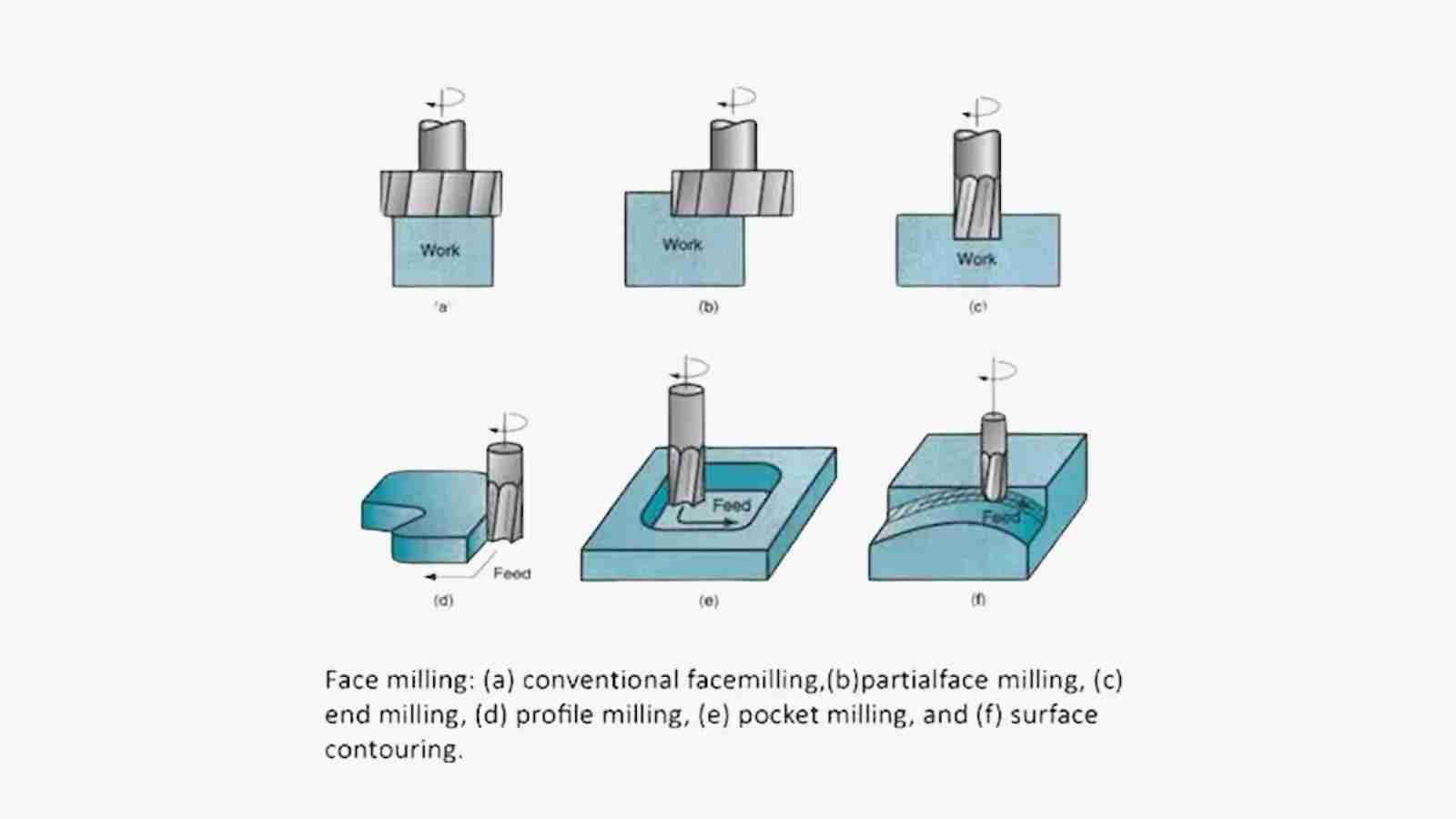
The milling process transforms raw grains into the flour and meal that form the backbone of countless food products. At its core, this meticulous procedure emphasizes both art and science, combining ancient techniques with cutting-edge technologies. The principles of milling include understanding the characteristics of the grain, the different milling methods, and the equipment involved, which is essential in determining the end product’s quality and purity. Key techniques used in the milling process encompass:
- Grinding: Breaking down the grain into smaller particles.
- Sifting: Separating fine flour from coarser particles.
- Purifying: Removing bran and germ layers for a finer flour.
Modern milling facilities utilize state-of-the-art technology and automation to enhance efficiency and precision. The integration of computer-controlled systems allows for precise adjustments based on grain quality and desired flour specifications. Furthermore, each step in the milling process is carefully monitored, ensuring consistency in the final product. To better illustrate the various types of milling processes and their applications, consider the following table:
| Milling Type | Description | Common Applications |
|---|---|---|
| Stone Milling | Traditional method using stones for a coarse, nutritious flour. | Whole grain flours, specialty products. |
| Roller Milling | Modern method using steel rollers for fine, uniform flour. | Commercial baking, pasta production. |
| Impact Milling | Utilizes high-speed rotating blades for quick flour production. | Instant products, specialty flours. |
Nutritional Considerations: Balancing Quality and Health in Milled Products
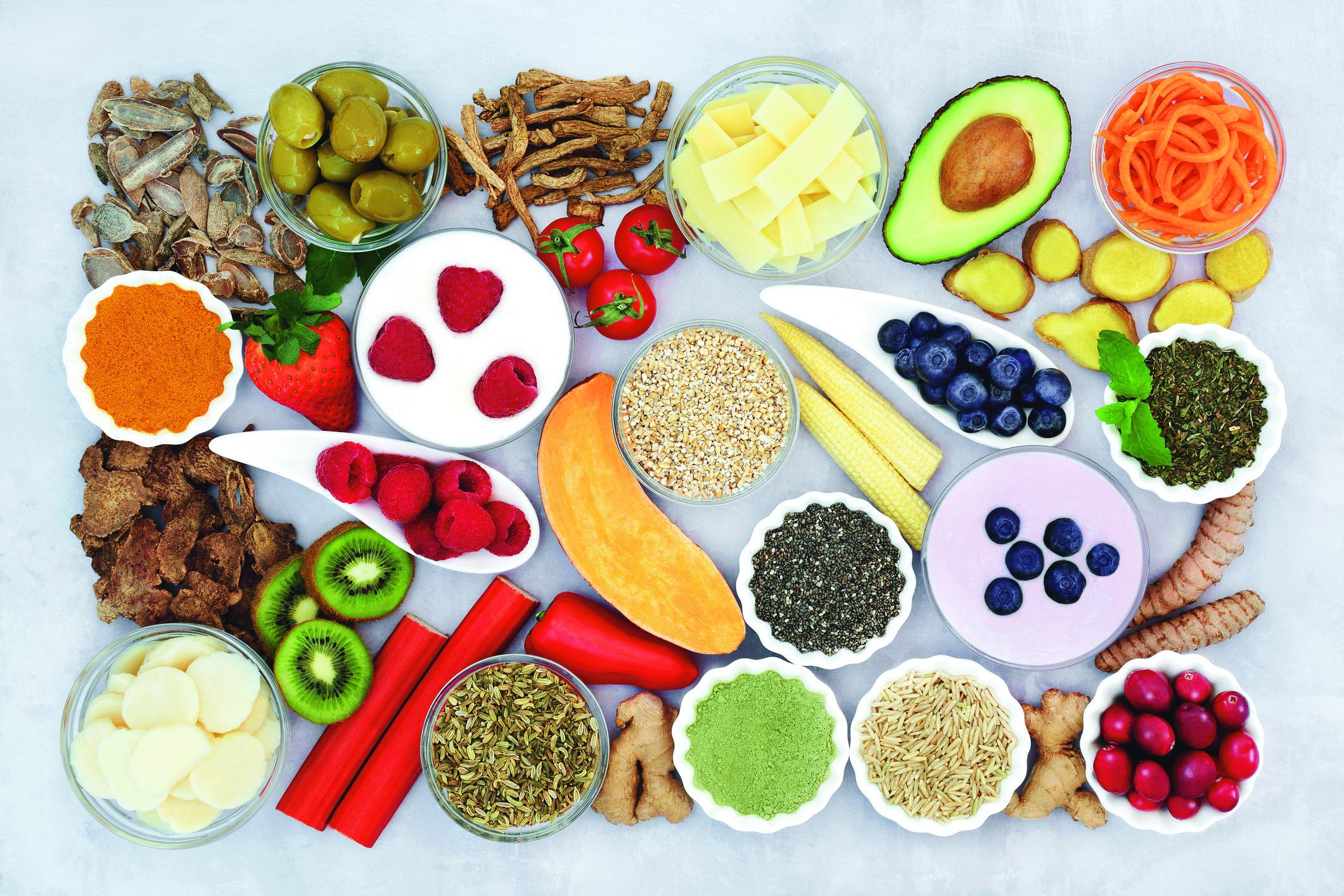
The journey from grain to flour encompasses not just the art of milling, but also the nuanced science behind nutritional integrity. A careful balance between quality and health is essential in producing milled products that not only meet consumer expectations but also contribute positively to overall well-being. When selecting grains, it’s crucial to consider their nutritional profiles. High-protein varieties, such as quinoa, can bolster the protein content of flour, while whole grains provide essential fibers and micronutrients. Key aspects of nutritional consideration include:
- Whole vs. Refined Grains: Whole grains retain their bran and germ, offering more vitamins, minerals, and fiber compared to refined options.
- Fortification: The addition of vitamins and minerals during the milling process can enhance the nutritional value of the final product, addressing specific dietary deficiencies in certain populations.
- Glycemic Index: The milling process affects the glycemic index of flour, which is a crucial consideration for those managing blood sugar levels.
Furthermore, the milling method influences not only the texture and flavor but also the nutrient bioavailability. Techniques such as stone milling preserve more nutrients but may require adjustments in baking characteristics. It’s also important to pay attention to the fat content in grains, particularly in whole grains, as oils present in the germ can lead to rancidity if not properly stored. This complexity highlights the need for a holistic approach to milling, merging culinary traditions with modern dietary science. A summarized view of common grains and their nutritional offerings is illustrated below:
| Grain Type | Protein (g/100g) | Fiber (g/100g) | Key Vitamins |
|---|---|---|---|
| Whole Wheat | 12.6 | 12.2 | B Vitamins, Vitamin E |
| Quinoa | 14.1 | 7.0 | Magnesium, Iron |
| Brown Rice | 2.6 | 3.5 | Thiamine, Niacin |

Innovations in Cereal Milling: Sustainable Practices for a Modern Industry
In the quest for a greener planet, the cereal milling industry has embarked on an ambitious journey towards sustainability. Modern mills are embracing cutting-edge technologies that not only enhance productivity but also minimize environmental impacts. Renewable energy sources, such as solar and wind, are being integrated into milling operations, allowing facilities to run more efficiently while reducing reliance on fossil fuels. Additionally, advancements in water recycling processes are ensuring that less water is consumed during milling, significantly lowering the industry’s carbon footprint.
Furthermore, many mills are implementing zero waste policies that transform byproducts into valuable ingredients. For instance, bran and germ, often discarded, are being repurposed into animal feeds or health supplements. This not only supports a circular economy but also opens new revenue streams for millers. Innovations such as smart milling systems leverage artificial intelligence to optimize production schedules and reduce waste, while ensuring consistent quality. The evolution of cereal milling is indeed a testament to how melding tradition with technology can create a conscientious industry poised for the future.
Key Takeaways
As we conclude our exploration of the intricate dance between art and science that defines cereal milling, it’s evident that this age-old process has evolved into a modern marvel of innovation and precision. The centuries-old traditions of grinding grains have seamlessly integrated with cutting-edge technology, resulting in a product that not only nourishes but also inspires culinary creativity around the globe.
From the meticulous selection of raw grains to the sophisticated machinery that ensures consistent quality, every aspect of cereal milling plays a crucial role in shaping the foods we cherish. As we navigate a world that increasingly values sustainability and efficiency, the future of milling beckons with exciting advancements poised to enhance our connection to food.
In witnessing this journey, we are reminded that behind every bowl of cereal lies a complex world of craftsmanship and scientific inquiry—a testament to human ingenuity and the enduring bond we share with the grains that nurture us. The next time you pour a bowl of your favorite cereal, take a moment to appreciate the remarkable process that brought it to your table, and consider how this modern marvel continues to evolve, reflecting our changing tastes and values in a dynamic culinary landscape.




