Milling Marvels: The Art and Science of Cereal Production
In the gentle embrace of dawn, as the world awakens to the soft rustle of cereal grains swaying in the morning breeze, an age-old craft comes alive. From the sun-drenched fields to the steady hum of milling machinery, the journey of cereal production is a testament to humanityS ingenuity and resilience. Behind each bowl of breakfast cereal lies a engaging fusion of art and science—a delicate interplay of agricultural practices, technological advancements, and culinary creativity.
This article invites you to explore the captivating world of cereal production, where tradition meets innovation.We will delve into the meticulous processes that transform humble grains into beloved staples, illuminating the intricate techniques and expert skills that characterize this vital industry. Join us as we celebrate the milling marvels that not only nurture our bodies but also tell the story of civilization itself, shaped by the rhythms of nature and the aspirations of those who cultivate it.

The Historical Journey of Cereal Milling Techniques
The journey of cereal milling is a fascinating chronicle of human innovation and adaptation. It dates back to ancient civilizations where early farmers relied on rudimentary tools made from stones to crush grains. These primitive methods,while effective,evolved considerably over centuries,driven by the need for efficiency and quality in food production. By the time of the Egyptians, large stone wheels were used, representing a leap towards more sophisticated milling techniques. The invention of the watermill during the Roman Empire marked a pivotal point in cereal milling, enabling mass production and revolutionizing how flour was obtained. This mechanization paved the way for further advancements in milling technology, including the advent of steam and electric power in the 19th century, which allowed for even greater scalability and consistency in grain processing.
as milling technology progressed, so did the understanding of grain properties and milling techniques. Key innovations emerged, such as the introduction of roller mills in the late 19th century, which transformed the industry with their ability to produce finer and more uniform flour. These roller mills utilized a series of grinding and sifting processes that elevated milling to a science, enhancing both the physical and nutritional qualities of flour. Today, modern milling combines customary methods with cutting-edge technology, utilizing computerized systems for precision and quality control. The result is a spectrum of milling styles tailored to meet diverse consumer needs,from artisanal whole grains to commercial flour varieties. This continual refinement of techniques reflects a rich tapestry woven from history, culture, and scientific advancement.

Innovative Technology Shaping Modern Cereal Processing
In the realm of cereal processing, technology is not just a tool; it is indeed a catalyst for innovation and efficiency.Advanced automation systems are now at the forefront of milling operations, employing artificial intelligence to enhance grain sorting and classify quality seamlessly. These intelligent algorithms analyze a multitude of factors—such as moisture content, kernel integrity, and grain size—allowing producers to optimize production while minimizing waste. Furthermore,precision equipment,including laser-based measurement systems,ensures that every granule meets exact specifications,leading to superior end products and consumer satisfaction.
Additionally, the integration of sustainable practices is paving the way for eco-friendly processing methods. Utilizing energy-efficient machinery and implementing renewable energy sources are key practices in modern cereal milling.The following technologies play a notable role in this transformation:
- Sensors and IoT: Continuous monitoring of water usage and energy consumption.
- Biotechnology: Enzymatic treatments to enhance flour quality without chemical additives.
- Blockchain: Ensuring traceability and transparency in supply chains.
To illustrate the impact of these technologies, the table below compares traditional cereal processing methods with modern innovations:
| Aspect | Traditional Methods | Modern Innovations |
|---|---|---|
| energy consumption | High | Low, with renewable sources |
| Waste Generation | Significant | Minimized through recycling |
| Production Speed | Slow | Rapid and automated |
Nutritional Considerations in Cereal Production
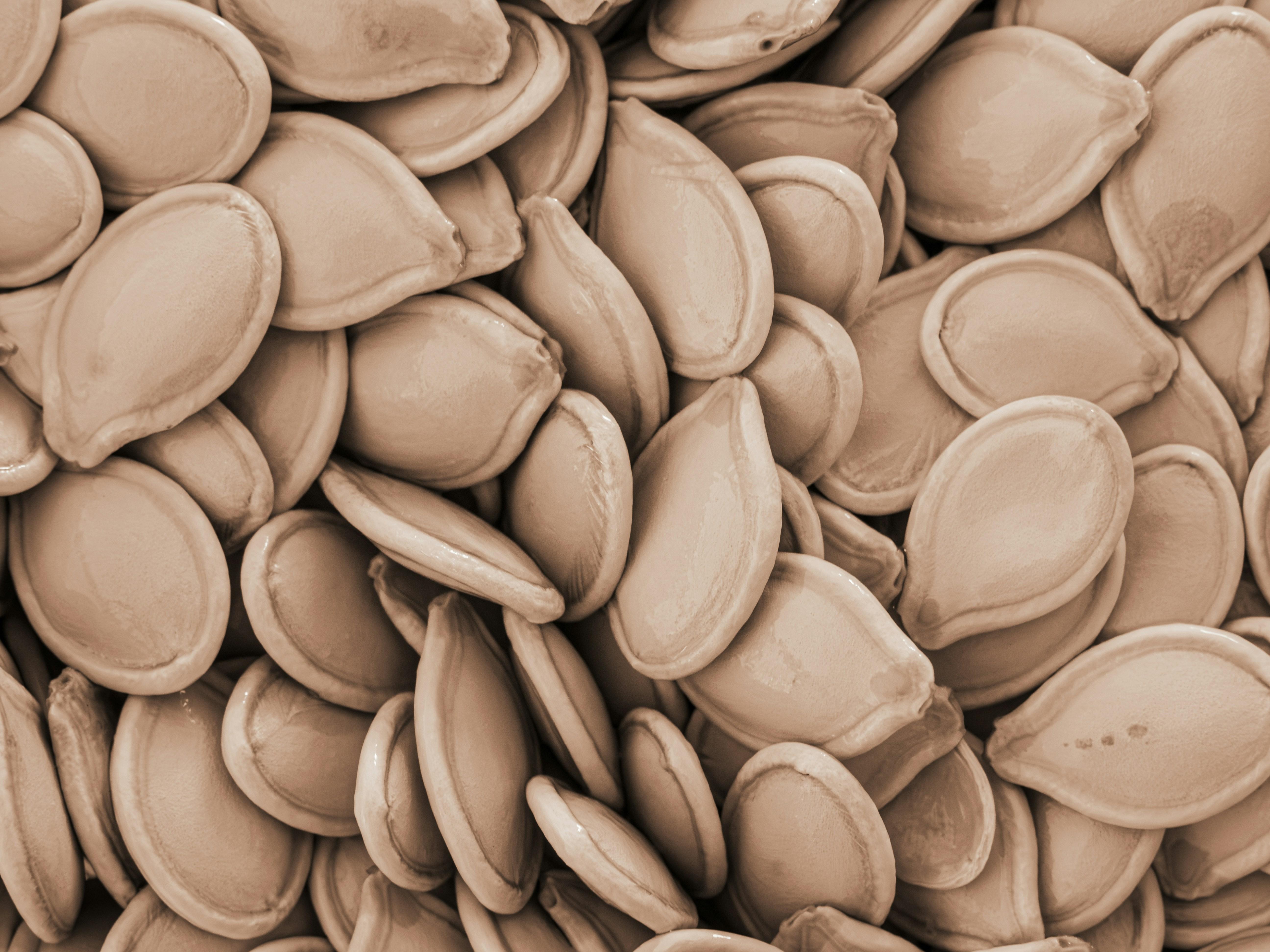
Cereal production is not merely an exercise in agronomy; it also requires a deep understanding of the nutritional elements that grains can offer. The composition of cereals affects everything from energy content to essential vitamins and minerals. Processing methods can enhance or diminish these nutrients, making it crucial for producers to strike a balance between preservation and enhancement. Vital nutritional components include:
- Carbohydrates: The primary energy source found in cereals, providing necessary fuel for daily activities.
- Proteins: Essential for growth and repair, cereals can be fortified to improve their protein profile.
- Vitamins and Minerals: B vitamins, iron, and magnesium are critical for metabolic functions and red blood cell production.
- Dietary Fiber: Promotes digestive health and helps maintain a healthy weight.
Moreover, the milling process has significant implications for the nutritional profile of cereals. Whole grains retain the bran and germ, preserving vital nutrients that are otherwise lost when grains are refined. This refinement frequently enough leads to enhanced shelf life and improved baking properties but can compromise nutrient density. Assessing the impacts of various milling techniques allows producers to offer products that align with consumer health trends. A comparison of nutrient content in whole and refined grains provides a clearer picture of what consumers receive:
| cereal Type | Fiber (g) | protein (g) | Iron (mg) |
|---|---|---|---|
| Whole Wheat | 12.2 | 13.2 | 4.0 |
| White Wheat | 2.7 | 10.0 | 0.5 |
| Brown Rice | 3.5 | 2.5 | 0.4 |
| White Rice | 0.6 | 2.7 | 0.2 |

Sustainable Practices for Future-Ready Milling Operations
As milling operations continue to evolve, integrating environmental consciousness into production processes has become paramount. The adoption of sustainable practices is not just a necessity but a strategic advantage that can enhance both efficiency and brand reputation. By focusing on renewable energy sources, mills can drastically reduce their carbon footprint. Options such as solar panels and wind turbines can be utilized to power machinery, while energy-efficient equipment helps minimize wastage. Furthermore, sourcing grain from local farmers not only decreases transportation emissions but also fosters community support and strengthens the supply chain.
Water conservation is another crucial aspect of sustainable milling. Implementing systems for rainwater harvesting and optimizing water usage through advanced filtration technologies can significantly lower water consumption. Additionally, utilizing by-products like bran and germ not only maximizes resource efficiency but also contributes to a circular economy. Mills can also choose to invest in biodegradable or recyclable packaging solutions, making their products more appealing to environmentally conscious consumers. By collectively embracing these practices, milling operations can not only prepare for the future but become leaders in sustainable food production.
| Practice | Benefit |
|---|---|
| Renewable Energy | Reduces carbon footprint |
| Water Conservation | Lowers consumption and operational costs |
| Local Sourcing | Strengthens community ties and supports sustainability |
| Recyclable Packaging | Appeals to eco-conscious consumers |
In Summary
As we conclude our exploration of “Milling Marvels: The Art and Science of Cereal Production,” it’s clear that this intricate process is a harmonious blend of tradition and innovation. From the golden fields of sun-kissed grains to the meticulous precision of milling techniques, the journey of cereal—from farm to table—embodies the dedication of countless individuals and the advancement of technology.
understanding the complexities of cereal production not only deepens our appreciation for the foods we frequently enough take for granted but also highlights the ongoing commitment to sustainability and quality in the industry. As we continue to embrace new methodologies and address the challenges of tommorow, the world of milling stands at the forefront of nourishing our global population.
So, the next time you pour a bowl of your favorite cereal, take a moment to savor not just the taste but the rich tapestry of science, craftsmanship, and culture woven into every bite. The milling marvels of this world evoke a sense of gratitude for the hidden heroes behind our daily nourishment, reminding us that each meal carries a story deserving of our respect.