
Maize Milling Secrets: From Field to Flour on Your Table
In the heart of the world’s agricultural landscapes, a golden crop sways gently in the breeze, its kernels rich with potential. Maize, known by many names and cherished in myriad cultures, is more than just a staple food; it is a symbol of sustenance, tradition, and innovation. Yet, the journey from ear of corn to the flour that graces our tables is a meticulous one, shrouded in processes both ancient and modern.
In this exploration of maize milling, we peel back the layers of this versatile grain, revealing the secrets and techniques that transform it from field to flour. Discover the uncharted pathways that maize takes, from the budding plant basking in the sun to the grinding stones that yield the fine powder used in our favorite dishes. The story of maize milling is not just about the mechanics; it is about the artisans, the environment, and the relentless pursuit of quality that brings this essential ingredient into our kitchens. Join us as we delve into the fascinating world of maize milling, where each turn of the mill whispers tales of tradition, innovation, and the spirit of food.
Unlocking the Nutritional Benefits of Freshly Milled Maize
Freshly milled maize is not just a basic ingredient; it’s a treasure trove of nutrients waiting to be unlocked. The milling process preserves a remarkable range of vitamins and minerals essential for a balanced diet. When maize is ground shortly after harvesting, it retains its natural oils, leading to increased levels of vitamin E, essential fatty acids, and various antioxidants. Unlike mass-produced flours that undergo extensive processing, freshly milled maize is rich in:
- Fiber: Supports digestive health and helps maintain a feeling of fullness.
- Protein: Vital for muscle repair and growth.
- Minerals: Such as magnesium and phosphorus, crucial for bone health.
- B Vitamins: Important for energy metabolism and overall well-being.
To make the most of these health benefits, consider incorporating freshly milled maize into everyday recipes. Whether you’re making cornbread, tortillas, or porridge, the fresh flavor and nutrients of the maize will elevate your meals. Below is a simple comparison of the nutritional content between freshly milled maize and conventional maize flour:
| Nutrient | Freshly Milled Maize | Conventional Maize Flour |
|---|---|---|
| Fiber (per 100g) | 7g | 3g |
| Vitamin E (per 100g) | 1.5mg | 0.1mg |
| Protein (per 100g) | 9g | 7g |
This simple comparison highlights the enhanced health profile of freshly milled maize, proving that selecting high-quality ingredients can significantly impact nutritional intake while indulging in the rich flavors of wholesome dishes.
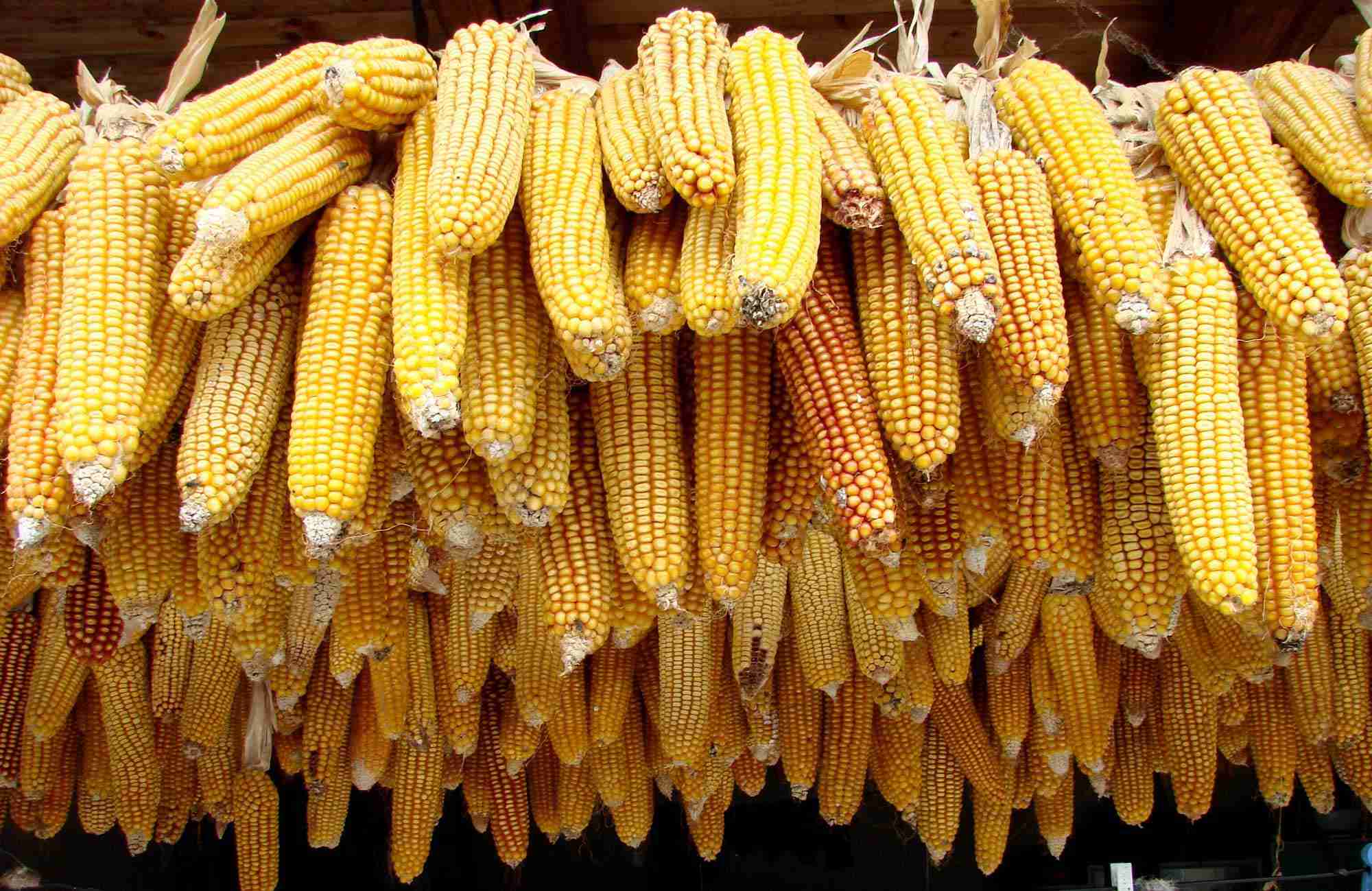
The Journey of Maize: Choosing the Right Varieties for Milling
Embarking on the journey from maize field to milling process requires keen attention to the selection of maize varieties. Each variety possesses distinctive attributes that can significantly impact the flavor, texture, and versatility of the flour produced. As you delve into the world of maize, consider these key factors:
- Kernel Color: The color of the maize can influence both the appearance of the flour and the final product, with yellow and white varieties presenting different culinary applications.
- Endosperm Type: Whether hard or soft, the endosperm affects the milling process and the flour’s suitability for various recipes—from tortillas to baked goods.
- Moisture Content: Selecting maize with the optimal moisture level ensures better storage and milling outcomes, reducing the risk of spoilage.
A well-curated selection of maize not only leads to superior flour but also promotes sustainability in agricultural practices. The journey can be optimized by understanding the relationship between variety characteristics and milling techniques. Here’s a brief comparison of popular maize varieties to consider:
| Variety | Kernel Color | Endosperm Type | Usage |
|---|---|---|---|
| Yellow Dent | Yellow | Hard | Grilling, Baking |
| White Corn | White | Soft | Tortillas, Polenta |
| Blue Corn | Blue | Medium | Unique Baked Goods |

Essential Milling Techniques for Optimal Flour Quality
When it comes to milling maize into flour, understanding the essential techniques can significantly enhance the quality of the final product. One crucial factor is the selection of the right maize varieties. Different strains have unique qualities that directly impact flavor, texture, and nutritional value. Additionally, the condition of the maize kernels at the time of milling is paramount. Freshly harvested, properly dried, and stored kernels are less susceptible to spoilage and yield higher-quality flour. To achieve optimal results, it’s recommended to maintain strict hygiene practices throughout the milling process.
Another vital aspect of maize milling is the grinding mechanism used. Whether opting for traditional stone mills or modern roller mills, each method has its own benefits and nuances. Stone mills tend to preserve more natural oils and flavors, producing a coarser flour, while roller mills provide a finer and more uniform texture. To further refine the milling outcome, incorporating a series of sifting processes can separate finer flour from bran and germs, which can then be recombined if desired. Here’s a simple table that outlines some common milling techniques and their effects:
| Milling Technique | Texture | Flavor Profile |
|---|---|---|
| Stone Milling | Coarse | Rich and nutty |
| Roller Milling | Fine | Milder |
| Hammer Milling | Variable | Depends on settings |

Incorporating Fresh Mill Flour into Your Daily Cooking
Integrating fresh mill flour into your daily culinary routine can transform your meals, elevating both texture and flavor. Begin by substituting fresh flour in your favorite recipes, starting with basic staples like pancakes, bread, and pasta. The richness of freshly milled flour not only enhances the taste but also provides a delightful aroma that store-bought alternatives often lack. Experiment with various grains to discover unique flavors and nutritional benefits—corn, rye, and spelt can all bring distinct characteristics to your cooking.
Consider using fresh flour for more adventurous dishes as well. Here are some ideas to spark your creativity:
- Homemade Tortillas: Fresh corn flour makes for soft, flavorful tortillas that are perfect for any meal.
- Pizza Dough: Use whole wheat or blended flour for an inviting crust with a nutty flavor.
- Quick Breads: Incorporating fresh mill flour in banana bread or zucchini bread adds a heartiness that is hard to resist.
For reference, here’s a simple table highlighting some common uses for different types of fresh flour:
| Type of Fresh Flour | Best Uses |
|---|---|
| Whole Wheat | Breads, muffins, pancakes |
| White Corn | Tortillas, cornbread, empanadas |
| Rye | Rye bread, crackers, gravies |
| Spelt | Pasta, cookies, pizza dough |
The Way Forward
As we draw the curtain on our exploration of “Maize Milling Secrets: From Field to Flour on Your Table,” we hope to have illuminated the intricate journey this humble grain undertakes—from its roots in sunlit fields to the comfort of your kitchen. Each kernel carries with it a story of agricultural dedication, traditional practices, and contemporary technology, all converging to transform simple maize into the versatile flour that so many of us rely on.
As you savor your next meal, take a moment to appreciate the unseen craftsmanship involved, for it’s more than just a process; it’s a blend of heritage, science, and artistry. With this newfound awareness, may your culinary adventures be enriched, and your recipes inspired—because every great dish starts with quality ingredients and a touch of understanding. Whether you’re baking, cooking, or experimenting, remember that the journey from field to flour is a secret well worth sharing. Happy milling!




