
Step inside the fascinating world of corn processing, where kernels are transformed into a wide array of products that play a crucial role in our daily lives. From sweet corn on the cob to corn flakes for breakfast, the journey of corn through various processing techniques is a complex and intricate one. Join us as we delve deep into the inner workings of this essential industry and discover the hidden secrets behind the transformation of corn into the products we know and love.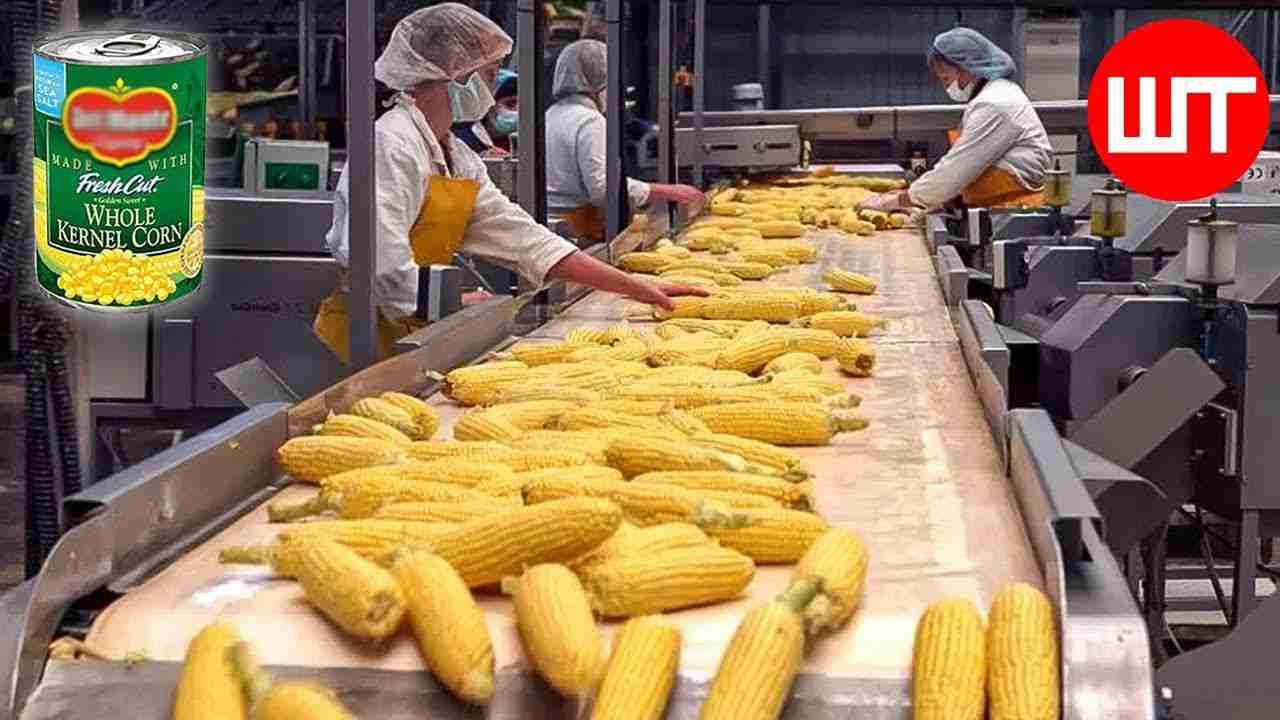
Exploring the Different Methods of Corn Processing
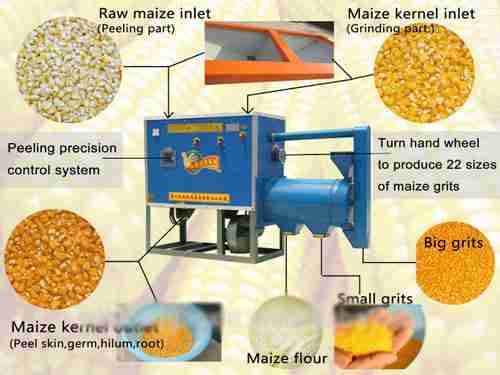
When it comes to corn processing, there are a variety of methods that are used to transform this versatile crop into a wide range of products. One popular method is wet milling, where the corn is soaked in water and then ground into a fine paste. This paste is then separated into its components such as starch, protein, and fiber through a series of steps. Another common method is dry milling, which involves grinding the corn into a coarse powder and then separating the components.
For those looking for a more specialized approach, there is also the option of dry-grind ethanol production. This method involves fermenting the starch in the corn to produce ethanol, which is commonly used as a biofuel. On the other hand, corn syrup production involves breaking down the starch in corn into glucose through enzymatic processes. These are just a few examples of the many methods that are used in the fascinating world of corn processing.
The Impact of Corn Processing on Food Production
Corn processing plays a crucial role in the production of a wide range of food products. From corn syrup to cornmeal, is vast and varied. One major way in which corn processing affects food production is through the creation of ingredients that are used in countless recipes and dishes around the world. Corn starch, for example, is a common thickening agent used in soups, sauces, and gravies, while corn oil is a key ingredient in many packaged snacks and baked goods.
Another important aspect of corn processing is the creation of byproducts that can be used in animal feed and other applications. Corn gluten meal, corn gluten feed, and distillers grains are all examples of byproducts that are derived from corn processing and play a crucial role in the agriculture and livestock industries. Overall, the world of corn processing is a complex and fascinating one that has a significant impact on the food we eat every day.

Maximizing Efficiency in Corn Processing Plants
Corn processing plants play a crucial role in the food industry, ensuring that raw corn is transformed into various products that we consume daily. To maximize efficiency in these plants, it is essential to streamline processes and implement innovative technologies. One way to achieve this is by optimizing the production line to reduce downtime and increase output.
Additionally, investing in automation can help speed up processing times and improve accuracy in measuring ingredients. By integrating advanced machinery and robotics, corn processing plants can enhance overall efficiency and quality control. It is also important to prioritize maintenance schedules to prevent breakdowns and ensure continuous operation. With the right strategies in place, corn processing plants can operate smoothly and meet the growing demands of the market.

Innovations in Sustainable Corn Processing Technology
Corn processing technologies have been evolving rapidly in recent years, with a strong focus on sustainability and efficiency. One of the most innovative approaches that has gained traction in the industry is the use of enzyme-assisted milling. By leveraging the power of enzymes, corn can be processed more efficiently, reducing energy consumption and waste production.
Another exciting development in sustainable corn processing technology is the integration of IoT sensors into processing equipment. These sensors allow for real-time monitoring of various parameters such as temperature, moisture levels, and energy usage. By collecting and analyzing this data, processors can optimize their operations, reduce costs, and minimize their environmental footprint.
Closing Remarks
As we delve deeper into the fascinating world of corn processing, it becomes clear that this versatile crop plays a crucial role in our daily lives. From fueling our vehicles to filling our bellies with delicious snacks, corn processing is a complex and intricate process that touches every aspect of modern society. So the next time you bite into a corn chip or fill up your gas tank, take a moment to appreciate the incredible journey that corn has taken from the fields to your hands. The world of corn processing may be hidden from plain view, but its impact on our lives is undeniable. Let’s continue to explore and appreciate the intricate world of corn processing, one kernel at a time.




