Harvesting Innovation: The Art and Science of Corn Processing
in the sprawling fields of the American Midwest and beyond, corn rises from the earth as more than just a staple crop; it stands as a testament to human ingenuity and agricultural evolution. With its origins tracing back over 9,000 years, maize has journeyed from sacred grain to a cornerstone of global cuisine and industry. Yet, as we navigate the complexities of the modern world, the process of corn harvesting and processing has evolved into a engaging interplay of art and science. This article delves into the intricate methods behind corn processing, exploring how innovation has transformed customary practices into cutting-edge technologies, ensuring that this humble grain continues to nourish and inspire. From the fields to the factories, we will uncover the stories behind the machinery, the chemistry of change, and the creative minds that are shaping the future of corn. Join us as we embark on a journey that celebrates the alchemy of agriculture, where every kernel tells a story of harvesting not just crops, but innovation itself.
The Journey from Kernel to Kernel: Understanding Corn Processing
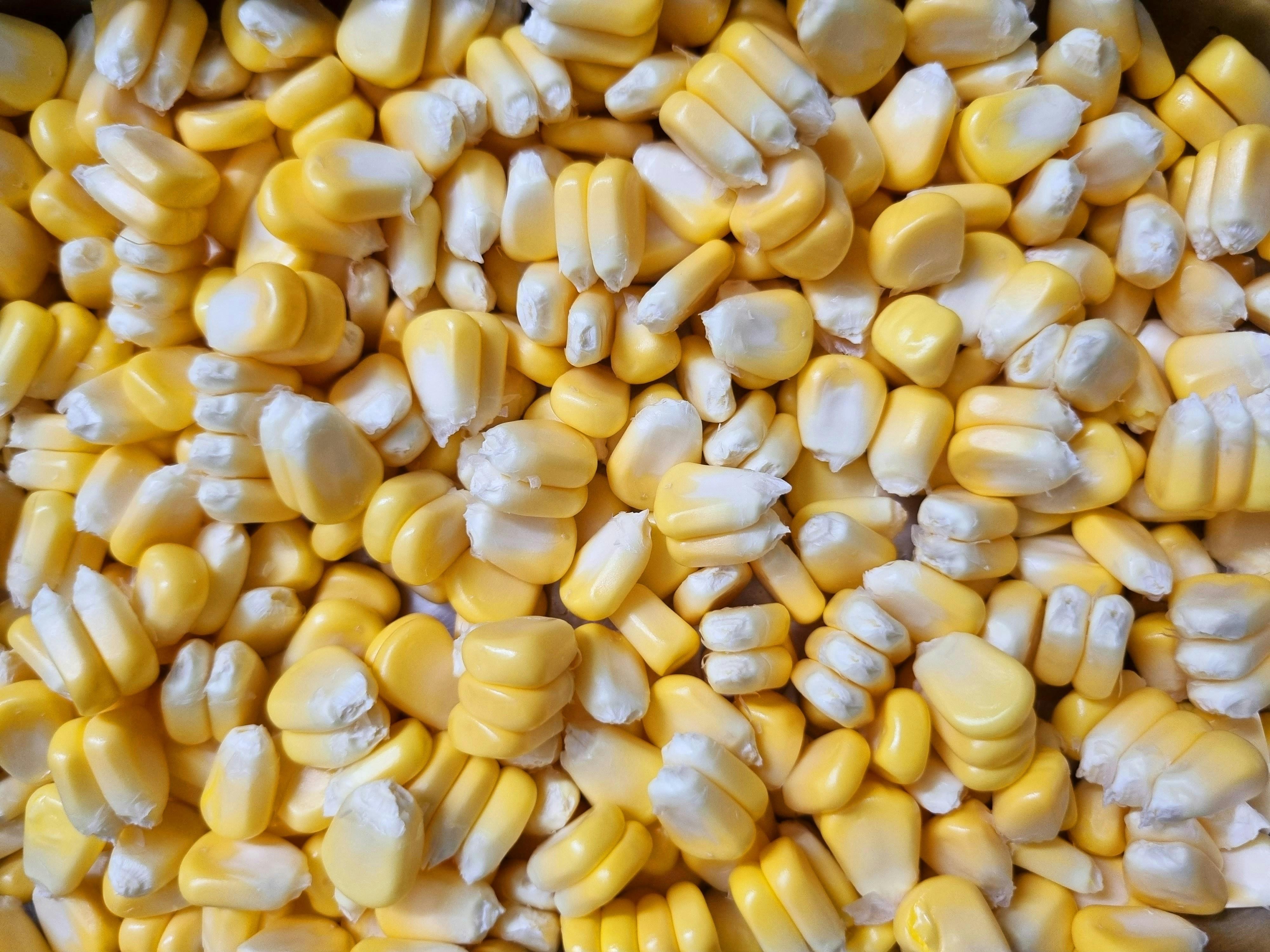
Corn,a vibrant staple of global agriculture,undergoes a fascinating transformation as it journeys from the field to our tables. this process begins the moment the golden kernels are harvested, embarking on a path that merges both artistry and science. At the initial stage, cleaning and conditioning are essential to ensure quality. This involves removing impurities and adjusting moisture levels for optimal performance in further processing. Next, grinding comes into play, employing intricate machinery to convert whole kernels into coarse or fine particles that act as the base for various products.
As we delve deeper into the corn processing landscape, the versatility of corn becomes increasingly apparent. Each transformation opens up a plethora of possibilities. Consider the difference between wet milling and dry milling—two primary methods that yield distinct products.wet milling extracts valuable components such as starch, sugar, and protein, leading to food additives and sweeteners, while dry milling often produces cornmeal and grits, staples in numerous cuisines. Unfolding the layers of innovation in corn processing showcases the ingenuity involved in creating diverse items ranging from corn syrup to biofuels—a testament to the resourcefulness inherent in this agricultural marvel.
| Processing Method | Main Products |
|---|---|
| Wet Milling | Starch, Syrups, Sweeteners, Gluten |
| Dry Milling | Cornmeal, Grits, Ethanol |

Techniques of Transformation: innovative Methods in Corn Harvesting
In the ever-evolving landscape of agriculture, the quest for efficiency and sustainability in corn harvesting has led to the development of several groundbreaking techniques.From precision agriculture technologies that leverage GPS and IoT sensors to autonomous harvesters equipped with artificial intelligence, farmers are now more informed than ever about their crop conditions. These innovative methods not only enhance yield but also minimize waste and environmental impact. Key techniques include:
- Drone Technology: Aerial imagery captured by drones allows farmers to monitor crop health, identify pest infestations, and optimize their harvesting strategies.
- Robotic Harvesting: Advanced robots are designed to navigate fields and selectively harvest corn, reducing labor costs and increasing harvest speed.
- Data Analytics: Analyzing weather patterns, soil conditions, and crop performance helps farmers make data-driven decisions for optimal harvest timing.
Moreover, integrating newer technologies into conventional practices is proving advantageous. As an exmaple, hybrid models that combine human expertise with machine precision are emerging.Farmers can utilize smart sensors to automate irrigation and fertilization, ensuring that crops receive exactly what they need when they need it. In addition to this, the focus on sustainability is driving the adoption of:
- Conservation Tillage: This method preserves soil health by minimizing disturbance, which can enhance water retention and reduce erosion.
- Cover Cropping: Growing cover crops during the off-season can enrich the soil nutrient profile, benefiting future corn yields.
- Variable Rate Technology (VRT): This allows for the submission of inputs like fertilizers at variable rates to match the crop’s specific needs based on soil characteristics.

Nutritional Goldmine: Maximizing the Value of Processed Corn
Processed corn is often seen merely as a commodity, yet it holds a treasure trove of nutritional benefits that can elevate our diet. When corn is transformed into various products—such as cornmeal, corn syrup, and popcorn—it retains valuable nutrients and can also create entirely new healthful components. As an example, yellow corn is rich in antioxidants like lutein and zeaxanthin, known for their roles in eye health. Moreover, when processed into corn oil, the healthy fats extracted offer a heart-friendly cooking option, making it an excellent substitute for more saturated oils.
Maximizing the nutritious value of processed corn requires an understanding of how different processing methods influence its health profile. Consider incorporating enriched corn products into your meals to capitalize on their benefits:
- Whole Grain Cornmeal: A fantastic source of dietary fiber that aids digestion.
- Popcorn: Low in calories and high in antioxidants; a guilt-free snack when air-popped.
- Corn Flour: Versatile for gluten-free baking, it’s packed with vital vitamins, including B6 and folate.
To visualize the nutritional average in processed corn products, see the table below:
| Product | Nutritional Highlights (per 100g) |
|---|---|
| Cornmeal | ≈ 365 calories, 7g protein, 8g fiber |
| Corn Oil | ≈ 884 calories, 0g protein, 0g fiber |
| Popcorn (Air-Popped) | ≈ 387 calories, 12g protein, 15g fiber |
Understanding these values not only encourages healthy eating choices but also promotes innovative culinary uses of processed corn, demonstrating that it truly serves as a nutritional goldmine waiting to be explored.
Sustainable practices in Corn Industry: Balancing Innovation and Environmental Responsibility
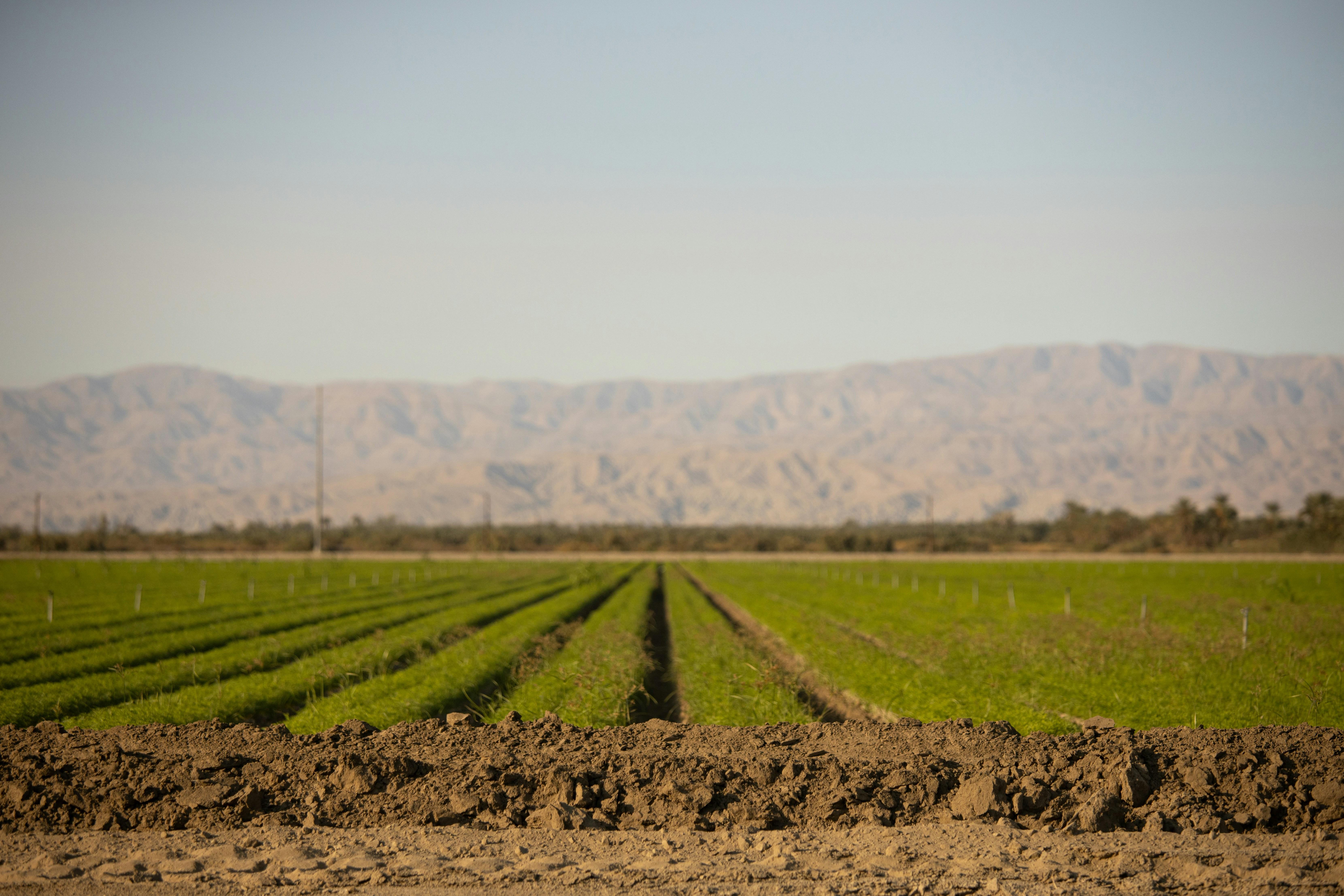
In the quest for sustainable corn processing, the industry is embracing a myriad of innovative approaches that marry technological advancements with environmental stewardship. By integrating precision agriculture techniques, farmers can optimize their input usage, reduce waste, and enhance crop yields. This not only boosts productivity but also minimizes the carbon footprint associated with traditional agricultural practices. The incorporation of biotechnology and genetic modification is also a pivotal component of this transition, allowing for the development of corn varieties that are more resilient to climate change and pests, thereby reducing the dependence on chemical interventions.
Moreover, the processing sector is leveraging renewable energy sources and closed-loop systems to further mitigate environmental impacts. Key strategies include:
- Energy Recovery: Capturing and reusing energy generated during processing operations.
- Water Conservation: Implementing advanced filtration and recycling systems to reduce water consumption.
- Sustainable Packaging: Shifting towards biodegradable and recyclable materials for product distribution.
To illustrate this commitment to sustainability, consider the following table showcasing the energy use reduction achieved by implementing renewable energy sources in various processing facilities:
| Facility Type | Energy Reduction (%) |
|---|---|
| Grain Mill | 30% |
| Sweetener Plant | 25% |
| Ethanol Plant | 40% |
this symbiosis of innovation and responsibility not only strengthens the corn industry’s resilience but also sets a benchmark for sustainable agricultural practices worldwide.
The Conclusion
As we draw the curtain on our exploration of ”Harvesting Innovation: The Art and Science of Corn Processing,” it becomes clear that this golden grain transcends its humble agricultural roots. From its pivotal role in feeding populations to its intricate journey into industrial applications, corn stands as a testament to human ingenuity. The blend of tradition and technology in modern processing techniques not only sustains livelihoods but also paves the way for sustainable practices and innovative solutions.as we look to the future,the lessons learned from corn processing serve as a guide—showing us how to harness nature’s gifts with creativity and respect. With each kernel, we are reminded that progress is a product of collaboration between nature and science, a dance of artistry and precision that has the power to shape food systems, economies, and communities.
our journey through the realms of corn processing is not just about the grain itself but about the endless possibilities that lie within it. As we continue to harvest the fruits of innovation, let us embrace the symphony of knowledge, creativity, and sustainability that will guide us into an ever-brighter, more prosperous future. The story of corn is far from over; it is just beginning.