
Ground to Perfection: The Art of Maize Milling Unveiled
In the heart of countless kitchens and bustling markets around the world lies a process both ancient and transformative: maize milling. This age-old craft, often overshadowed by modern industrial techniques, embodies a rich tapestry of tradition, culture, and innovation. As we delve into the intricate world of maize milling, we uncover the delicate balance between nature’s bounty and human ingenuity. From the sound of kernels dancing through wooden mills to the aroma of freshly ground flour, each step reveals a narrative steeped in history and functional artistry. Join us on a compelling journey as we unveil the meticulous techniques, diverse tools, and cultural significance behind the milling of one of humanity’s most essential grains—maize. Discover how this timeless practice not only nurtures our bodies but also connects us to communities, heritage, and the enduring rhythm of agricultural life.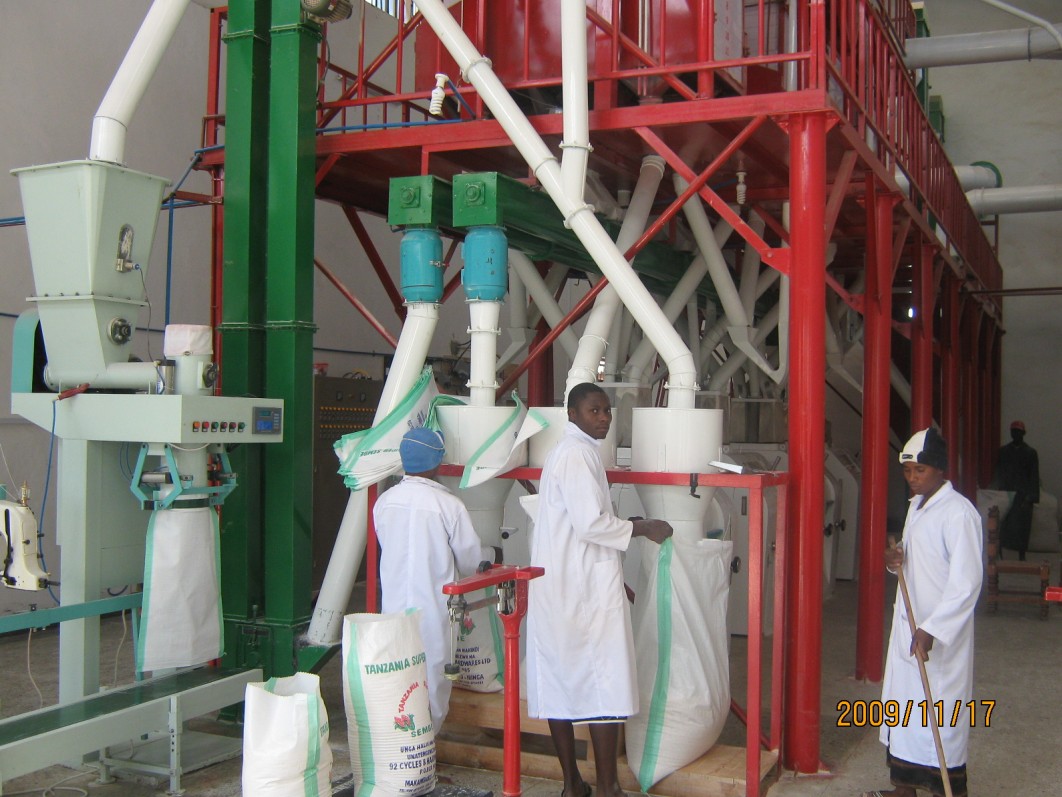
Understanding the Foundations of Maize Milling Techniques
At the heart of maize milling lies a complex interplay of techniques that transforms raw kernels into finely ground meal, flour, or grits. Understanding these foundational techniques begins with the selection of quality maize grains, which can significantly influence the end product’s taste, texture, and nutritional value. Once the maize is chosen, it undergoes a series of processes including cleaning, drying, and conditioning, all of which prepare the kernels for milling. Each step is crucial to ensure minimal waste and optimal extraction, paving the way for a high-quality product. Additionally, it is essential to consider the moisture content of the maize, as it affects both the milling efficiency and the final product’s shelf life.
The milling process itself can be broken down into various methods, each offering distinct advantages. Common milling techniques include:
- Stone Milling: Traditional and preserves the natural flavor and nutrients.
- Roller Milling: A modern approach that allows for higher efficiency and greater output.
- Impact Milling: Utilizes high-speed forces to produce a fine texture, often used for specialty flours.
Moreover, understanding the impact of particle size is vital for achieving specific culinary applications, whether for coarser polenta or finely sifted flour. The right balance of texture not only enhances cooking characteristics but also caters to distinct regional preferences, making mastering these techniques not just an art, but a science as well.

Exploring the Benefits of Traditional versus Modern Milling Methods
When delving into the intricacies of maize milling, one quickly encounters the dichotomy between traditional and modern methods. Traditional milling, often characterized by the use of stone mills or hand-operated devices, tends to preserve the natural flavors and nutrients of the maize. This method emphasizes the artisanal approach, enabling millers to connect with time-honored practices that have been passed down through generations. The benefits of traditional milling include:
- Enhanced flavor profile: Stone milling retains the maize’s natural oils, yielding a richer taste.
- Minimal processing: Fewer steps in the milling process translate to more nutritional value retained in the final product.
- Sustainability: Often requires less energy, making it a more environmentally friendly option.
In contrast, modern milling techniques utilize advanced machinery that significantly increases efficiency and output. These methods often rely on high-speed steel or hammer mills, which can process large quantities of maize in a short time, contributing to reduced costs for producers. However, the perks of modern milling extend beyond mere efficiency:
- Uniformity: Modern mills provide a consistent grind size, ensuring uniform product quality.
- Speed: The quick processing time meets the demands of large-scale production and distribution.
- Innovation: Advances in milling technology can lead to enhanced processing techniques, ensuring the product meets contemporary market needs.
| Aspect | Traditional Milling | Modern Milling |
|---|---|---|
| Flavor | Rich and Authentic | Uniform but Less Distinct |
| Nutritional Retention | High | Moderate |
| Production Speed | Slow | Fast |
| Environmental Impact | Lower | Higher |
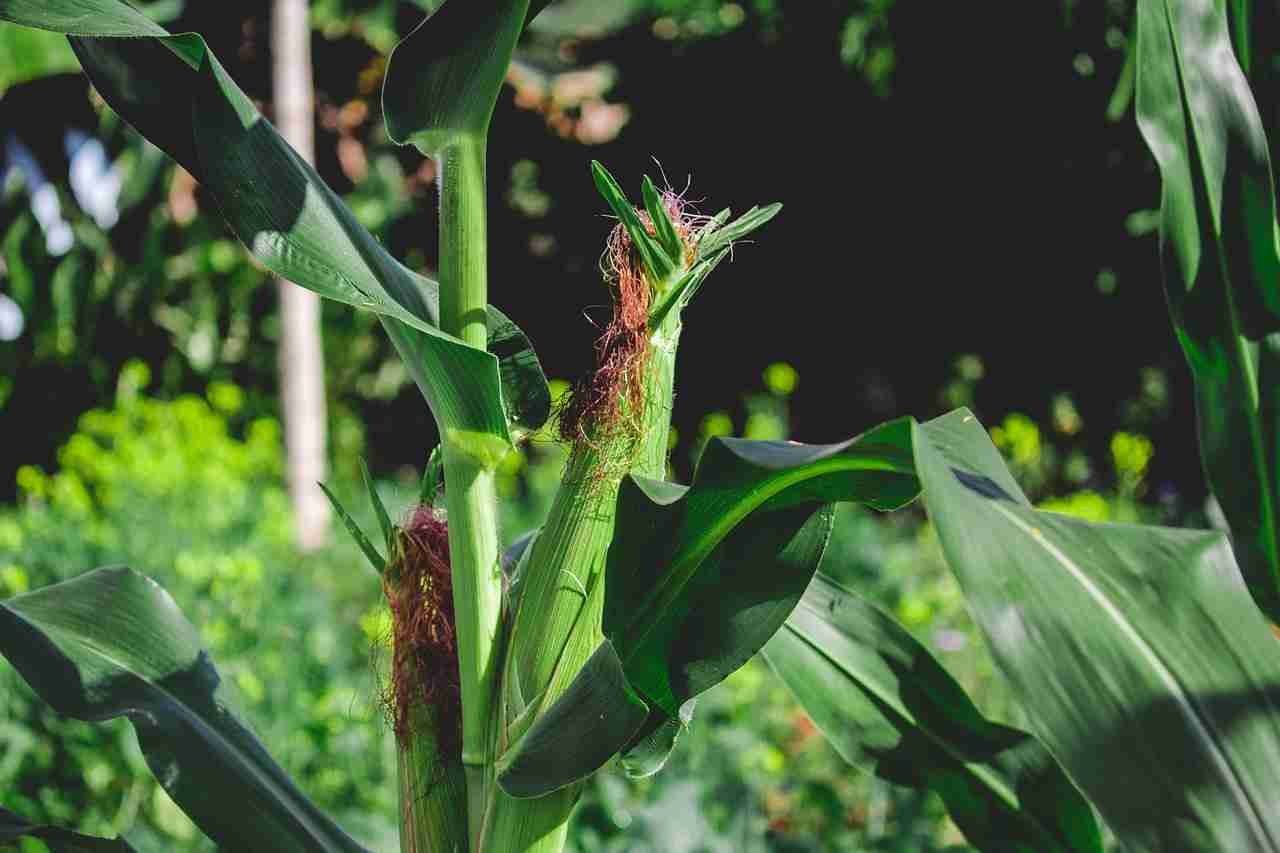
Key Equipment for Achieving Optimal Maize Texture and Quality
To achieve the perfect maize texture and quality, investing in the right milling equipment is essential. Each piece of machinery plays a pivotal role in transforming the raw kernels into finely processed flour or meal. Among the most vital equipment are:
- Hammer Mills: Ideal for grinding maize into fine powder, these machines utilize high-speed rotating hammers to shred the grains, ensuring a consistent particle size.
- Roller Mills: Known for their efficiency, they crush the maize between cylindrical rollers, producing uniform flour while maintaining the integrity of the grain’s nutritional components.
- Destoners: To remove impurities such as stones and husks, destoners ensure that the final maize product is clean and of high quality.
Moreover, monitoring the milling process is equally important. Utilizing advanced technologies can dramatically enhance the quality of the final product. Consider implementing:
- Moisture Analyzers: These devices measure the moisture content of maize, a crucial factor in achieving optimal texture and quality.
- Particle Size Analyzers: By ensuring that the particle size is consistent, these tools help in achieving the desired flour characteristics, enhancing end product performance.
- Batch Control Systems: Such systems provide real-time data, allowing millers to adjust their processes instantly for improved consistency.
| Equipment Type | Function |
|---|---|
| Hammer Mill | Grinds grains into fine powder |
| Roller Mill | Crushes maize for uniform flour |
| Destoner | Removes impurities |
| Moisture Analyzer | Measures moisture content |
| Particle Size Analyzer | Ensures consistent particle size |
| Batch Control | Facilitates real-time process adjustments |

Essential Best Practices for Quality Control in Milling Operations
To maintain the integrity and quality of maize milling, implementing effective quality control measures is paramount. Regular equipment maintenance ensures operational efficiency and reduces the risk of product contamination. Scheduling preventative maintenance helps identify potential problems before they escalate. Additionally, establishing a robust training program for staff reinforces the importance of adhering to quality standards at every stage of the milling process. Employees should be well-versed in handling equipment, recognizing quality indicators, and maintaining cleanliness to protect against foreign material intrusion.
Another fundamental practice involves systematic sampling and testing of the milled product. Employing different sampling techniques enables mill operators to assess moisture levels, particle size distribution, and purity effectively. Consider including the following in your quality assessment checklist for each batch:
| Quality Parameter | Testing Method | Frequency |
|---|---|---|
| Moisture Content | Digital Moisture Meter | Every Hour |
| Particle Size | Sieve Analysis | Every Shift |
| Purity | Visual Inspection | Every Batch |
By adhering to these essential quality control practices, maize milling operations can ensure their products meet the highest standards, fostering customer trust and ensuring market competitiveness.
In Retrospect
As we reach the end of our exploration into the intricate world of maize milling, it becomes clear that this process is far more than just a means of producing flour. It is an art form, steeped in tradition, innovation, and a profound understanding of grain. The journey from cob to cornmeal not only fuels our kitchens but also binds together communities and cultures across the globe.
Understanding the craftsmanship behind maize milling offers us a deeper appreciation for the ingredients we often take for granted. Each grinding technique, from the gentle stone mills of ancient times to the high-tech machinery of today, tells a story of human ingenuity and adaptability. As the future of maize milling continues to evolve with technology and sustainability at the forefront, we are reminded of the timeless connection between nature, food, and people.
Thus, as you continue on your culinary adventures, may you carry with you the knowledge that every particle of finely milled maize is not just a product but a testament to the patience and precision of those who dedicate themselves to this craft. Ground to perfection, indeed—let us celebrate the rich tapestry of flavors and histories that maize milling has to offer.




