
Grinding to Perfection: The Art of Cereal Milling
In a world where the simplest ingredients can undergo transformative journeys, the process of cereal milling stands as a quiet yet essential craft that shapes our daily sustenance. From the golden fields where grains sway gently in the breeze to the rhythmic hum of milling machinery, each step in this age-old practice tells a story of precision, tradition, and innovation. Cereal milling is not merely a means of breaking down grains; it is an intricate art form that balances the science of food production with the heritage of cultures around the globe. As we explore the nuanced techniques and modern advancements that define this pivotal process, we delve into how grinding grains to perfection is key to unlocking the flavors, textures, and nutritional benefits that enhance our meals. Join us on this journey through the heart of milling, where every grain has the potential to become something extraordinary.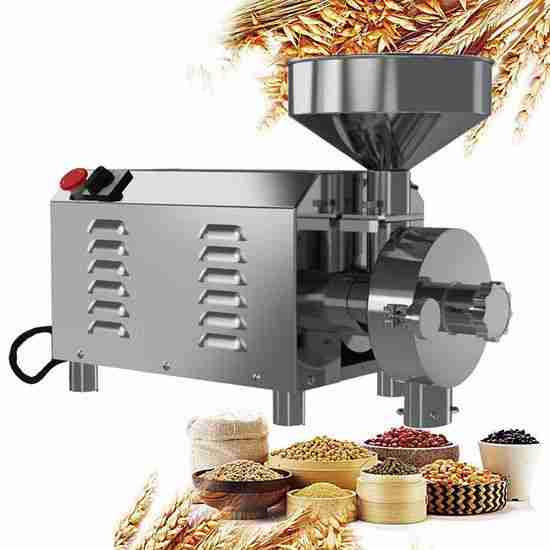
Understanding the Cereal Milling Process and Its Importance
Cereal milling is a fascinating process that transforms raw grains into versatile flour and other products essential for our daily diet. This intricate art involves several stages, each pivotal to achieving the desired quality and consistency of the final product. The first step typically begins with cleaning the grains to remove impurities, dust, and foreign materials. Following this, the grains undergo tempering, which involves moistening them to enhance milling efficiency and control the texture. In the heart of milling, the grinding stage, various methods are employed—such as roller mills, stone milling, and hammer mills—to break down the grains into finer particles, which are then sifted to achieve the right flour grade.
The importance of cereal milling cannot be overstated. It not only impacts the nutritional value of the flour but also influences the baking qualities essential for various culinary applications. Understanding the milling process allows manufacturers to produce flour tailored to specific end uses, such as bread-making, pastry, or even gluten-free options. Moreover, the ability to consistently deliver high-quality flour supports food safety and product compliance in a market that increasingly demands transparency. Below is a simple summary of key milling components that highlight their significance:
| Component | Importance |
|---|---|
| Cleaning | Removes contaminants, ensuring quality and safety. |
| Tempering | Improves milling efficiency and flour texture. |
| Grinding | Transforms grains into flour of desired consistency. |
| Sifting | Separates flour grades for varied culinary uses. |

Selecting the Right Equipment for Optimal Grinding Efficiency
Selecting the right equipment for cereal milling is critical in achieving optimal grinding efficiency. Each machine serves a specific purpose, contributing to the overall quality of the end product. When considering the machinery, it’s essential to evaluate factors such as capacity, energy consumption, and maintenance requirements. Using the right combination of machines will not only enhance productivity but also significantly reduce operational costs. Here are some essential types of equipment to consider:
- Roller Mills: Ideal for achieving precise particle sizes with minimal heat generation.
- Hammer Mills: Excellent for grinding tough grains, offering versatility in various milling operations.
- Air Classifiers: Perfect for separating fine particles, ensuring a uniform product.
- Grain Cleaners: Essential for removing impurities before the milling process, enhancing the quality of the final product.
It’s also worthwhile to consider the technological advancements in milling equipment that improve efficiency and consistency. Investing in machinery equipped with smart controls can help monitor real-time performance, allowing for adjustments as needed in production. Additionally, pay attention to the materials used in construction; stainless steel components can enhance durability and hygiene, crucial for food safety. Below is a comparative table highlighting features of different types of milling equipment:
| Equipment Type | Key Features | Best For |
|---|---|---|
| Roller Mill | Precise sizing, low heat | Flour production |
| Hammer Mill | Versatile, high-capacity | Grinding tough grains |
| Air Classifier | Particle separation, uniformity | Fine milling |
| Grain Cleaner | Impurity removal | Pre-milling preparation |

Achieving the Perfect Grind: Techniques and Best Practices
Mastering the art of cereal milling requires not only quality grains but also an understanding of the right techniques to achieve the perfect grind. Every grain type responds differently to milling, which makes it essential to choose the appropriate method based on the desired outcome. Testing various milling methods—such as roller milling, stone grinding, or turbo milling—can lead to unique textures and flavors. Here are some key aspects to consider for optimal results:
- Meticulous Equipment Selection: Invest in a high-quality mill that caters to your specific grain type.
- Uniform Grain Sizing: Properly prepare grains to achieve a consistent grind, minimizing variations.
- Adjusting Endosperm Grinding: Tailor the level of grind to affect flour characteristics and baking performances.
- Temperature Control: Maintain a cooler milling environment to preserve grain integrity and flavor.
Moreover, maintaining a clean and well-calibrated milling setup cannot be overstated. Regular maintenance and calibration help avoid cross-contamination and ensure consistent results. It’s important to monitor the grind size closely, as achieving the perfect texture may vary depending on various factors, including moisture content and residual husk. To provide clarity on grind sizes, here’s a simple reference table:
| Grind Size | Recommended Use |
|---|---|
| Coarse | Stews, polenta, or coarse bread |
| Medium | Cakes, muffins, or pancakes |
| Fine | Breads, pastries, and pizza dough |
| Extra Fine | Pastries and delicate flour confections |
With these techniques and best practices in hand, achieving the perfect grind becomes not just a goal but an exciting journey into the flavorful world of cereal milling.

Quality Control in Cereal Milling: Ensuring Consistency and Flavor
In the world of cereal milling, quality control is the backbone of producing grains that not only meet consumer expectations but also maintain the natural character of the cereals. Each batch must undergo rigorous testing and analysis to ensure that the final product is consistent and flavorful. This process often involves multiple stages of sampling and assessment, including:
- Visual Inspection: Ensuring that the grains are free from impurities and of uniform color.
- Texture Analysis: Evaluating the consistency of the flour, checking for appropriate granulation.
- Flavor Profiling: Conducting taste tests to maintain the characteristic flavors that define each cereal.
- Nutritional Testing: Confirming that the processing methods preserve essential nutrients.
The art of cereal milling demands not just skill, but a commitment to maintaining high-quality standards throughout the production process. To assist in this, many milling facilities implement automated systems that monitor key parameters in real-time. Below is a table summarizing essential quality control parameters:
| Parameter | Importance | Typical Range |
|---|---|---|
| Moisture Content | Prevents spoilage and maintains texture | 10-14% |
| Granulation Size | Influences baking and cooking properties | 60-120 microns |
| Protein Level | Affects nutritional value and dough strength | 7-15% |
By adhering to these continuous quality checks, millers can confidently produce flour that supports a variety of culinary creations while preserving the unique flavor profiles desired by consumers.
In Summary
As we conclude our exploration into the intricate world of cereal milling, it becomes evident that this ancient craft is anything but simple. From the relentless pursuit of precision to the delicate balance of traditional techniques and modern technology, milling transforms humble grains into the foundation of our daily nourishment. Each step in the process, from the selection of raw materials to the final grind, embodies a dedication to quality and sustainability.
The next time you pour your morning bowl of cereal or bake with flour, take a moment to appreciate the artistry behind every grain. The rigorous journey from field to fork represents not only a commitment to perfection but also a vital connection to our agricultural roots. As we continue to innovate and refine the milling process, we honor the legacy of those who came before us, ensuring that the art of cereal milling remains a respected cornerstone of our food systems. In this ever-evolving landscape, one truth remains: in milling, as in life, the grind is what leads us to excellence.




