
Grinding Success: The Art and Industry of Maize Milling
In the heart of many communities worldwide, an age-old process transforms humble kernels into the foundation of countless culinary delights. Maize milling, a craft steeped in tradition and innovation, stands at the intersection of agriculture and industry, shaping economies, cultures, and diets alike. From bustling urban centers to remote rural locales, this vital operation not only supports local livelihoods but also sustains a global appetite for diverse maize-based products. As we delve into the intricate world of maize milling, we uncover the delicate balance between time-honored techniques and modern advancements, showcasing the artistry involved in every grind. Join us on a journey through the mills, where the rhythmic sound of grinding corn echoes stories of resilience, adaptation, and the relentless pursuit of success, illuminating the vital role of maize in our world.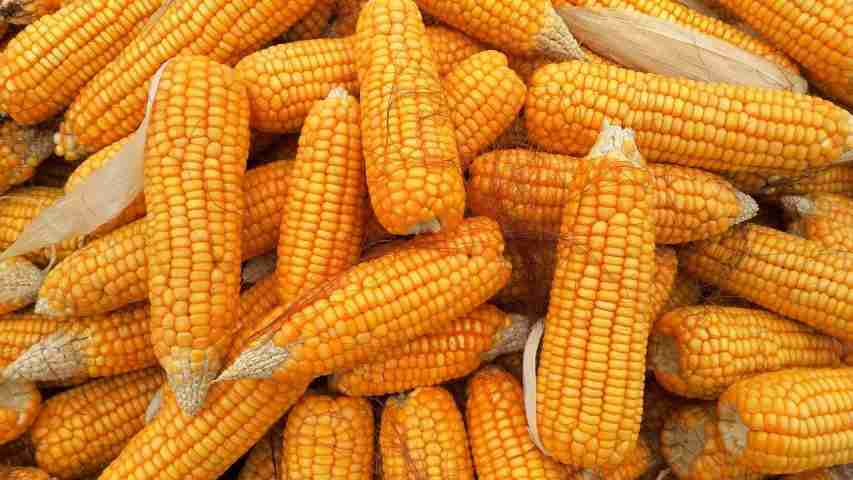
The Journey from Grain to Flour: Understanding the Maize Milling Process
The milling process of maize, often hailed as one of the most crucial steps in food production, begins long before the grinding takes place. Harvesting is the first stage, where ripe maize kernels are collected from expansive fields. Following this, they undergo a thorough cleaning process to remove impurities such as dirt, stones, and other foreign materials. This ensures that only the best grains make it to the milling stage. Once cleaned, the maize is subjected to conditioning, a process that involves adding moisture to the kernels to prepare them for effective milling. The ultimate goal of conditioning is to ensure that the starch granules within the grains are optimally utilized, resulting in finely milled flour that retains the nutritional value of maize.
Next comes the actual milling, which can be achieved through various methods, including dry milling and wet milling. During dry milling, the conditioned maize is fed into a mill where it is broken down into flour through the application of mechanical force. A typical milling process may include several stages such as cracking, grinding, and sifting, allowing for precise control over the final flour texture. An alternative, the wet milling process, involves soaking the maize, which helps in separating the starches from the fiber, producing finer flour suitable for specific culinary applications. The transformation from grain to flour is not merely a mechanical process; it is an intricate dance that balances efficiency with the preservation of flavor and nutrition.
| Stage | Process Description |
|---|---|
| Harvesting | Collecting mature maize from fields. |
| Cleaning | Removing dirt and impurities from the kernels. |
| Conditioning | Adding moisture to prepare grains for milling. |
| Milling | Breaking down maize through cracking, grinding, and sifting. |
| Quality Assurance | Testing for consistency and nutritional value. |

Essential Machinery and Technology: Advancements Shaping the Industry
In the ever-evolving landscape of maize milling, cutting-edge machinery and technological innovations play a pivotal role in enhancing productivity and efficiency. High-efficiency milling machines, which incorporate state-of-the-art design features, have dramatically changed the operational paradigm. These machines not only streamline the grinding process but also optimize energy consumption, thereby reducing production costs. Key advancements include:
- Automated Control Systems: Allow for real-time monitoring and adjustments, ensuring optimal milling parameters.
- Precision Grinding Rollers: Deliver consistent particle sizes, critical for quality flour production.
- Predictive Maintenance Tools: Use data analytics to anticipate equipment failures, minimizing downtime.
Additionally, technology plays a significant role in quality control, ensuring that the final product meets stringent industry standards. Integrated software systems can now analyze grain quality, moisture content, and nutritional value before milling, allowing for better ingredient selection. The synergy of such technologies not only advances milling processes but also meets the increasing consumer demand for quality and safety. Relevant developments include:
| Technology | Benefits |
|---|---|
| Smart Sensors | Continuous monitoring for quality assurance |
| AI-Milling Optimization | Enhances throughput efficiency |
| Eco-Friendly Milling Techniques | Reduces environmental footprint |

Quality Control and Nutritional Value: Ensuring Excellence in Maize Products
To achieve excellence in maize products, a robust quality control framework is fundamental. This involves meticulous monitoring at various stages of the milling process, ensuring that the grain selected for production meets stringent quality standards. Factors that are assessed include moisture content, kernel integrity, and any potential contaminants. By employing advanced technology and skilled personnel, mills can guarantee the highest quality in both flavor and texture, which ultimately influences consumer satisfaction. Regular audits and adherence to industry regulations play a critical role in maintaining these high standards, as producers strive to deliver products that not only meet but exceed market expectations.
Moreover, the nutritional value of maize is an essential consideration in the milling industry. Maize is a versatile grain rich in essential nutrients, but its benefits can diminish if not processed correctly. Key factors that enhance the nutritional profile of maize products include:
- Whole grain processing – Retaining the bran and germ ensures fiber and vitamin content are preserved.
- Fortification – Adding vital vitamins and minerals can improve the health benefits of processed products.
- Research and development – Innovation in milling techniques can optimize nutrient retention during processing.
Ensuring the optimal nutritional value of maize-based products fosters consumer trust and loyalty, ultimately driving the success of the milling industry.

Sustainable Practices in Milling: Balancing Profitability with Responsibility
In the quest to maintain profitability, the milling industry is increasingly turning towards sustainable practices that not only bolster the bottom line but also demonstrate a commitment to environmental stewardship. Methods such as energy-efficient grinding technologies and waste reduction initiatives are gaining traction. By implementing renewable energy sources, such as solar or wind, mills can significantly decrease their carbon footprint while enjoying reduced operational costs. Additionally, technology-driven processes that optimize resource utilization—like automated systems for monitoring energy and water consumption—ensure that every aspect of milling is finely tuned for efficiency, ultimately enhancing profit margins.
Moreover, responsible sourcing of raw materials is becoming a cornerstone of sustainable milling practices. By partnering with local farmers and utilizing certified organic or non-GMO maize, milling operations can support community economies and foster a transparent supply chain. This not only strengthens consumer trust but also meets the rising demand for ethically produced goods. Mills can also explore by-product trading, leveraging maize bran and other by-products for animal feed or biofuel, thereby reducing waste and creating additional revenue streams. The following table illustrates potential by-products and their uses:
| By-Product | Potential Uses |
|---|---|
| Maize Bran | Animal feed, Nutritional supplements |
| Corn Oil | Biodiesel, Cooking oil |
| Starch | Bioplastics, Food industry |
In Summary
As we draw the curtain on our exploration of “Grinding Success: The Art and Industry of Maize Milling,” it becomes evident that this seemingly simple grain holds a wealth of significance that extends far beyond the kitchen. From the skilled artisans who meticulously grind each kernel to the vast industrial operations that feed millions, maize milling is a nexus of culture, tradition, and innovation.
The rhythmic hum of grinding mills resonates like a heartbeat within communities, bridging generations and powering economies. In understanding the intricate processes and the stories intertwined with these golden grains, we not only appreciate the labor that goes into our daily sustenance but also recognize the resilience of the industry in adapting to modern challenges.
As we stand at the crossroads of tradition and technology, the future of maize milling is poised to embrace new advancements while honoring its rich heritage. Whether you’re a farmer, a miller, or simply a lover of good food, the art of maize milling invites us all to partake in this ongoing journey of flavor, nutrition, and community. So, the next time you savor a meal enriched with maize, remember: it’s not just a dish; it’s a testament to a world where grinding success is both an art and an industry that continues to evolve, nourish, and inspire.




