
Grinding Innovation: The Art and Science of Cereal Milling
In the world of food production, few processes are as foundational yet often overlooked as cereal milling. The journey from golden grains to the flour that graces our tables is a delicate dance between tradition and technology. As the cornerstone of countless cuisines, cereal milling merges age-old craftsmanship with cutting-edge innovation, transforming raw materials into the essential ingredients of our daily sustenance. In this article, we will explore the intricate art and precise science behind cereal milling, shedding light on the methodologies that drive efficiency, quality, and sustainability in an industry that nourishes billions. Join us as we delve into the machinery and techniques that keep this vital process evolving, while honoring the heritage that has sustained it for generations.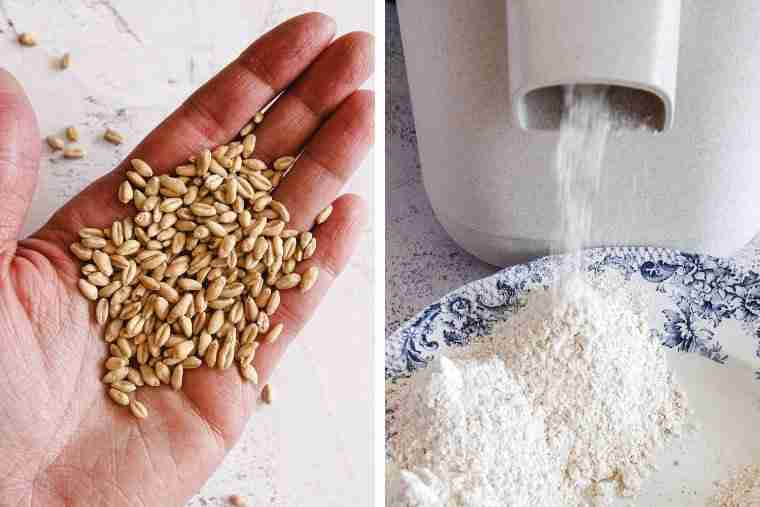
Exploring the Principles of Cereal Milling Technology
Cereal milling is a sophisticated process that transforms raw grains into fine flour, incorporating both ancient traditions and modern innovations. The cornerstone of this technology lies in understanding grinding principles, which involve a series of mechanical actions. These actions include crushing, cutting, and rubbing, all designed to break down the grains into smaller particles efficiently. Key components that contribute to this process are:
- Roller mills: These are the heart of modern milling, utilizing two or more horizontal rollers to achieve precise particle size.
- Impact mills: These employ high-speed rotors to crush grains using impact force, ideal for producing finer flours.
- Sieving technology: Essential for separating flour grades, ensuring the consistency and quality of the end product.
To further comprehend the intricacies of milling, it’s vital to consider the properties of the cereal grains themselves. Factors such as moisture content, hardness, and protein levels significantly influence the milling efficiency and the characteristics of the flour produced. The following table summarizes the main grain types and their milling properties:
| Grain Type | Moisture Content (%) | Hardness | Typical Use |
|---|---|---|---|
| Wheat | 12-14 | Medium | Bread, pastries |
| Corn | 13-15 | Soft | Cornmeal, grits |
| Rye | 13-15 | Medium | Rye bread |
| Oats | 10-12 | Soft | Oatmeal, granola |
Each grain type not only varies in its physical properties but also brings unique flavors and nutritional benefits to the consumer’s table. As technology advances, the art of milling continues to evolve, integrating automation and data analytics to optimize the milling process further. This blend of science and craftsmanship not only enhances productivity but also ensures the quality and sustainability of cereal products. As we delve deeper into the world of cereal milling, the ongoing innovations promise exciting developments that will shape our future understanding of grain processing.

Balancing Tradition and Modern Techniques in Grain Processing
Grain processing is a fascinating realm where the ancient art of milling meets the forefront of technological advancement. Traditional techniques, such as stone grinding, have been cherished for centuries, appreciated not only for their ability to preserve the grain’s natural flavor and nutrients but also for the unique textures they impart. Today, modern methods, such as roller milling and pneumatic systems, have emerged, enhancing production efficiency and consistency. This synergy between the old and the new enables millers to offer a wider range of products, catering to diverse consumer preferences while ensuring quality and sustainability.
Consider the following attributes that define this equilibrium between tradition and innovation:
- Quality Control: Modern sensors and automated systems ensure precise flour grading, enhancing the end product’s consistency.
- Energy Efficiency: Advanced milling techniques utilize less energy while maximizing throughput, a vital aspect in today’s eco-conscious market.
- Flavor Preservation: By incorporating traditional methods, mills can maintain the rich, aromatic qualities that consumers seek.
| Technique | Benefits | Challenges |
|---|---|---|
| Stone Grinding | Flavor retention, natural nutrients | Lower efficiency, time-consuming |
| Roller Milling | High productivity, consistent results | Loss of some nutrients, less flavor |
Through meticulous experimentation and a dedication to craftsmanship, mills today are crafting a new narrative that honors the past while embracing the future. The integration of data analytics and machine learning into milling processes paves the way for a smarter approach, allowing millers to predict trends and adjust operations accordingly. This harmony of traditional insights and modern methodologies stands to redefine the landscape of cereal milling, creating a vibrant tapestry of innovation that celebrates grain in all its forms.
Enhancing Quality: The Role of Grain Selection and Preparation
At the heart of cereal milling lies the critical process of grain selection and preparation, which significantly influences the overall quality of the final product. Choosing the right variety of grains is essential; different cereals bring unique flavors, textures, and nutritional profiles to the table. For instance, whole grains such as barley and spelt are known for their hearty textures and rich flavors, while softer grains like wheat provide a more delicate consistency ideal for fine flours. Additionally, the meticulous process of pre-treatment, including cleaning, conditioning, and tempering, prepares grains for efficient milling, ensuring a consistent grind. Each step plays a pivotal role in enhancing the milling process and subsequently the product’s quality.
Moreover, the use of innovative technologies in grain preparation amplifies the potential of each milling batch. Advanced methods like air classification, fracture testing, and moisture analysis allow millers to fine-tune their processes, optimizing the characteristics of the flour produced. Here’s a closer look at common grain treatment techniques:
| Technique | Description |
|---|---|
| Cleaning | Removal of impurities and foreign materials. |
| Conditioning | Moistening grains to prepare for milling and enhance flour yield. |
| Tempering | Controlling moisture content to improve milling efficiency. |
Through precise grain selection and innovative preparation techniques, millers can unlock the full potential of their grains, resulting in superior flour that meets diverse consumer needs. This purposeful approach not only enhances texture and flavor but also ensures that the nutritional integrity of the grains is preserved, fostering a greater appreciation for the art and science of cereal milling.

Sustainable Practices in Cereal Milling for the Future
As the global demand for food increases alongside concerns for environmental sustainability, the cereal milling industry is embracing innovative practices that harmonize productivity and ecological responsibility. By implementing advanced technologies, such as energy-efficient grinding equipment and automated quality control systems, mills can significantly reduce their carbon footprint while maintaining high output levels. Additionally, integrating renewable energy sources, such as solar and wind power, into milling operations not only lowers greenhouse gas emissions but also positions mills as leaders in sustainable agriculture.
Beyond energy efficiency, sustainable cereal milling also encompasses waste reduction and resource management. Implementing practices such as by-product valorization, where bran and germ are transformed into nutritious animal feed or health supplements, exemplifies this approach. Furthermore, adopting closed-loop water systems can minimize water usage and pollution, allowing for the reuse of water in the milling process. To inspire further advancements, the table below highlights key sustainable practices and their benefits:
| Practice | Benefits |
|---|---|
| Energy-efficient Equipment | Reduces energy consumption and lowers operational costs |
| By-product Valorization | Creates additional revenue streams from waste materials |
| Renewable Energy Integration | Decreases dependence on fossil fuels and mitigates climate impact |
| Closed-loop Water Systems | Conserves water resources and minimizes wastewater discharge |
Wrapping Up
the world of cereal milling is a fascinating convergence of art and science, where tradition meets technology in a relentless pursuit of innovation. As we delve into the intricacies of grinding processes and the subtle nuances that differentiate one grain from another, we uncover not just a method of production, but a tapestry of culture, history, and modern ingenuity. The continued evolution of milling techniques reflects the dynamic needs of an ever-changing marketplace, showcasing the resilience and adaptability of those who cultivate and process our cereals.
As we move forward, it’s essential to recognize that each bowl of cereal represents more than just a meal; it embodies the dedication of farmers, millers, and food scientists who strive for quality and sustainability. Whether it’s through the precision of modern machinery or the mastery of traditional methods, the journey from field to table is a testament to human creativity and perseverance.
As we embrace the future, let us celebrate the ongoing innovations in cereal milling—an industry that will undoubtedly continue to evolve, inspiring future generations to push the boundaries of what is possible. Here’s to the grind: may it forever yield new discoveries in nourishment, flavor, and heritage.




