
In the heart of every bakery and bustling kitchen lies a process often overlooked yet intrinsic to the art of baking and the creation of countless staple foods: milling. The rhythmic sound of grains being ground into flour—a practice as old as civilization itself—speaks to a delicate dance of tradition and technique. “Grinding Grain to Perfection: The Art of Cereal Milling” invites you to embark on a journey through the intricate world of grain milling. From ancient stone mills to modern machinery, discover how the transformation of raw grains into fine powders not only shapes the texture and flavor of our favorite foods but also preserves cultural heritage. Join us as we explore the nuances of this venerable craft, unraveling the science, artistry, and passion that elevate milling from mere function to an exquisite art form.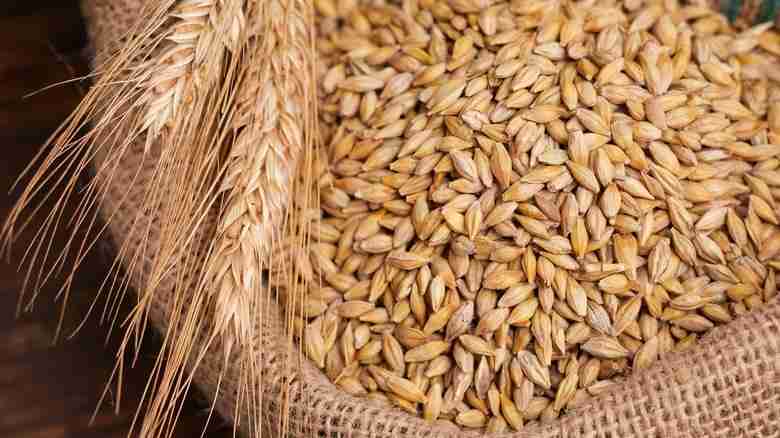
Understanding the Grain: Selecting the Right Variety for Milling
Choosing the right grain variety is pivotal to achieving the desired outcome in milling. Each grain type possesses unique characteristics, and understanding these is essential for maximizing flavor, texture, and nutritional value in the final product. Grains can be categorized based on their hardiness, flavor profile, and milling properties. Key considerations for selecting grain include:
- Hard Wheat: Ideal for making high-protein bread.
- Soft Wheat: Best suited for pastries and cakes.
- Rye: Provides a distinct flavor and density, popular in artisan breads.
- Barley: Versatile for both malt production and various flours.
The milling process also benefits from understanding grain quality factors such as moisture content, kernel hardness, and purity of the grain source. For instance, grains with lower moisture levels tend to produce cleaner and fluffier flour, while hard kernels are preferable for creating robust bread. By carefully evaluating these factors, millers can create exceptional flour tailored to specific baking needs. Here’s a brief comparison of popular grain varieties:
| Grain Variety | Best Use | Nutritional Benefits |
|---|---|---|
| Hard Wheat | Breads | High in protein |
| Soft Wheat | Baked Goods | Light and airy texture |
| Rye | Artisan Breads | High in fiber |
| Barley | Malted Beverages, Flour | Rich in vitamins and minerals |
The Milling Process Unveiled: Techniques for Optimal Texture
The journey from grain to flour is a meticulous art, characterized by several techniques that can influence the final texture of the product. The choice of milling method plays a substantial role in achieving the desired consistency. Common methods include:
- Stone Milling: This traditional technique embraces the natural essence of grains, maintaining their flavor and nutritional value while producing flour with a coarse texture.
- Roller Milling: In this modern approach, grains are crushed between large rollers, resulting in a fine and uniform flour that is often favored for commercial baking.
- Impact Milling: Utilizing fast-moving blades, this technique creates a powdery consistency, ideal for specialty flour and specific culinary needs.
Within each milling method, control over variables such as temperature, moisture content, and milling speed can significantly affect the outcome. Maintaining optimal conditions can result in flour that not only looks appealing but also exhibits superior baking qualities. Here’s a brief overview of how these factors influence texture:
| Variable | Impact on Texture |
|---|---|
| Temperature | High temperatures can alter grain properties, leading to a more brittle texture. |
| Moisture Content | Optimal moisture levels enhance the whisking capacity, yielding a fluffier texture. |
| Milling Speed | Faster speeds produce finer flour, but may diminish flavor and nutrition. |

Adjusting the Grind: Tailoring Particle Size for Different Applications
In the intricate world of cereal milling, achieving the perfect grind is more than just a mechanical process; it’s a delicate art that caters to a variety of needs and uses. Each application demands specific particle sizes that can significantly affect texture, flavor, and even nutritional benefits. For example, when milling for baking, a finer grind is essential to achieve that desired smoothness in flour, allowing for better gluten development and a uniform rise in loaves and pastries. Conversely, a coarser grind is often preferred in the production of cracked grain cereals, which highlights the grain’s robust texture while locking in its natural flavors.
The manipulation of particle size can also impact water absorption, baking times, and end product stability. As you adjust the grind size, consider these key factors to align the milling outcome with your culinary goals:
- Baking Requirements: Finer particles absorb moisture differently than coarser ones.
- Desired Texture: The end product’s mouthfeel is significantly influenced by the original particle size.
- Storage Considerations: Smaller particles might compact, leading to potential quality loss over time.
To visualize the effect of grinding on application types, the following table summarizes recommended particle sizes for various uses:
| Application | Recommended Particle Size |
|---|---|
| Baking Flour | 200-300 microns |
| Cracked Grain | 800-1000 microns |
| Oat Flour | 100-150 microns |
| Whole Grain Cereal | 400-600 microns |
By carefully considering these parameters, millers can master the art of grinding grain to meet specific industry expectations and consumer preferences, ensuring each product is perfectly crafted for its intended purpose.

Maintaining Quality: Essential Equipment and Best Practices for Cereal Milling
Ensuring top-notch quality in cereal milling revolves around the right equipment and meticulous adherence to best practices. Roller mills, stone mills, and hammer mills are some common equipment utilized in the industry, each offering distinct advantages. When selecting the appropriate mill for your operation, consider factors like grain type, desired flour texture, and production volume. Regular maintenance of this equipment is key; worn parts can lead to inconsistencies in the milling process. It’s advisable to set up a schedule for checking and replacing critical components, ensuring optimal performance and minimal downtime.
In addition to equipment, best practices like grain testing, cleaning procedures, and temperature monitoring play vital roles in maintaining quality. Implementing rigorous grain testing protocols allows mills to assess moisture levels and detect contaminants before processing. To maintain the integrity of the milling environment, regular cleaning and sanitization routines are non-negotiable, preventing cross-contamination and spoilage. Temperature control during storage and milling should also be a priority; excessive heat can degrade grain quality and production efficiency. By combining the right tools with dedicated practices, mills can achieve consistent, high-quality results time and again.
Final Thoughts
As we conclude our exploration of the intricate world of cereal milling, it’s clear that grinding grain is more than just a mechanical process; it’s a delicate dance of tradition, science, and artistry. From the rhythmic whir of ancient millstones to the precision of modern machinery, each step in the milling journey is essential for transforming humble grains into the flour that forms the foundation of countless culinary creations.
Understanding the nuances of different grain types, milling techniques, and the critical role of texture and consistency empowers both industrial millers and home bakers alike. The art of cereal milling is not just about creating flour—it’s about nurturing the very essence of our food culture, influencing flavors, and contributing to the nutrition of our daily sustenance.
As you embark on your own grain grinding journey, remember that every batch of flour holds a story and potential waiting to be unleashed. Embrace the process, experiment with techniques, and savor the satisfaction of knowing you’ve harnessed the power of grain—grinding it to perfection for the countless dishes that will grace your table. Together, let’s celebrate this age-old craft that continues to evolve, connecting us to our past while feeding our future.




