Grains to Glory: The Art and Science of Cereal Milling
In a world where the simple act of breakfast often goes unnoticed, a complex and interesting journey unfolds from the fields of golden wheat and lush barley to the breakfast table. “Grains to glory: The Art and Science of Cereal Milling” invites you to delve into the transformative process that elevates humble grains into the flour and cereals that form the foundation of our daily sustenance. This exploration reveals not only the intricate techniques honed over centuries, but also the innovative scientific advancements that continue to shape the industry. As we peel back the layers of this age-old craft, we uncover the delicate balance between tradition and technology, the artistry infused in each grind, and the vital role of milling in our culinary experiences. Join us on this enlightening journey to discover how grains, with a sprinkle of science and a dash of creativity, rise to their full potential and grace our tables with their presence.

The Journey from Field to Flour: Understanding the Cereal Lifecycle
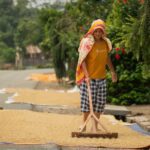
The process of transforming humble grains into the fine flour we use daily is a remarkable blend of tradition and innovation. It begins in the field, where crops like wheat, barley, and corn are cultivated under the careful watch of farmers. Each grain, nurtured by the earth, sun, and rain, tells a story of its own as it grows through various stages, from seed germination to maturation. Once the crops are ready, they are harvested, cleaned, and stored before embarking on their next adventure in the milling process. This intricate journey involves both artistry and science, as millers expertly select their grains based on quality and suitability for different flour types.
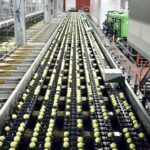
Upon entering the mill, the grains undergo a transformative journey. The initial phase includes cleaning, where impurities are removed, followed by conditioning to achieve the optimal moisture content. Next comes the actual milling, which can be broken down into several key steps:
| Milling Process | Description |
|---|---|
| Cracking | The grains are crushed into smaller pieces. |
| Grinding | Particles are further reduced and refined into flour. |
| Sifting | The flour is separated based on texture and fineness. |
| Blending | Different flour grades are mixed to achieve desired qualities. |
this meticulous process not only ensures that consumers receive flour of the highest quality but also celebrates the journey from field to kitchen. Through innovation in milling technology, the art of creating perfect flour is preserved and enhanced, allowing bakers and chefs alike to achieve their culinary aspirations.

Precision and Innovation: Modern Techniques in Milling Processes
The evolution of milling processes has ushered in a transformative age, marrying precision and innovation to redefine the way grains are processed. Cutting-edge technologies such as digital inspection systems and automated control mechanisms have streamlined the entire workflow, ensuring that each grain is milled with unparalleled accuracy. Some key techniques reshaping the industry include:
- Laser scanning technology for real-time assessment of grain quality
- artificial intelligence algorithms to optimize milling parameters dynamically
- Water management systems that monitor moisture content for better flour consistency
These advancements are not merely about enhancing productivity; they also focus on maintaining the nutritional integrity of cereals. By employing environmentally kind practices and sustainability measures, modern milling places a premium on both quality and ecological responsibility. For instance,numerous milling operations now utilize regenerative energy sources and waste reduction techniques,contributing to a circular economy. A simple overview of contemporary practices can be seen in the table below:
| Technique | Benefit |
|---|---|
| Laser Scanning | Enhances grain selection accuracy |
| AI Optimization | Maximizes efficiency and yield |
| Sustainable Practices | Reduces environmental impact |
Nutritional Insights: The Impact of Milling on Grain Quality
The process of milling plays a pivotal role in determining the nutritional quality of grains. As grains are transformed from whole kernels into flour or meal,various factors influence their nutrient profile. As an example, the degree of milling affects not just texture but also the retention of essential nutrients. Whole grains,rich in fiber,vitamins,and minerals,undergo important changes during milling,leading to a potential loss of these critical components. To maintain nutritional integrity, modern milling techniques aim to balance particle size reduction with preservation of beneficial elements. Key considerations include:
- Granulation Level: Finer milling may yield a smoother texture, but it can strip away important nutrients found in the bran and germ.
- Milling Temperature: Heat generated during milling can lead to degradation of sensitive vitamins, such as B vitamins.
- Storage Conditions: Post-milling storage can affect the stability of nutrients; keeping flours in cool, dark environments helps preserve quality.
notably, the choice of milling techniques influences the bioavailability of nutrients in the final products. Traditional stone milling, for example, often retains more of the grain’s natural oils and nutrients due to its gentler process compared to high-speed roller mills.Understanding these dynamics can help both manufacturers and consumers make informed choices about grain products. A comparison of different milling methods highlights their distinct impacts on grain quality:
| Milling Method | Texture | Nutrient Retention |
|---|---|---|
| Stone Milling | Coarse to fine | High |
| Roller Milling | Fine | Moderate |
| Hammer Milling | Milled | Low |

Sustainability in Milling: Best Practices for a Greener Future
In the quest for a sustainable future, cereal milling has the opportunity to be at the forefront of ecological innovation. By implementing energy-efficient technologies and sustainable sourcing practices, mills can significantly minimize their carbon footprint. This encompasses the use of renewable energy sources—such as solar and wind power—to operate machinery, as well as optimizing production processes to reduce waste. Moreover, mills can prioritize the procurement of grains from local farmers who practice sustainable agriculture, thus supporting local economies while reducing transportation emissions.
Additionally, adopting a circular economy approach can further enhance sustainability in milling. By focusing on waste reduction,mills can repurpose by-products from the milling process. For example, bran and germ, frequently enough regarded as waste, can be incorporated into health food products or used as animal feed. Here are some best practices to consider:
- Implement water conservation strategies: Employ technologies that recycle water in the milling process.
- Engage in community partnerships: Collaborate with local organizations to promote sustainable practices.
- Educate staff: Train employees on sustainability initiatives to foster a culture of environmental responsibility.
To Wrap It Up
As we conclude our journey through the intricate world of cereal milling, it becomes clear that this age-old process is more than just a means to an end; it is a fascinating blend of art and science. From the careful selection of grains to the precision of modern milling techniques, each step contributes to the final product that graces our breakfast tables and fuels our daily lives. The evolution of this craft mirrors our own quest for nourishment, innovation, and sustainability. As we continue to explore the depths of grain cultivation and milling technology, we invite you to appreciate not only the origins of your morning bowl but also the dedicated craftsmen and cutting-edge scientists who work tirelessly behind the scenes. Whether it’s the golden hue of oatmeal or the delicate flakiness of pastry flour, remember that every granule has a story, bringing us closer to the glorious heritage of our food. grains truly transform not just into sustenance, but into the foundation of our culinary experiences.