from Seed to Flour: The Art and Science of Maize Milling
in the heart of many culinary traditions around the world lies a humble yet transformative ingredient: maize. From the golden fields swaying under the sun to the finely milled flour that graces our kitchens, maize undergoes a captivating journey that intertwines both art and science. This article embarks on an exploration of the intricate process of maize milling—an age-old craft that has evolved with technology yet remains deeply rooted in cultural practices.By delving into the lifecycle of maize from seed to flour, we will uncover the techniques, innovations, and ancient meaning that shape this staple ingredient. Join us as we unravel the rich tapestry of maize milling, illuminating the vital role it plays in feeding communities and preserving culinary heritage across the globe.

The Journey of Maize: Understanding the Seed’s Role in Quality Milling
The significance of maize begins long before the milling process; it starts with the seed itself. Selecting the right variety of maize is crucial, as different types can yield varying qualities of flour. Factors influencing this include:
- Genetic traits: The inherent characteristics of the maize seed determine aspects like protein content and hardness.
- Growth conditions: soil quality, climate, and agricultural practices substantially impact the seed’s performance and final quality.
- Harvesting methods: Proper timing and techniques are essential for preserving the integrity of the grains.
Once the maize is harvested, the journey continues through the milling process, where the seed’s attributes play a pivotal role. The milling techniques employed can enhance or diminish the seed’s potential. Key considerations during this phase include:
- Grinding technology: Different methods, such as stone milling versus roller milling, impact the texture and flavor of the flour.
- separation processes: Adjustments in how the endosperm, bran, and germ are separated affect the nutritional profile and baking properties.
- Quality control: Regular testing ensures that the flour meets the desired specifications for various applications.
Anatomy of the Maize Grain: Exploring Varieties and Their Milling Potential
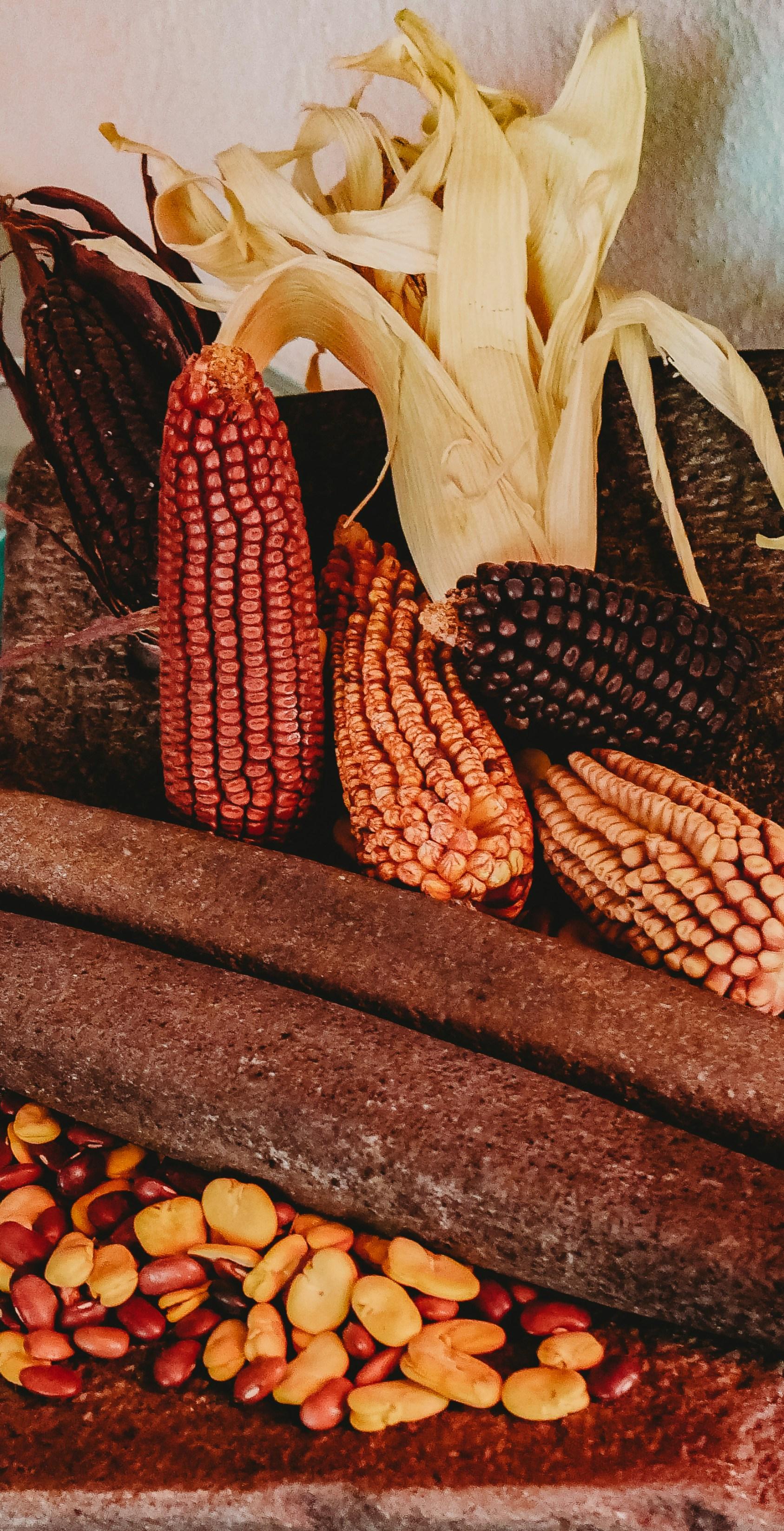
The maize grain boasts a rich tapestry of varieties, each tailored to unique environmental conditions and culinary applications. Major classifications include dent corn, flint corn, sweet corn, and popcorn, each presenting distinct characteristics vital for their specific uses. Dent corn, for example, is prevalent in grain production due to it’s higher starch content, making it ideal for animal feed and industrial use. In contrast,sweet corn appeals to home consumers,celebrated for its sugary taste and tender kernels,making it a favorite for fresh consumption as well as canning.
Understanding the millability of each variety allows millers and end-users to unlock the full potential of maize. Factors that influence milling outcomes include kernel hardness, moisture content, and particle size preferences. For instance, flint corn possesses a harder outer layer, offering superior milling performance for cornmeal and masa, while dent corn’s softer endosperm lends itself well to finer flour. The accompanying table illustrates the milling potential and applications for each maize variety:
| Maize Variety | Milling Potential | Common Uses |
|---|---|---|
| Dent Corn | Higher starch yield | Animal feed, ethanol production |
| Flint Corn | Excellent for coarse flours | cornmeal, masa, polenta |
| sweet Corn | Soft milling traits | Fresh consumption, freezing, canning |
| Popcorn | Specific flaking characteristics | Snacking, gourmet popcorn |

Milling Techniques: Balancing Tradition and Technology for Optimal Flour
Milling maize is both an art and a precise science, where the ancient techniques of grinding grains meet modern technological advancements. Traditional milling often employs stone mills, which gently crush the maize, preserving the grain’s natural oils and nutrients. This method retains the flavor and character of the corn, creating flour that is rich in taste and historically significant. However,with the rise of technology in food processing,modern milling machines provide speed and efficiency,offering controlled environments that can enhance flour consistency and hygiene. This fusion of techniques allows millers to achieve a delicate balance, producing flour that not only captures the essence of the grain but also meets contemporary demands for quality and safety.
To optimize the milling process, various methodologies can be employed, ensuring the highest quality output. Some key elements include:
- Temperature Control: Maintaining optimal temperatures during milling to prevent nutrient loss.
- Moisture Management: Carefully regulating moisture levels to enhance flour yield and texture.
- Particle Size Distribution: Adjusting milling processes to achieve the desired flour fineness.
Additionally, modern milling technology allows for real-time monitoring and adjustments, ensuring that quality is maintained at every stage of production. Below is a simple comparison table showcasing traditional versus modern milling methods:
| Aspect | Traditional Milling | Modern Milling |
|---|---|---|
| output Speed | Slow | Fast |
| Nutrient Retention | High | Varies |
| Flavor Profile | Robust | slightly Milder |
| Operational Cost | Moderate | High |
By merging these approaches, millers can leverage the strengths of each method, ensuring that the finished maize flour meets the highest standards of quality expected by consumers. In a world increasingly focused on sustainability and health, this delicate interplay between tradition and technology not only serves the modern palate but also pays homage to the age-old practices that shaped our culinary heritage.

Quality Control in Maize Milling: Ensuring Consistency from Farm to Bakery
Quality control in the maize milling process is crucial for achieving consistent flour that meets both culinary and nutritional standards.From the moment the maize is harvested, meticulous attention is paid to every stage of the pathway to ensure the quality of the final product. This encompasses an array of steps including:
- Seed selection: Choosing high-quality,disease-resistant maize varieties as a foundation.
- Harvest Monitoring: Conducting timely and careful harvesting to prevent spoilage and maintain moisture levels.
- Storage Practices: Utilizing controlled environments for storing maize to ward off insect infestations and fungal growth.
During the milling process, further quality checks occur, focusing on the physical and chemical properties of the flour milled. This includes assessments of:
- Granulation Size: Ensuring the flour is ground to the appropriate fineness for baking.
- Moisture Content: Maintaining an optimal moisture level to enhance shelf life and baking performance.
- Test Baking: Conducting baking trials using the flour to evaluate its performance in real-time and ensure it meets industry standards.
| Quality Control Factors | Impact on Final Product |
|---|---|
| Seed Quality | Foundation for healthy plants and superior yield |
| Milling process | Determines texture and usability of flour |
| Storage Conditions | Prevents spoilage and maintains freshness |
In Retrospect
As we draw the curtain on our exploration of maize milling, it becomes clear that this process is much more than the simple grinding of grains. It is indeed a delicate dance between nature and nurture, where each step—from the careful selection of seeds to the meticulous production of flour—reflects the intricate relationship between agriculture and technology. the journey from seed to flour is a testament to human ingenuity, showcasing our ability to harness nature’s gifts and transform them into essential products that nourish our communities.
With each kernel of maize, we celebrate not just a staple food but also the rich cultural heritage it represents across various civilizations. As we continue to innovate and refine our milling techniques, we honor the age-old traditions while embracing the advancements of science. This evolving craft remains essential to food production, sustaining economies and feeding generations.
In the grains we grind, we recognize the lasting practices that lead us toward a brighter future, where the art of maize milling not only supports our daily meals but also promotes ecological stewardship. Thus, the story doesn’t end here; it unfolds further with each loaf of bread and every bowl of porridge served, inviting us to appreciate the journey from field to table. As consumers, let us be mindful of the origins of our food and the intricate processes that bring it to our plates, ensuring that the legacy of maize milling continues to thrive for generations to come.