
From Kernels to Flour: The Art of Maize Milling Explained
In the heart of many global kitchens lies a humble yet transformative ingredient: maize. Known by many names—corn, sweet corn, or maize—this versatile grain has been a staple for countless cultures, playing a vital role in culinary traditions across continents. Yet, the journey from the simple kernel to finely milled flour is a fascinating process, steeped in history and rich in craftsmanship. As we explore the art of maize milling, we uncover the intricate techniques, traditions, and technologies that have evolved over centuries. Join us as we delve into this age-old practice, shedding light on the interplay between nature, culture, and innovation that gives rise to one of the world’s most beloved food staples.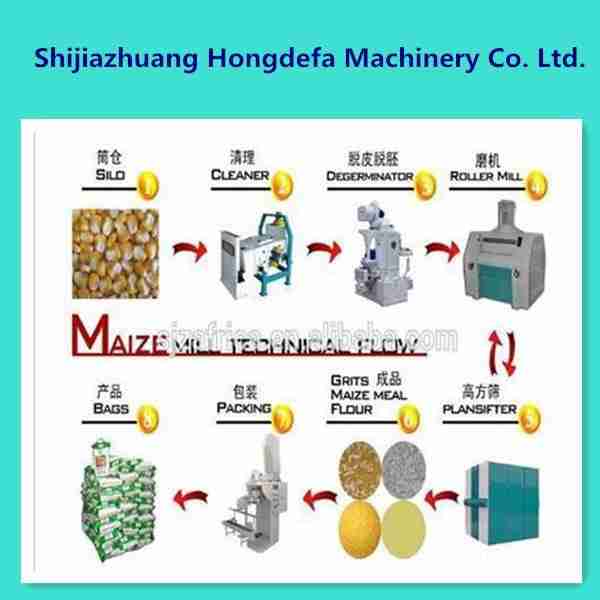
Understanding the Maize Milling Process: From Kernel Selection to Final Product
The journey of maize milling begins with the meticulous selection of kernels. The quality of the final product heavily relies on the type of maize used. Various factors such as kernel size, moisture content, and varietal characteristics play a crucial role in this initial stage. Millers often choose dent corn for its superior milling properties; it possesses a higher starch content, which results in a finer flour. Additionally, ensuring that the kernels are clean and free of impurities is essential to produce high-quality flour. Once the desired kernels are selected, they undergo a thorough cleaning process to remove any foreign materials, thereby preparing them for the milling equipment.
After the selection and cleaning of the kernels, the milling process itself is a delicate dance of machines and techniques. The cleaned maize is first conditioned, usually by adding moisture, to facilitate easier grinding. This process can involve a series of grinding and sieving operations that progressively refine the flour. Here, two essential aspects come into play: grinding technology and sifting techniques. The milling process is commonly broken down into several operations, such as:
- Break rolls: These machines crack the kernels open to release the endosperm.
- Reduction rolls: They finely grind the endosperm into flour.
- Sifting: This separates the fine flour from larger particles.
This carefully orchestrated process culminates in a fine maize flour that is ready for various culinary delights. The final product can vary in texture and color, influenced by both the milling technique and the maize variety. Below is a simple table illustrating the common types of maize flour produced during the milling process:
| Flour Type | Texture | Common Uses |
|---|---|---|
| Fine Corn Flour | Smooth | Baking, Batters |
| Coarse Cornmeal | Gritty | Polenta, Muffins |
| Degerminated Flour | Medium | Tortillas, Pancakes |
Exploring the Different Milling Techniques and Their Impacts on Flour Quality
The journey from kernels to flour is influenced significantly by the techniques employed during milling. Each method not only alters the texture and appearance of the final product but also impacts the nutritional profile and flavor. Common milling techniques include:
- Stone Milling: This traditional technique retains the bran and germ, resulting in flour rich in nutrients and flavor.
- Roller Milling: Commonly used in industrial settings, this method provides fine, white flour with extended shelf life but may strip away essential nutrients.
- Hammer Milling: Characterized by its ability to produce coarser flour, hammer milling is often employed for specific grain mixes and can lead to variable particle sizes.
Each milling technique generates distinct flour characteristics that cater to various culinary needs. To understand the impact on flour quality, consider the table below, which highlights the primary aspects associated with each milling type:
| Milling Technique | Texture | Flavor | Nutritional Value |
|---|---|---|---|
| Stone Milling | Coarse to fine | Rich and nutty | High (maintains bran and germ) |
| Roller Milling | Very fine | Neutral | Lower (loss of nutrients) |
| Hammer Milling | Variable (coarse to fine) | Distinctive depending on grain | Moderate |
Ultimately, understanding these milling techniques can aid both consumers and producers in selecting the right flour for their culinary creations while appreciating the craftsmanship involved in transitioning from kernel to flour.
Essential Equipment for Efficient Maize Milling: A Comprehensive Guide
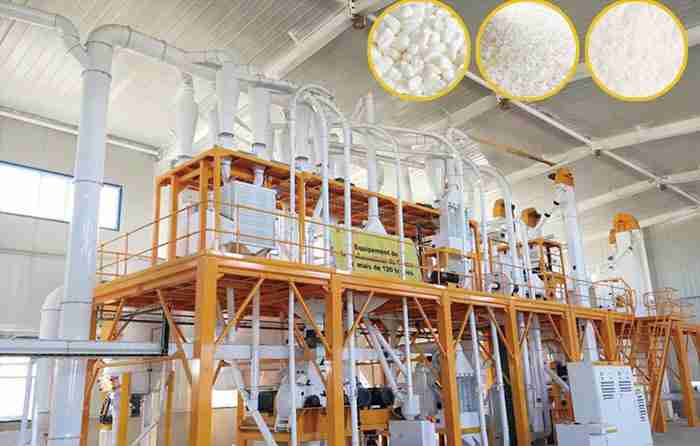
To achieve optimal results in maize milling, investing in the right equipment is crucial. Start with a high-quality maize grinder, which serves as the heart of the milling process. These grinders vary in size and power, catering to both small-scale and industrial needs. Depending on your production scale, you might want to choose between hammer mills or roller mills, each offering distinct milling efficiencies and grain textures. Additional essential tools include a sifting machine for separating finer flour from coarser particles, and elevators for smooth transport of the milled maize within your facility.
Moreover, ensuring the safety and quality of your milling process is vital. Incorporate dust collection systems to maintain a clean working atmosphere and comply with health regulations. To facilitate smooth operations, consider maintenance tools specifically designed for maize milling equipment, which can help extend the lifespan of your machines. Below is a simple summary of essential equipment:
| Equipment Type | Purpose |
|---|---|
| Maize Grinder | Core machine for milling maize into flour. |
| Sifting Machine | Separates fine flour from coarser grain bits. |
| Dust Collection Systems | Maintains air quality and safety standards. |
| Elevators | Transports maize and flour between machines. |

Sustainable Practices in Maize Milling: Balancing Production and Environmental Responsibility
In the quest for efficient maize milling, the industry is turning towards sustainable practices that not only enhance productivity but also prioritize ecological health. Implementing technologies that minimize energy consumption and reduce waste is key. For instance, many millers are exploring renewable energy sources, such as solar and wind power, to operate machinery and reduce reliance on fossil fuels. Additionally, adopting innovative water recycling systems can significantly decrease water usage, a crucial factor considering the increasing scarcity of this vital resource. Other sustainable initiatives include:
- Zero waste practices: Utilizing all parts of the maize plant, including husks and cobs, for bioenergy or as animal feed.
- Organic farming collaborations: Sourcing maize from local organic farms to decrease transportation emissions and support sustainable agriculture.
- Eco-friendly packaging: Shifting to biodegradable or recyclable materials for packaging flour products, thus reducing plastic waste.
Furthermore, mills are increasingly evaluating their carbon footprints and looking for ways to improve supply chain sustainability. By fostering partnerships with local farmers, milling companies can create a more transparent and responsible sourcing process, ensuring that ethical standards are met. The integration of technology plays a significant role, with advancements in smart milling systems leading to optimized grain use and reduced spoilage. Essential strategies being adopted include:
| Strategy | Description |
|---|---|
| Energy Efficient Machinery | Utilizing machinery that requires less energy without compromising performance. |
| Community Engagement | Involving local communities in sustainable practices, enhancing social responsibility. |
| Continuous Improvement | Regular assessments of processes to identify and implement sustainability improvements. |
Future Outlook
As we conclude our journey from the humble kernel to the fine flour, it is clear that maize milling is not merely a mechanical process; it is an intricate dance of tradition, science, and artistry. Each step—harvesting, drying, grinding—plays a crucial role in transforming raw grains into a versatile ingredient that has sustained cultures for generations. Understanding the nuances of this craft allows us to appreciate the effort and skill involved in bringing maize from farm to table.
In a world where convenience often overshadows craftsmanship, the age-old art of milling reminds us of the profound connection we share with our food. The next time you sprinkle corn flour into your recipe, consider the journey it has taken and the myriad hands that contributed to its creation. By valuing these processes, we not only elevate our cooking but also honor the rich history and cultural significance of maize.
As we move forward, let us keep this knowledge close, embracing both the innovation and tradition that define the world of milling. Whether it’s a staple in your pantry or an ingredient for your culinary adventures, maize flour offers a world of possibilities waiting to be explored. Happy cooking!




