
In the heart of many culinary traditions lies a staple ingredient that has shaped diets and cultures for millennia: maize. This vibrant grain, with its golden kernels nestled within husks, tells a rich story that transcends geography and time. From the vast fields where it sways gently in the wind to the bustling mills where it undergoes meticulous transformation, maize is more than just a crop; it is the foundation of countless recipes, from warm tortillas to hearty cornbread. In this article, we embark on an exploration of the enchanting journey from kernel to flour, unveiling the art and science of maize milling. We will delve into the techniques, tools, and age-old practices that have defined this essential process, celebrating the craftsmanship that brings this humble grain to our tables, bridging tradition with innovation. Join us as we uncover the layers of history, culture, and technology wrapped within every bag of maize flour, revealing not just a product, but a celebration of life itself.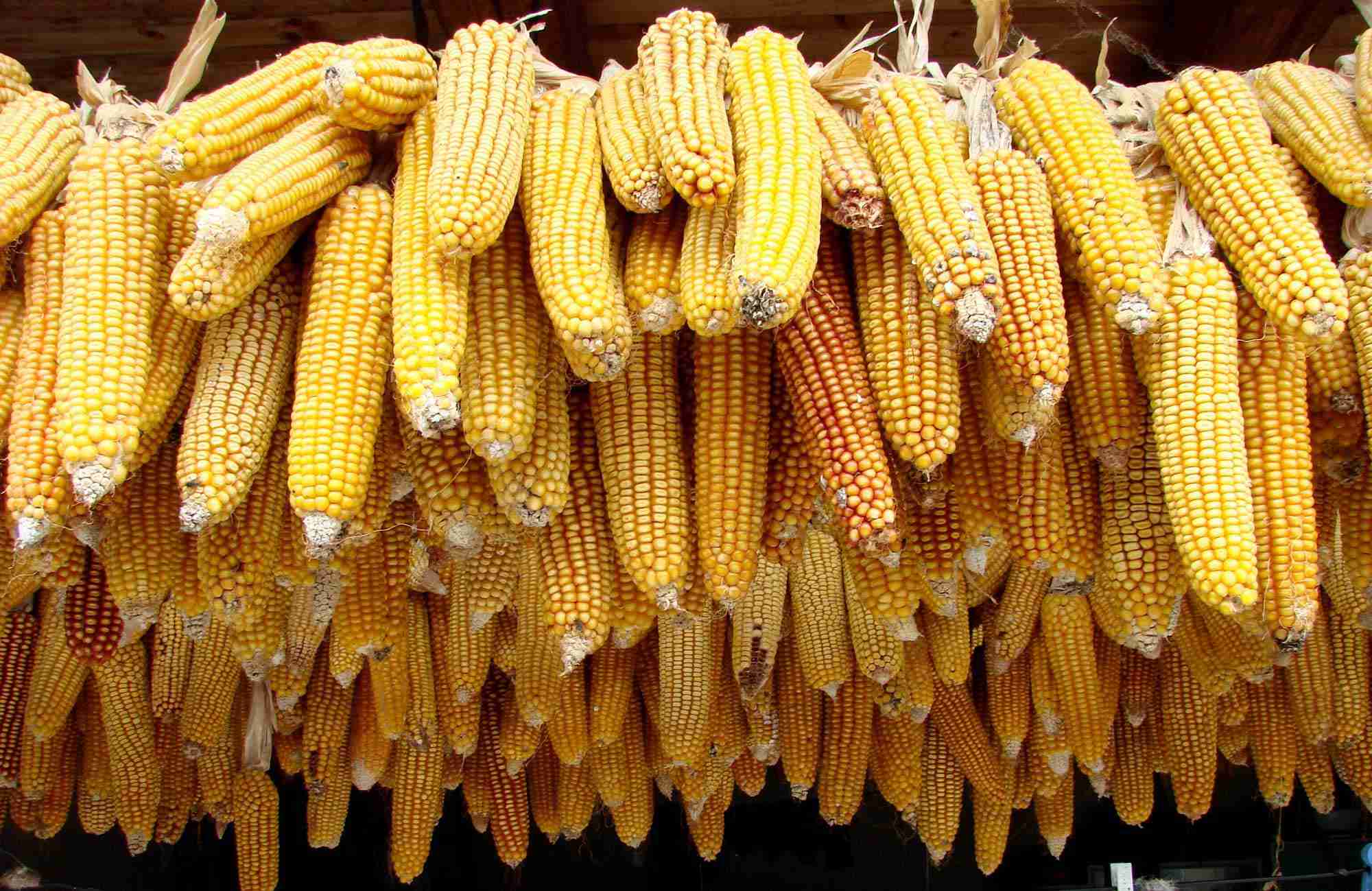
The Journey of Maize: Understanding the Kernels Potential
Deep within the golden hue of maize lies a world of potential waiting to be unveiled. Each kernel brims with nutritional value and culinary versatility, making it a staple across numerous cultures. With a rich history tracing back thousands of years, maize has provided sustenance and inspired creativity in the kitchen. As we delve into the art of milling, we uncover the transformation of these humble kernels into a fine, airy flour that elevates a variety of dishes. Texture modulation, nutritional enhancement, and culinary innovation are just a few benefits that arise from this meticulous process.
In the heart of milling, the journey of maize can be seen as a delicate choreography, where every step is crucial for achieving the desired product. Stages of Milling include the grinding, sifting, and refining phases, each designed to extract the best qualities from maize while preserving its integral properties. Here’s a glimpse into how kernels are transformed into gluten-free flour:
| Stage | Description |
|---|---|
| 1. Cleaning | Elimination of impurities and foreign materials to ensure purity. |
| 2. Conditioning | Additional moisture is introduced to achieve the perfect texture before milling. |
| 3. Grinding | Kernels are crushed and broken down into smaller particles. |
| 4. Sifting | Separation of finer flour from coarser particles for consistency. |
| 5. Packaging | The final product is packaged for distribution, ready for culinary creativity. |
Through this intricate process, the potential locked within each kernel is transformed into the flour that enriches our meals. From cornbread to tortillas, the versatility of maize flour opens up endless possibilities for home cooks and professional chefs alike. Understanding this journey not only deepens our appreciation for a kitchen staple but also highlights the importance of sustainable farming practices to ensure a robust future for maize cultivation.
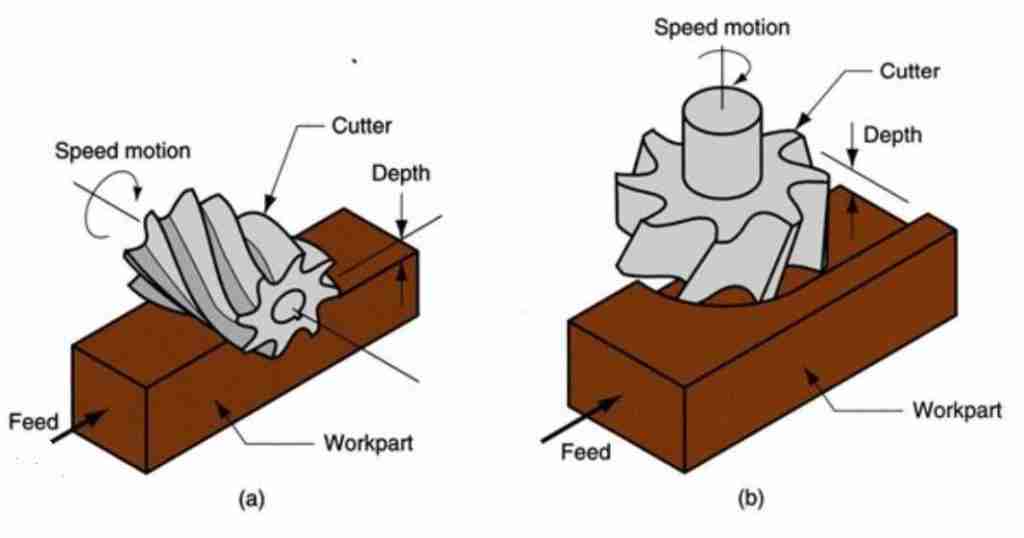
Milling Techniques: Choosing the Right Method for Quality Flour
Milling is an intricate dance of art and science, where the choice of technique significantly influences the quality and characteristics of the final flour. The milling process can be broadly categorized into several methods, each tailored to meet specific needs and desired outcomes. Understanding these methods allows millers to optimize the milling process for different types of maize flour, whether for culinary creations or industrial applications. Some commonly employed techniques include:
- Stone Milling: A traditional method that preserves the integrity of the grain, resulting in coarse flour rich in nutrients.
- Roller Milling: A modern approach utilizing multiple grinding passages, which yields a finer, more uniform flour suitable for baking.
- Hammer Milling: This technique breaks down maize into flour through rapid impacts, ideal for producing coarse flour used in animal feeds.
Factors influencing the choice of milling method include desired flour texture, application, and nutritional value. For instance, if a miller aims to retain maximum vitamins and minerals from the grain, they might opt for a stone milling process despite its slower output. Conversely, a mill focused on large-scale production of refined flour for bread-making may prefer roller milling. Each milling technique offers distinct advantages and trade-offs, making it essential to align the milling method with the end product’s functional characteristics.
| Milling Technique | Benefits | Best Use |
|---|---|---|
| Stone Milling | Retains nutrients | Whole grain applications |
| Roller Milling | High efficiency | Baking and pastries |
| Hammer Milling | Versatile and quick | Animal feed |

Nutritional Insights: Enhancing Health Through Proper Milling
The journey from kernel to flour holds more than just culinary significance; it is deeply intertwined with nutritional benefits that can enhance our overall health. Proper milling maintains the integrity of the nutrient-rich components found in maize. By preserving the germ, bran, and endosperm, we ensure that essential vitamins, minerals, and fibers remain intact in the final flour product. This practice supports the following health benefits:
- Improved Digestive Health: The high fiber content aids in digestion and promotes gut health.
- Nutrient Density: Keeping proteins, vitamins (especially B vitamins), and healthy fats in the flour contributes to a more balanced diet.
- Reduced Glycemic Index: Whole grain flours produced through careful milling can help regulate blood sugar levels.
Milling methods also significantly impact the nutritional opportunities presented by maize. Modern innovations like stone milling help retain the natural oils and flavors of the grain while minimizing nutrient loss, compared to more refined methods. When choosing maize flour, consider the following attributes:
| Milling Method | Nutritional Impact |
|---|---|
| Stone Milling | Retains oils and nutrients, high fiber content |
| Roller Milling | Removes bran and germ; lower in fiber and nutrients |
| Impact Milling | Fast processing; may compromise some nutrients |
By understanding the milling process and opting for whole grain varieties, consumers can make informed choices that not only satisfy their taste buds but also enhance their nutritional intake. Emphasizing proper milling techniques ensures that we unlock the full potential of maize, contributing to better health outcomes while celebrating the rich tradition of grain processing.

Sustainability Practices: Cultivating a Greener Milling Process
In the quest for a greener future, the milling industry is redefining its practices to ensure sustainability at every stage of production. By using renewable energy sources, many mills are now capable of reducing their carbon footprint. Additionally, implementing energy-efficient machines and lighting systems not only conserves resources but also cuts operational costs. Other significant steps include:
- Water Conservation: Employing closed-loop systems to recycle water used in production.
- Waste Reduction: Utilizing byproducts such as husks and germ for animal feed, thus minimizing waste.
- Local Sourcing: Partnering with local farmers to reduce transportation emissions and support the community.
Beyond these initiatives, several mills are investing in innovative technology that enhances their sustainability. With advancements in digital milling processes, producers can optimize yield while minimizing resource use. Furthermore, many are actively exploring eco-friendly packaging options to reduce plastic waste:
| Packaging Type | Environmental Benefits |
|---|---|
| Biodegradable Bags | Compostable and reduces landfill impact |
| Recycled Materials | Decreases reliance on virgin resources |
| Reusable Containers | Encourages repeat use and reduces waste |
The Way Forward
As we draw the curtain on our exploration of maize milling, we’ve unveiled the intricate journey that transforms humble kernels into the versatile flour cherished by countless cultures. This process, an art form in its own right, intertwines tradition with innovation, skillfully balancing age-old techniques with modern technology. Whether fueling the fragrant tortillas of Mexico or the cherished cornbread of the American South, maize flour carries with it the stories and traditions of generations.
In understanding the craftsmanship behind maize milling, we gain a deeper appreciation for the grain itself and the hands that nurture it from field to table. So, the next time you savor a dish made with maize flour, remember that it is more than just a culinary ingredient; it is a testament to the journey of a grain, the bond between culture and cuisine, and the mastery of artisans who pour their knowledge and passion into every batch. With this insight, we invite you to continue celebrating the rich tapestry of flavors and histories woven into every morsel of maize flour—a true culinary treasure waiting to be explored.




