
From Kernel to Commodity: The Journey of Corn Processing
Corn, often dubbed the “golden grain,” has woven itself into the fabric of agriculture and industry, transcending its humble origins as a staple crop to become a vital commodity in a global economy. This journey—from simple kernels sprouting in sunlit fields to a multifaceted player in the marketplace—highlights the intricate processes and innovations that define corn processing. As we delve into the fascinating transformation of this versatile grain, we will explore the various stages it undergoes, the technologies that propel its evolution, and its far-reaching impacts on diverse industries, from food production to biofuels. Join us as we uncover the remarkable path of corn, revealing how each step in processing contributes to its stature as a cornerstone of modern agriculture and a key player in our daily lives.
Understanding Corns Role in the Global Agriculture Landscape
Corn, often referred to as maize, occupies a crucial position in the global agricultural economy, transcending its humble origins as a staple crop. Rich in versatility, corn is used in various forms ranging from food for humans to livestock feed and even biofuel production. This remarkable adaptability contributes significantly to the agricultural landscape by supporting diverse markets and enabling farmers to cultivate a profitable crop that requires relatively low inputs compared to other grains. Furthermore, corn’s role extends beyond traditional agriculture as it enters complex supply chains, impacting everything from food security to international trade dynamics.
The journey of corn processing is equally fascinating, taking raw kernels through a myriad of transformation stages to enhance their value and utility. These stages include dry milling, wet milling, and production processes such as corn syrup and ethanol. Each method not only maximizes nutrient usage but also embodies innovative agricultural practices. Here’s a simple representation of the corn processing stages and their outcomes:
| Processing Method | End Products |
|---|---|
| Dry Milling | Flour, Meal, Grits |
| Wet Milling | Syrup, Oil, Sweeteners |
| Fermentation | Ethanol, Animal Feed |
This comprehensive process ensures that corn remains a viable and essential component of both global consumption patterns and economic stability, fostering advancements that address the ongoing challenges within the agricultural sector.

The Process of Transformation: From Field Harvest to Market Ready
The journey of corn processing begins with the meticulous extraction of kernels from the cob, a step that requires both precision and care. Following the harvest, ears of corn are ideally inspected and sorted to ensure that only the best quality make it to the processing stage. This initial assessment is crucial as it determines the overall quality of the final product. Once sorted, the kernels undergo a thorough cleaning process to remove any impurities, such as debris, soil, or residual husks. This is often achieved through a series of mechanical cleaning machines that use air, screens, and gravity.
Subsequent to cleaning, the kernels are subjected to various methods of processing that transform them into market-ready commodities. The most common processes include:
- Dry Milling: In this method, the kernels are ground into flour or cornmeal, ideal for baking and cooking.
- Wet Milling: This technique separates the corn into its components – starch, gluten, and fiber – allowing for a broader range of uses in food and industrial applications.
- Instantizing: Instantized corn products provide convenience, as they only require the addition of water for rehydration.
| Processing Method | Key Use |
|---|---|
| Dry Milling | Corn flour, cornmeal |
| Wet Milling | Starch, sweeteners, ethanol |
| Instantizing | Ready-to-use food products |
Following these transformations, the corn products are packaged and delivered to retailers, ensuring they meet consumer demands. Quality control at this stage is imperative; samples from batches are routinely checked for consistency and compliance with food safety regulations. As these processed corn products hit the market, they find their way into countless recipes and products, from snacks to beverages, reflecting the versatility of corn and the intricate processes it undergoes before reaching the consumer’s pantry.
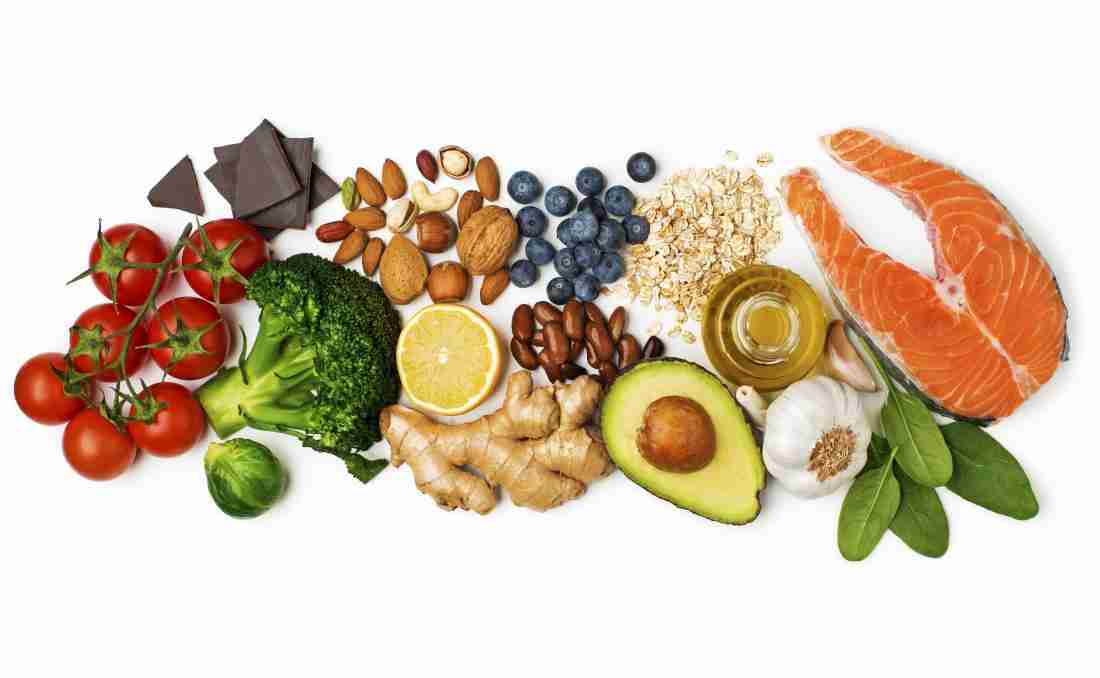
Nutritional Benefits and Versatile Uses of Processed Corn Products
Processed corn products are not only staples in many kitchens around the globe but also packed with numerous nutritional benefits. Rich in carbohydrates, corn provides an essential source of energy. It is also a notable source of fiber, which can aid in digestion and contribute to heart health. Additionally, corn products often contain vitamins like B-complex vitamins—essential for energy metabolism and overall well-being—as well as antioxidants, such as lutein and zeaxanthin, which are beneficial for eye health. Enrichment with minerals, notably magnesium, phosphorus, and potassium, further enhances their nutritional profile, making processed corn a well-rounded ingredient in various diets.
The versatility of corn products extends into a multitude of culinary applications. From cornstarch used as a thickening agent in sauces and soups to cornmeal that elevates baked goods, the adaptability of corn keeps it relevant in various cuisines. Here are some key processed corn products and their uses:
| Product | Uses |
|---|---|
| Corn Flour | Ideal for baking gluten-free items |
| Corn Syrup | Sweetener for candies and desserts |
| Popcorn | Snack and movie time favorite |
| Corn Oil | Cooking oil and for salad dressings |
This vast range of corn products not only enriches our meals but also ensures that they can be tailored to various dietary preferences and culinary traditions, from rustic corn tortillas to sophisticated polenta dishes. As a result, processed corn continues to play a vital role in enhancing nutrition while satisfying diverse palates across the globe.

Sustainable Practices for Future Corn Processing Innovations
As the world seeks to balance agricultural productivity with environmental stewardship, innovative techniques in corn processing are essential to ensure sustainability. Embracing advanced technologies can significantly reduce waste and enhance yield. Traditional methods often produce substantial by-products that can lead to environmental challenges; however, modern practices enable a circular approach to processing. Some innovative strategies include:
- Water conservation methods: Implementing closed-loop systems and rainwater harvesting.
- Bioenergy integration: Utilizing corn by-products for biofuel production.
- Precision agriculture: Utilizing data analytics for tracking growth and resource allocation.
Additionally, collaboration among stakeholders fosters an environment for research and development in eco-friendly processing techniques. By investing in biodegradable packaging and optimizing supply chains, the corn industry can minimize its carbon footprint while maximizing economic returns. Some noteworthy initiatives include:
| Initiative | Impact |
|---|---|
| Composting by-products | Reduces landfill waste and enriches soil |
| Carbon credit programs | Encourages greener practices among farmers |
| Research on drought-resistant corn | Improves resilience in changing climates |
To Wrap It Up
As we draw the curtains on the intricate journey of corn processing, it becomes evident that what starts as a humble kernel holds the potential to transform entire industries and sustain communities. From its roots in ancient agriculture to its pivotal role in today’s economy, corn embodies the dynamic interplay between nature and human ingenuity. Each stage of processing, be it milling, refining, or transforming into myriad products, reveals the remarkable versatility of this staple crop.
As we look toward the future, the journey of corn is a testament to innovation and adaptation in an ever-evolving landscape. Whether it’s powering our bodies with nutrition or fueling our industries, corn continues to be more than just a commodity; it is a symbol of resilience and progress. The metamorphosis from seed to a plethora of by-products invites us to appreciate not just the journey itself but the potential for continued growth and sustainability. In embracing this cycle, we acknowledge our interconnectedness with the land and the vital resources it provides, reminding us that every kernel tells a story worth following.




