In the heart of our daily routines lies a simple yet profound staple: cereal. Whether it graces our breakfast bowls or serves as the foundation for our favorite snacks, the journey from grain to grit is a remarkable odyssey that ofen goes unnoticed. Just as a painter transforms a blank canvas with each brushstroke, the art of cereal milling marries science with tradition, merging ancient techniques with modern innovation. This article delves into the intricate process that takes humble grains and meticulously transforms them into the versatile flours and meals we rely on, revealing the craftsmanship behind this essential industry. Join us as we unpack the stages of milling, explore the machinery that drives this age-old practice, and celebrate the craftsmanship that keeps our pantries stocked and our meals delightful.
The Science of grain Selection for Optimal Milling Outcomes
The journey from grain to grit in cereal milling begins long before the first millstone is set in motion; it starts with the meticulous selection of grains. Various factors influence the milling process, making the choice of grain pivotal. These factors include:
- Moisture Content: The optimal moisture level is essential for achieving the desired flour quality.
- Hardness: Hard grains tend to produce finer, more powdery flour, whereas softer grains might yield coarser textures.
- Kernel Integrity: Whole, undamaged kernels facilitate a smoother milling process and enhanced flour characteristics.
- Varietal Characteristics: Different varieties offer unique flavor and nutritional profiles, which influence their end-use suitability.
Understanding the composition of grains also plays a significant role in determining their milling outcomes. Key attributes such as protein content and gluten strength affect how a grain will perform in milling and subsequent baking processes. A helpful overview includes:
| Grain Type | Protein Content | Gluten strength | Best Use |
|---|---|---|---|
| Hard Red Wheat | 12-14% | High | Bread Flour |
| Soft White wheat | 8-11% | Low | Cakes & Pastries |
| Durum Wheat | 13-15% | Very High | Pasta |
This synthesis of grain selection and its inherent properties establishes the groundwork for producing flour tailored to specific culinary needs, illustrating the compelling intersection of nature and technology in the milling process.
Understanding the Milling Process: Techniques and Technologies
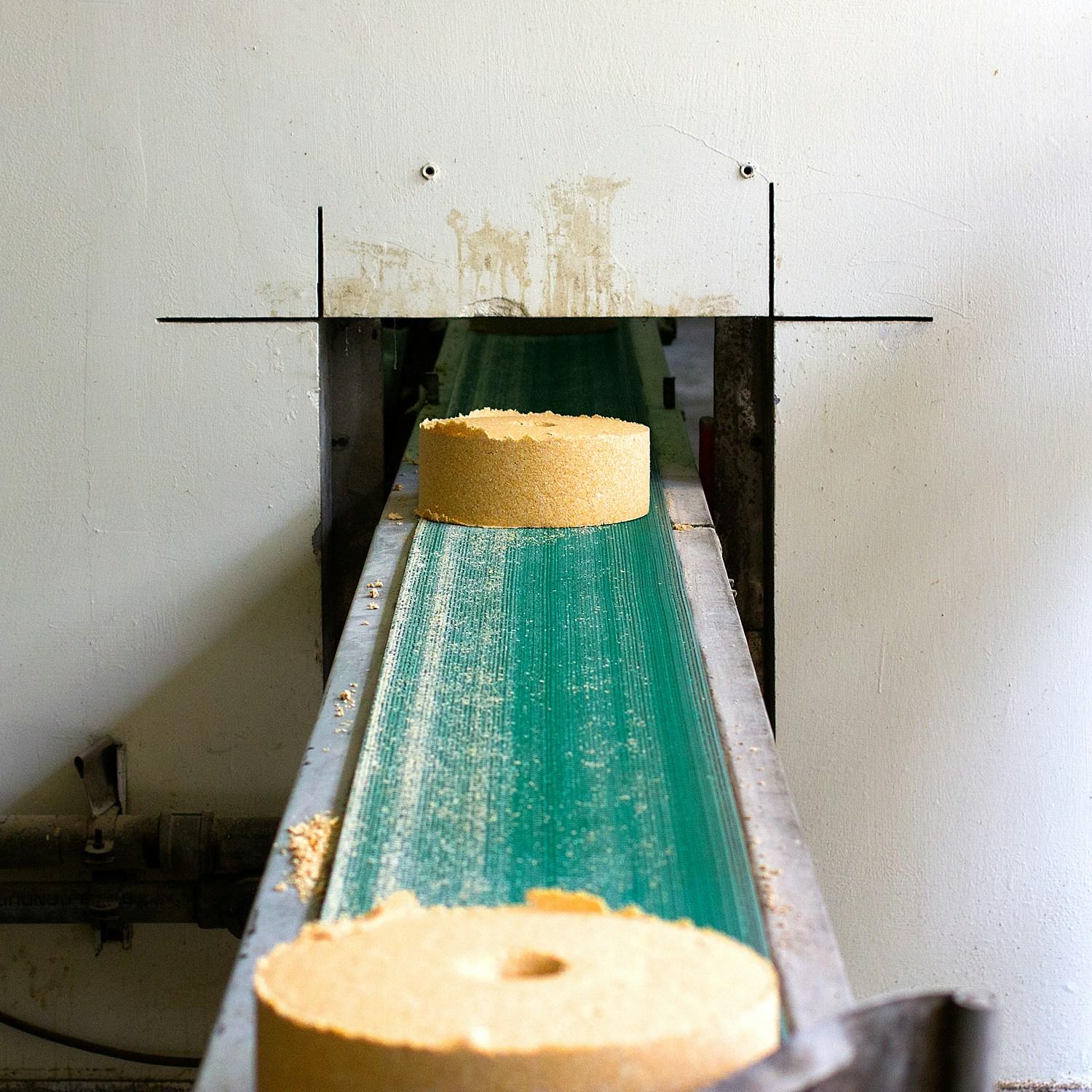
The milling process is a meticulous blend of art and science, transforming whole grains into finely ground flour through various techniques. At its core, the process involves two primary methods: stone milling and roller milling. Stone milling is one of the oldest techniques, where traditional stone wheels slowly grind the grain, preserving more nutrients and flavor. In contrast, roller milling, developed during the industrial revolution, employs a series of steel rollers to break down grain more efficiently, producing a finer texture that pairs well with modern baking needs. Each method produces distinct flours, catering to different culinary applications.
Furthermore, advancements in milling technology have substantially enhanced the quality and efficiency of grain processing. Modern mills utilize sifting and purification systems to ensure consistency and remove impurities. The process also incorporates temperature control mechanisms to minimize heat generation, preserving the integrity of the flour. Below are some key technologies and their impacts on milling:
| Technology | Description | Impact |
|---|---|---|
| Automated Sifters | Separates fine flour from coarser particles without manual effort | Increases efficiency and uniformity |
| Heat Control Systems | Regulates temperature during milling | Preserves enzyme activity and flavor |
| Digital Monitoring | Tracks quality metrics in real-time | Ensures consistent product standards |

The Role of Quality Control in Cereal Production
Quality control plays a crucial role in ensuring that the end product of cereal milling meets the highest standards of safety and quality. Throughout the milling process, rigorous testing is performed at various stages to monitor the grain’s characteristics and the resulting flour’s quality.This includes assessing parameters such as moisture content, particle size, and dough strength. By implementing strict quality control protocols,mills can identify and rectify any deviations from desired specifications,thereby maintaining consistency and reliability in the final cereal products.
Moreover, the incorporation of advanced technologies in quality control systems enhances the effectiveness of these inspections. Automated systems equipped with sensors and software can quickly analyze grain characteristics and detect potential issues in real time. Some of the key aspects monitored include:
- Visual inspections for foreign materials
- Laboratory analysis for nutritional content
- Microbial testing for safety assurance
To illustrate the impact of quality control, the following table provides a snapshot of common quality parameters and their acceptable ranges for wheat flour used in cereal production:
| Parameter | Acceptable Range |
|---|---|
| Moisture Content | 12-14% |
| Protein Content | 10-14% |
| Granulation Size | 50-200 Microns |
| Falling Number | 250-350 Seconds |
Through meticulous quality control, cereal production not only enhances the taste and texture of the final products but also guarantees consumer safety, reaffirming the manufacturers’ commitment to excellence.

Innovative Trends in sustainable Milling Practices
The milling industry is currently embracing a wave of innovative approaches that prioritize sustainability without compromising on quality.One emerging trend is the adoption of renewable energy sources throughout the milling process. By harnessing solar or wind power, mills can significantly reduce their carbon footprint.Furthermore, advancements in energy-efficient machinery allow for lower energy consumption per ton of grain processed. This not only aids in environmental preservation but also reduces operational costs, creating a circular benefit for both the planet and the milling businesses. Additionally, mills are increasingly utilizing waste products, such as husks and bran, to create biofuels and animal feed, thereby minimizing waste and promoting a more circular economy in the agricultural sector.
Another noteworthy trend is the implementation of smart technology and data analytics in milling operations. Sensors embedded in milling equipment monitor performance and grain quality in real time, leading to optimized grinding processes that save materials and enhance yield. This data-driven approach allows for predictive maintenance, reducing downtime and ensuring machinery operates at peak efficiency. Moreover, mills are utilizing sustainable sourcing practices by partnering with local farmers who engage in regenerative agriculture, thus supporting local economies and ensuring that the grains processed are grown in environmentally pleasant conditions. By incorporating technology and fostering local partnerships, the milling industry is not only enhancing its efficiency but is also creating a more sustainable and resilient food system.
Future Outlook
As we conclude our exploration of the intricate journey from grain to grit, it becomes clear that cereal milling is not merely a mechanical process but an art form that combines science, tradition, and innovation. Each grain carries within it the potential for transformation, and as it passes through the hands of millers, it evolves into the vital ingredients that nourish our bodies and inspire culinary creativity. Understanding this process deepens our thankfulness for the everyday staples we often take for granted.
So, the next time you pour a bowl of your favorite cereal or bake with flour, remember the craftsmanship involved in every grain’s journey. From the fields where it blossoms to the mills where it is refined, the art of cereal milling embodies a rich tapestry of history and skill that feeds us and connects us to the world of agriculture. As we savor each bite,let us celebrate the dedicated artisans who,through their mastery,continue to bring the essence of grain to our tables.