
In a world where culinary traditions are as diverse as the cultures that create them, few ingredients embody the essence of versatility like maize. From the vibrant streets of Mexico, where masa is a cornerstone of daily feasts, to the comforting porridge served in many African homes, maize’s journey from grain to grains is a tale of transformation and artistry. This article delves into the intricate process of maize milling, where the humble corn cob undergoes a metamorphosis, evolving into a range of products that delight the palate and nourish communities. Join us as we unveil the techniques, history, and innovations behind maize milling, exploring how this age-old craft continues to weave its magic in kitchens and markets around the globe.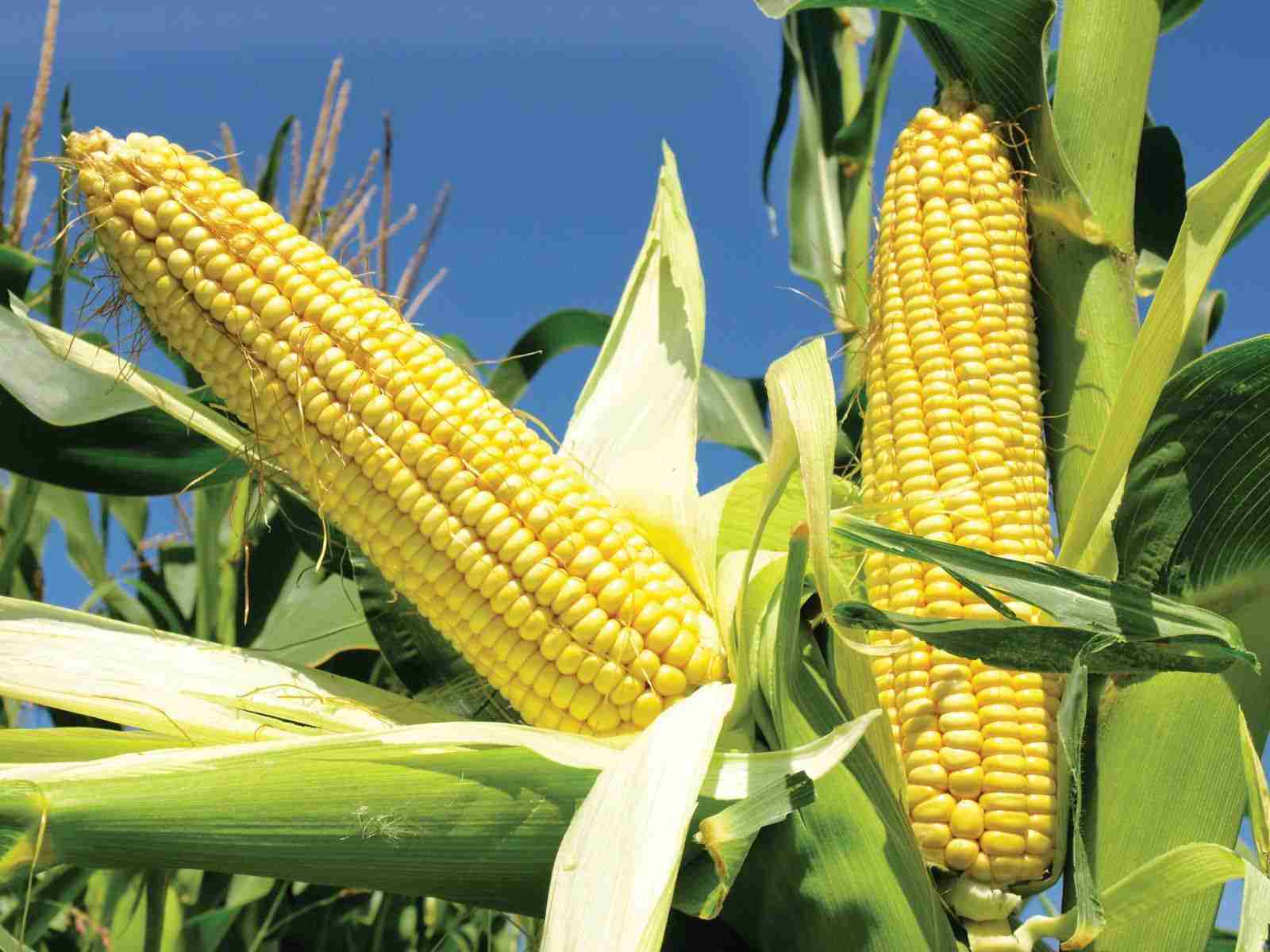
The Journey of Maize: Understanding the Lifecycle from Field to Flour
The journey of maize begins in the rich soil of agricultural fields, where careful cultivation practices ensure that kernels thrive. Farmers select strong, healthy seeds that are planted with precision, allowing crops to sprout, grow, and ripen under the sun’s warm embrace. As the tall stalks of maize flourish, they undergo a transformative process, absorbing essential nutrients and water. This phase is critical, as the health of the crop directly influences the quality of the final product. The corn reaches its peak maturity, turning golden and robust, ready for harvest. Once the time is right, the fields resonate with the sounds of machinery, efficiently collecting the bountiful ears of maize that will eventually make their way to milling facilities.
After harvest, the work of transforming raw maize into flour begins. At the milling plants, modern technology meets age-old techniques to ensure a seamless transition from grain to flour. The maize undergoes several stages: first, it is cleaned to remove impurities, then dried to the ideal moisture level before being ground into fine or coarse flour according to specifications. Various milling methods, such as stone milling and roller milling, contribute to the unique texture and flavor profiles of the final product. Different maize varieties can also yield different results, making each batch a unique experience for bakers and chefs alike. To illustrate this diversity, consider the following table that highlights common maize varieties and their primary milling outcomes:
| Maize Variety | Features | Common Uses |
|---|---|---|
| Yellow Dent | High starch content | Flour, cornmeal, tortillas |
| White Corn | Smooth texture, mild flavor | Tortillas, polenta |
| Flint Corn | Hard kernels, colorful | Popcorn, decorative items |

Mastering the Milling Process: Techniques That Transform Maize into Versatile Grains
The intricate process of transforming maize into a myriad of versatile grains requires a blend of technique, precision, and understanding of the raw ingredient. One of the first steps in this journey is selection; the quality of maize dictates the final product. Factors such as moisture content, kernel size, and varietal characteristics must be carefully evaluated. Once the maize is selected, the milling technique plays a crucial role in preserving its integrity while extracting various forms. Traditional methods, such as stone milling, allow for a slower, gentler process that maintains the nutritional profile of the grain, while modern approaches like roller milling can achieve finer textures and greater efficiency.
Moreover, understanding the end uses of milled maize greatly informs the milling technique chosen. Different granulation levels can cater to diverse culinary and industrial applications, from coarse grits favored in hearty dishes to fine flour perfect for baking. This versatility is highlighted in the following table, showcasing common maize products and their typical milling processes:
| Maize Product | Milling Technique | Typical Use |
|---|---|---|
| Maize Flour | Fine Grinding | Baking, Pastries |
| Maize Grits | Coarse Milling | Polenta, Grits |
| Cornmeal | Medium Grinding | Pancakes, Cornbread |
| Corn Starch | Refined Milling | Thickening Agent |
This exploration into maize milling not only showcases the transformation from grain to various grains but also emphasizes the artistry involved. Each milling method—whether it’s the age-old practice or the use of cutting-edge technology—creates distinct textures and flavors, further enhancing the culinary landscape. By mastering these techniques, one can unlock the full potential of maize, revealing its unparalleled versatility in the kitchen and beyond.

Nutritional Benefits of Maize: Unlocking the Health Potential in Every Kernel
Maize, often referred to as corn, is not just a staple grain; it is a nutritional powerhouse brimming with a variety of health benefits. Rich in essential vitamins and minerals, this versatile grain contributes significantly to a balanced diet. Key nutrients found in maize include:
- Carbohydrates: Serving as a primary energy source, maize fuels daily activities.
- Fiber: Aids in digestion and promotes gut health.
- Vitamins B6 and B9: Important for brain health and cellular functions.
- Magnesium: Supports muscle function and bone integrity.
- Antioxidants: Protects against oxidative stress and may reduce the risk of chronic diseases.
Moreover, maize is naturally gluten-free, making it an excellent choice for individuals with gluten sensitivities or celiac disease. Its versatility allows it to be consumed in many forms—polenta, tortillas, or popcorn—adding not just flavor but also nutrition to various dishes. The health benefits of maize can be summarized in the table below:
| Nutrient | Benefit |
|---|---|
| Carbohydrates | Energy Boost |
| Fiber | Digestive Health |
| Vitamins | Brain and Cellular Function |
| Magnesium | Muscle and Bone Support |
| Antioxidants | Chronic Disease Prevention |

Sustainable Practices in Maize Milling: Recommendations for an Eco-Friendly Approach
Implementing sustainable practices in maize milling not only benefits the environment but also enhances the overall quality and marketability of the end products. Emphasizing waste reduction can be a game-changer; by utilizing every part of the maize, from the husks to the cobs, milling facilities can create additional revenue streams such as animal feed or biofuels. The introduction of energy-efficient milling machines and technologies can drastically cut down on energy consumption, aligning with green energy initiatives. Investing in renewable energy sources—like solar or wind—provides an alternative power supply, further reducing the carbon footprint of milling operations.
Moreover, the application of organic farming methods in sourcing maize can enhance sustainability. Encouraging local farmers to adopt these practices fosters a community-centric approach that benefits both the economy and the ecosystem. Facility design should also reflect a commitment to sustainability; incorporating rainwater harvesting systems and wastewater recycling can significantly lower resource waste. By fostering a circular economy mentality, maize milling facilities can not only thrive but also serve as models of environmental stewardship in the agricultural sector.
Future Outlook
As we draw the curtain on our exploration of maize milling, it becomes abundantly clear that this art form is more than just a process; it is a bridge connecting the earth to our tables. From the golden fields swaying under the sun to the rhythmic symphony of the millstone, each stage of milling reveals a rich tapestry woven with tradition, innovation, and cultural significance.
With every grain that crumbles and every flour that sifts, we are reminded of the countless hands and generations that have perfected the craft, ensuring that the humble maize continues to nourish and inspire. Embracing both the old and the new, maize milling stands as a testament to human ingenuity—a celebration of adaptability in a world that constantly evolves.
As you reflect on the journey from grain to grains, think not only of the culinary delights that await but also of the stories behind each kernel. Each bite is a reminder of the artistry and effort it takes to bring this essential ingredient to life. maize isn’t just a staple; it’s a symbol of our connection to the land and to one another—a shared heritage worth savoring.




