
From Grain to Gourmet: The Art of Maize Milling Explained
In the heart of culinary arts lies a subtle yet profound transformation—a journey where simple grains metamorphose into the foundation for countless dishes across cultures. At the forefront of this gastronomic evolution is maize, a staple that has nourished civilizations and inspired chefs for generations. But what exactly goes into the process of turning this golden grain into the versatile flours and meals that tantalize our taste buds?
In “From Grain to Gourmet,” we delve into the intricate art of maize milling, uncovering the techniques, traditions, and innovations that drive this age-old craft. From the rhythmic grinding of kernels to the delicate interplay of texture and flavor, milling is not just a production method; it is a bridge connecting agricultural bounty to culinary mastery. Join us as we explore the science behind the grind, the cultural significance of maize in the kitchen, and the burgeoning movement that is redefining its place in modern gastronomy. Whether you are a seasoned chef or an eager home cook, understanding maize milling will deepen your appreciation for this remarkable grain and the gourmet creations it can inspire.
Understanding the Milling Process: From Field to Flour
The journey from the field to the finished flour is a fascinating transformation. It begins with harvesting ripe maize, which is then temporarily stored to maintain its freshness. Once the grain is ready for milling, it undergoes a series of meticulous steps designed to preserve its quality and flavor. This process typically includes cleaning, which removes any impurities and foreign materials; conditioning, where moisture is added to the grain to prepare it for milling; and milling, where the grain is ground into flour using various methods. Each step in this process is crucial in determining the final product’s texture, taste, and nutritional value.
At the heart of maize milling lies the choice of milling technique, often influenced by the desired end product. Some common techniques include:
- Stone Milling: Retains more nutrients and produces a coarser flour.
- Roller Milling: Creates finer flour with a uniform texture, popular for commercial baking.
- Hammer Milling: Efficient for large productions, yielding a range of flour granulations.
After milling, the flour is packaged and distributed, marking the culmination of a meticulously crafted process that transforms humble maize into a versatile ingredient. The differences in milling methods can significantly affect the culinary applications, from the types of bread and tortillas to specialty dishes that celebrate the rich textures and flavors of this staple grain.
Exploring Varieties of Maize: Selecting the Best Grains
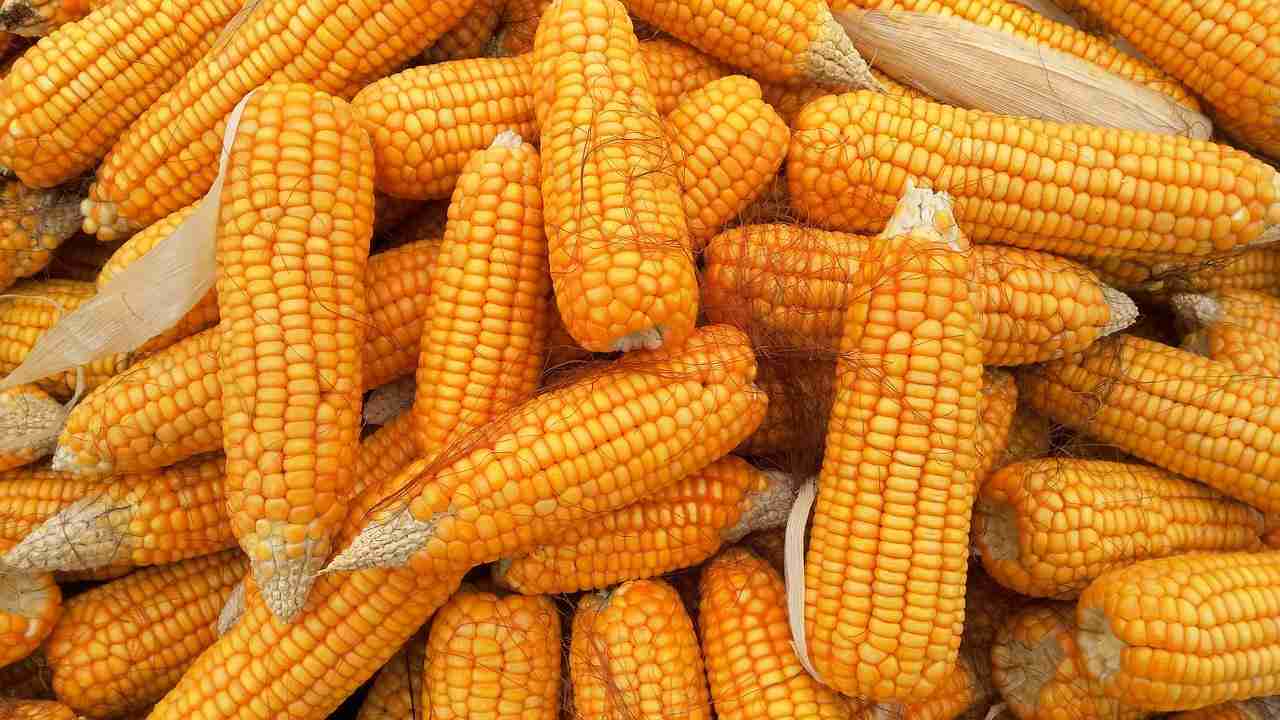
Maize, with its myriad varieties, offers a vast palette of flavors, textures, and nutritional benefits that are key to crafting exquisite dishes. When selecting maize grains, it’s essential to consider the varietal differences that cater to your culinary needs. The most notable types include:
- Sweet Corn: Perfect for grilling and salads, offering a crisp, juicy bite.
- Flint Corn: Known for its hard kernels, this variety is commonly used for cornmeal and polenta.
- Flour Corn: The soft endosperm makes it ideal for making flour and is a staple in traditional baking.
- Popcorn: A favorite snack, its unique kernel structure allows it to pop when heated.
- dent Corn: Predominantly grown for animal feed, this variety has a high starch content.
As you venture into the art of milling maize, the choice of grain plays a pivotal role in the quality of the flour produced. The milling process transforms these diverse grains into flour suitable for various culinary applications. When considering your milling approach, think about the desired outcome. For instance, a coarse grind is ideal for polenta and cornmeal, while a finer grind is preferred for baking pastries and cakes. Below is a quick comparison of grain types and their best milling uses:
| Type of Maize | Best Use |
|---|---|
| Sweet Corn | Salads, Grilling |
| Flint Corn | Polenta, Cornmeal |
| Flour Corn | Baking, Tortillas |
| Popcorn | Snacks, Gourmet Treats |
| Dent Corn | Animal Feed, Processed Foods |
The Role of Equipment in Quality Milling: A Comprehensive Overview
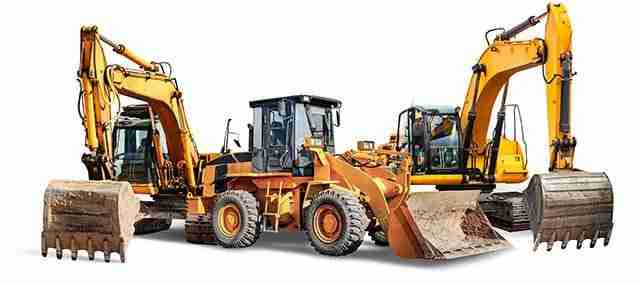
In the world of milling, the machinery used is not just a series of complex tools; it’s the lifeline that transforms humble grains into exquisite culinary staples. Quality mills are engineered to maintain the integrity of the grain while optimizing the conversion process. Key components such as sifters, rollers, and purifiers play distinct roles in ensuring that the final product meets stringent quality standards. For instance, the precision of roller mills significantly influences the flour’s texture and particle size. When these components work in harmony, the milling process not only enhances the flour’s flavor but also its nutritional profile, ensuring that the essence of the grain is celebrated in every bite.
Furthermore, the integration of modern technology in milling equipment has revolutionized the industry. Advanced features such as automated controls, data monitoring, and energy efficiency enable mill operators to achieve a level of precision previously thought unattainable. This modern approach allows for more consistent output, minimizing waste and maximizing profitability. Additionally, meticulous calibration of equipment can lead to variations in final product quality, which is crucial for meeting diverse consumer demands. The following table highlights some of the essential equipment in maize milling and their respective functions:
| Equipment | Function |
|---|---|
| Roller Mills | Grind grain into flour while controlling particle size |
| Sifters | Separate and classify flour based on particle size |
| Purifiers | Enhance flour quality by removing impurities |
| Mixers | Blend different flour types for consistency |
Culinary Applications: Transforming Maize into Gourmet Delights
The journey from humble grain to culinary masterpiece begins with the meticulous art of milling maize, unlocking a treasure trove of flavors and textures. This versatile ingredient can take on various forms, each suitable for an array of gourmet applications. From finely ground masa for tortillas to coarsely milled cornmeal for rustic cornbread, the way maize is processed significantly influences its culinary potential. Chefs worldwide have embraced maize, celebrating its adaptability by crafting dishes that highlight its unique characteristics.
Beyond traditional fare, maize serves as the backbone for innovative gourmet creations that tantalize the palate. Here are some delightful applications:
- Gourmet Tortillas: Used in upscale tacos filled with seasonal ingredients.
- Corn Grits: A creamy base for rich toppings, transforming breakfast into an indulgent affair.
- Polenta Cakes: Offered as savory stacks layered with wild mushrooms and truffle oil.
- Maize Flour Pastry: Creating delicate pastries infused with local flavors.
Employing maize in gourmet cooking not only elevates the dish but also invites culinary experimentation. A brief overview of popular maize forms can guide chefs in selecting the ideal type for their creations:
| Maize Form | Texture | Best Used In |
|---|---|---|
| Masa | Fine | Tortillas, Tamales |
| Cornmeal | Coarse | Breadcrumbs, Polenta |
| Corn Flour | Very Fine | Baking, Pastries |
| Hominy | Chewy | Soups, Grits |
With the potential for culinary creativity limited only by one’s imagination, maize continues to flourish as a gourmet ingredient, ensuring its place in contemporary cuisine.
Concluding Remarks
In the journey from field to fork, maize milling transforms humble kernels into culinary gold, bridging the gap between agriculture and gourmet cuisine. As we’ve explored the intricate processes—grinding, sifting, and refining—it’s clear that each step is steeped in tradition and innovation. From the rustic elegance of artisanal mills to the precision of modern machinery, the art of maize milling is not just about producing flour; it’s about cultivating flavors, nurturing communities, and celebrating cultural heritage.
As you embark on your own culinary adventures with maize, remember that each grain tells a story, echoing the labor of farmers, millers, and chefs alike. Whether you’re whipping up a comforting bowl of polenta or crafting delicate tamales, the journey of maize is a testament to the transformative power of food. So, the next time you savor a dish made with this versatile ingredient, take a moment to appreciate the artistry that has brought it from grain to gourmet—a celebration of both nature’s bounty and human creativity.




