
In the heart of the American landscape, a golden tapestry stretches across vast fields, whispering tales of its transformative journey. Corn, a humble grain that has become a cornerstone of agriculture, embodies a remarkable story of resilience, innovation, and versatility. From its origins as a simple seed buried in the earth to its metamorphosis into an array of goods that fill our pantries and fuel industries, the journey of corn processing is one of alchemy in the modern age. This article invites you to explore the intricate path of corn—a journey that encompasses both tradition and technology, revealing how this staple ingredient influences everything from our daily meals to the vast corridors of commerce. Join us as we delve into the multifaceted world of corn processing, uncovering the processes and people that bring this vital grain from farm to fork and beyond.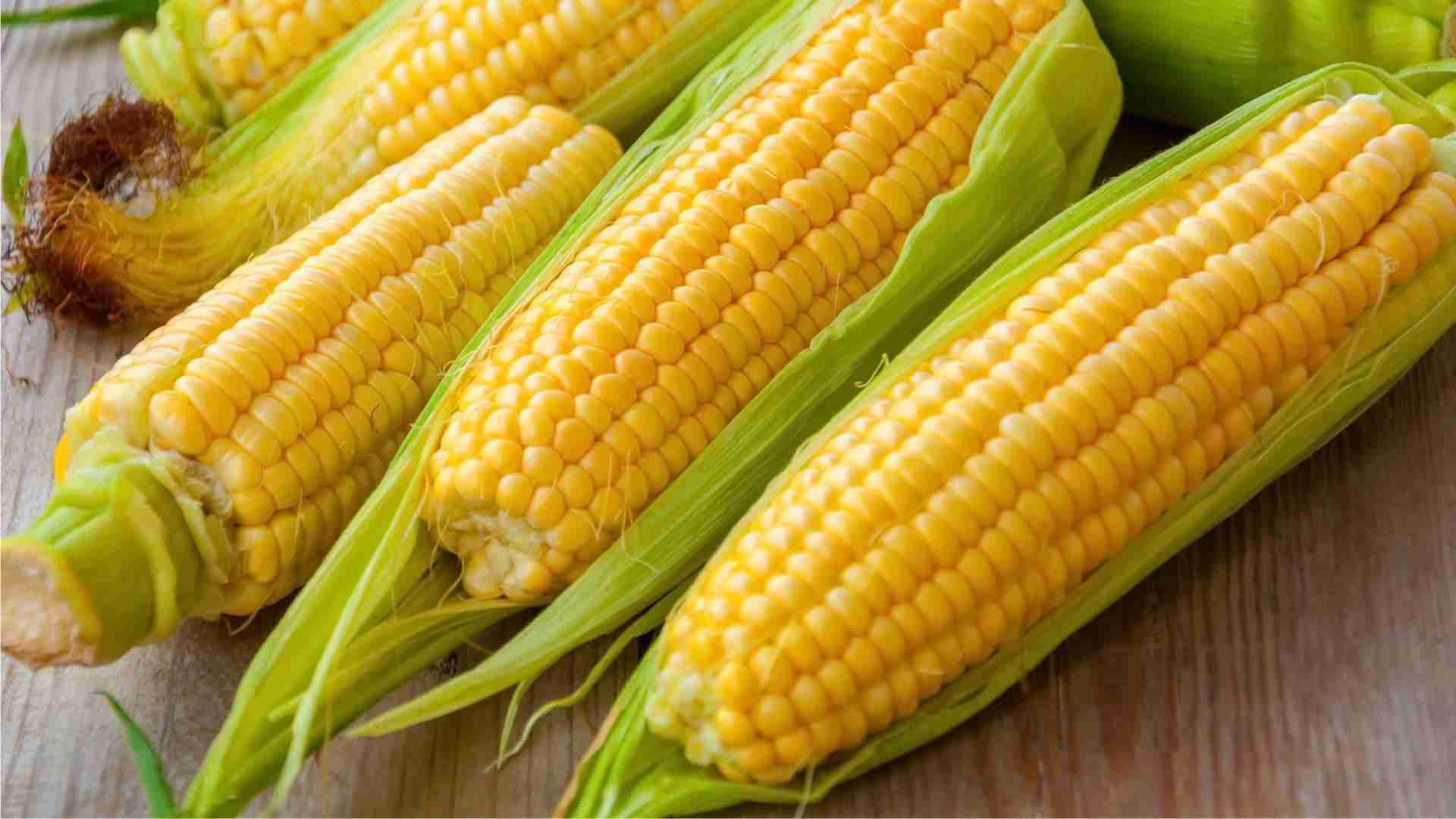
Understanding the Essential Role of Corn in Agriculture
Corn, often dubbed the “golden crop,” plays an indispensable role in the global agricultural landscape. It serves not only as a staple food source for both humans and livestock but also as a raw material for various products that are integral to everyday life. As one of the most versatile crops, corn contributes significantly to diverse sectors, including food production, biofuels, and even industrial applications. This multifunctionality is attributed to its unique characteristics, such as high yield potential and adaptability to various climates, making it a favored choice among farmers worldwide.
The journey of corn from the field to finished goods is as fascinating as it is essential. Once harvested, corn undergoes a meticulous processing phase that transforms it into an array of products, including:
- Flour and meal: Ground corn is a staple ingredient in countless recipes.
- Sweeteners: Corn syrup and high-fructose corn syrup are common sweeteners in the food industry.
- Animal feed: By-products like distillers grains serve as nutritious livestock feed.
- Biofuels: Ethanol production from corn is pivotal in renewable energy initiatives.
The processing techniques vary but generally encompass drying, grinding, and fermentation, ultimately yielding value-added products that enrich our lives. This transformative journey is supported by an extensive infrastructure of technology and machinery, ensuring efficiency and sustainability in production. With the increasing demand for corn-based products, ongoing innovations in agricultural practices and processing techniques continue to highlight corn’s enduring significance in modern agriculture.

Exploring the Transformation: From Kernels to Various Products
Corn, a staple crop with a rich history, undergoes an intricate transformation as it travels from the field to a myriad of products that shape our lives. This remarkable journey begins with the harvesting of golden kernels, which are then processed through various methods to unlock their full potential. The primary processing steps typically include drying, milling, and fermentation, each stage revealing new possibilities. The by-products of corn processing are just as noteworthy, showcasing the versatility of this humble grain.
After initial processing, kernels can be converted into several distinctive products that extend far beyond simple cornmeal. Some of the most popular creations include:
- Corn Starch: A thickening agent for sauces and gravies.
- Corn Syrup: A sweetener used in a multitude of food items.
- Ethyl Alcohol: Essential for beverages and industrial applications.
- Animal Feed: Utilizing leftover materials to support livestock nutrition.
| Corn Product | Primary Use |
|---|---|
| Corn Flour | Baking and cooking |
| Cornmeal | Making polenta and cornbread |
| Corn Oil | Cooking and frying |
The transformation of corn doesn’t stop there; it plays a crucial role in diverse industries, showcasing its economic importance. Beyond food products, corn derivatives find their way into biodegradable plastics, adhesives, and even cosmetics, emphasizing the grain’s unparalleled adaptability. As innovations in corn processing continue to emerge, this splendid crop remains a cornerstone of both culinary and industrial revolutions, proving that the journey from grain to goods is as intricate as it is essential.

Innovative Techniques in Corn Processing for Sustainable Solutions
Corn processing has evolved remarkably, embracing innovative techniques that merge technology with sustainability. These advancements not only enhance the efficiency of the production process but also reduce the environmental footprint associated with traditional methods. To achieve these goals, various approaches have been explored, including:
- Fermentation technologies: Harnessing microbial processes to convert starch into bio-based chemicals and fuels.
- Enzymatic treatments: Utilizing natural enzymes to break down complex carbohydrates, making them easier to process and more efficient for product extraction.
- Circular economy practices: Finding ways to repurpose byproducts from corn processing, such as using corn husks and stalks for bioenergy or animal feed.
Additionally, advances in smart farming techniques have reshaped how corn is cultivated and processed, ensuring that every step of the journey is monitored for both quality and sustainability. For instance, data analytics and precision agriculture help farmers optimize crop yields while minimizing input waste. Here’s a brief overview of some key benefits derived from innovative corn processing techniques:
| Technique | Benefit |
|---|---|
| Fermentation | Produces sustainable biofuels, reducing greenhouse gas emissions. |
| Enzymatic Treatment | Increases efficiency, lowers energy consumption during processing. |
| Circular Practices | Reduces waste and creates new value-added products. |

Maximizing Value: Strategies for Efficient Corn Utilization in Industry
Efficient corn utilization in industry begins with optimizing the supply chain processes. By enhancing logistics and storage capacity, businesses can reduce waste and ensure the quality of corn products is maintained from farm to factory. Key strategies include:
- Incorporating Advanced Technologies: Utilizing smart sensors and IoT devices for monitoring corn quality and storage conditions can help prevent spoilage and maximize yield.
- Implementing Sustainable Practices: Enhancing crop rotation and utilizing cover crops can increase soil health, which in turn boosts corn production.
- Collaborating with Local Farmers: Building partnerships with local growers ensures a fresher supply of corn while supporting the community and reducing transportation costs.
Moreover, transforming corn into a diverse range of products can significantly increase overall value. By tapping into the versatility of corn, industries can explore its potential beyond food production. Here are some innovative uses:
| Product | Application |
|---|---|
| Corn Starch | Thickening agent for food, bioplastics, and adhesives |
| Ethanol | Renewable fuel alternative for vehicles |
| Dextrose | Sweetener in beverages and baked goods |
| Animal Feed | Nutritional supplement for livestock |
By recognizing the multifaceted role of corn in various industries, companies can drive innovation and create new markets, effectively maximizing the value derived from this essential crop.
To Conclude
As we draw the curtain on our exploration of corn’s remarkable journey from humble grain to versatile goods, we find ourselves at the crossroads of tradition and innovation. This vibrant crop, woven into the fabric of cultures and economies around the globe, represents more than just sustenance; it embodies the stories of farmers, scientists, and artisans who contribute to its transformation.
From the golden fields that stretch under the sun to the state-of-the-art processing plants where meticulous methods breathe new life into kernels, the corn processing industry reflects a profound understanding of nature’s bounty. It harnesses the potential of a single crop, converting it into an array of products that serve our daily needs and wants—ranging from sweeteners and bioplastics to animal feed and fuel.
As we peel back the layers of this complex journey, we invite you to appreciate not only the end products that grace our tables and lives but also the intricate processes and human ingenuity that make it all possible. In understanding how corn traverses this transformative path, we gain insight into the delicate balance of sustainability, technology, and tradition that defines our modern world. So the next time you encounter a dish sweetened with corn syrup or a biodegradable product derived from its starch, remember the remarkable journey that made it possible—a journey rich in history, innovation, and the relentless pursuit of improvement.




