
In a world where the journey from farm to table is increasingly celebrated, one vital transformation often occurs behind the scenes: the metamorphosis of grain into flour. This seemingly simple process is a harmonious blend of tradition and innovation, art and science. “From Grain to Flour: Unveiling the Art of Cereal Milling” invites readers to explore the intricate world of milling, where raw grains undergo a transformative journey, unlocking the potential for countless culinary creations. As we delve into the techniques, technologies, and stories that define this age-old craft, we uncover not just a method of production, but a rich tapestry woven with history, culture, and the promise of nourishment. Join us as we celebrate the subtle artistry of milling and its significance in our everyday lives, bridging generations and elevating the humble grain to its rightful place in the spotlight.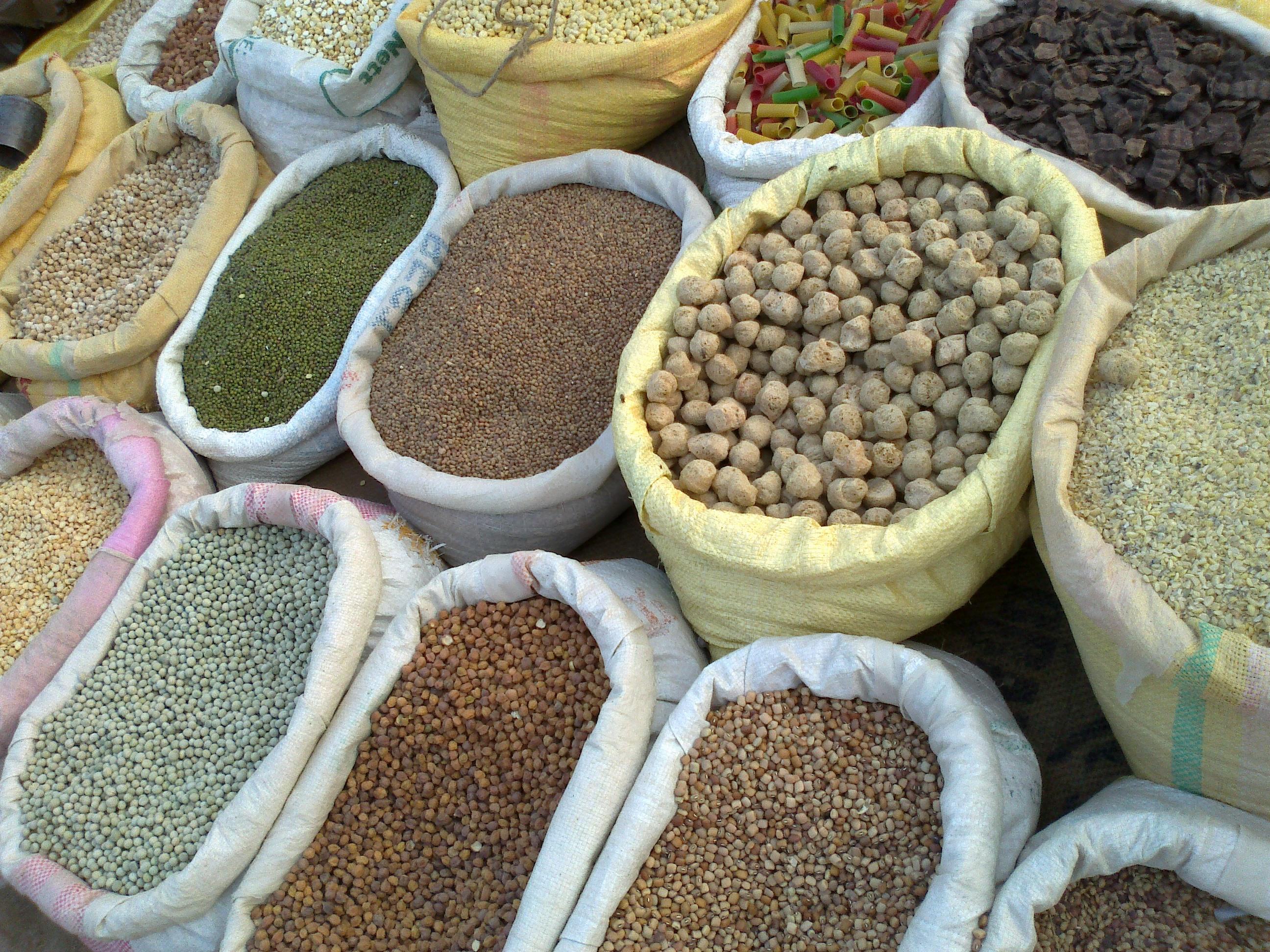
Understanding the Grain: The Foundations of Quality Milling
Every grain tells a story, and understanding that story is essential for producing high-quality flour. The journey from field to mill begins with the careful selection of raw materials. Quality milling starts with the type of cereal used; factors such as moisture content, kernel hardness, and protein levels play a pivotal role. The best milling practices focus on identifying suitable grain characteristics, including:
- Kernel Size: Affects the milling process and the final product’s texture.
- Grain Hardness: Determines how easily the grain can be milled and the type of flour produced.
- Protein Content: Influences the dough’s strength and elasticity.
Beyond selection, the milling techniques significantly impact the flour quality. Millers utilize various methods to achieve the desired consistency and characteristics, with traditional stone-grinding and modern roller milling being among the most notable. The ideal milling process involves a balance of extraction rate and end product performance. Key to achieving this is understanding the milling flow, which typically includes:
| Milling Stage | Description |
|---|---|
| Clean | Removing impurities and foreign materials. |
| Condition | Adjusting moisture content for optimal milling. |
| Break | Initial crushing to separate endosperm from bran. |
| Sieve | Separating finer flour from coarser particles. |
Each stage is intricately designed to preserve the nutritional value and flavor of the grain while ensuring the final product meets industry standards. This attention to detail not only enhances the milling process but ultimately contributes to creating flour that is versatile and of superior quality, ready for the many culinary applications that await.
The Milling Process: Techniques and Technologies Uncovered
The journey from grain to flour is a blend of tradition and technology, encapsulating the essence of the milling process. At its core, milling involves breaking down whole grains into finer particles, transforming them into the flour we utilize for baking and cooking. This transformation employs a variety of techniques, each aimed at optimizing the quality and functionality of the flour. Key methods include:
- Stone Milling: A traditional method that uses large stones to grind grain, resulting in flour rich in flavor and nutrients.
- Roller Milling: A more modern and widely used technique that utilizes steel rollers to refine grain, allowing for a consistent particle size.
- Impact Milling: A high-speed method that crushes grain using rapid collisions, producing fine flour quickly.
Technological advancements have revolutionized the milling process, with innovations enhancing efficiency and product quality. Modern milling facilities are equipped with state-of-the-art machinery that includes:
| Equipment | Function |
|---|---|
| Grain Cleaners | Remove impurities and improve grain quality for milling. |
| Tempering Silos | Add moisture to prepare grain for milling, enhancing yield and efficiency. |
| Flour Sifters | Ensure uniform particle size by separating flour from larger particles. |
These advancements harmonize with traditional methods to produce flour that caters to diverse culinary needs—from fine pastry flour to hearty whole grain varieties. Understanding the intricacies of these techniques allows us to appreciate the art of cereal milling in all its complexity.

Exploring Flour Types: Choosing the Right Grind for Your Needs
The world of flour is as vast as the grains from which it originates, each type offering unique characteristics suited for different culinary applications. Understanding flour types is essential for achieving the perfect texture and flavor in your homemade creations. Common flour varieties include all-purpose flour, whole wheat flour, cake flour, and bread flour, each ground to a specific fineness. For instance, all-purpose flour strikes a balance between elasticity and tenderness, making it a versatile choice for everything from cookies to pancakes, while cake flour provides a delicate crumb due to its fine grind and lower protein content, perfect for light baked goods.
When selecting flour, consider not only the intended end product but also the specific grind that will best meet your needs. The grind of flour can dramatically affect hydration levels, gluten formation, and, ultimately, the success of your recipe. Below is a brief overview of various flour types and their ideal uses:
| Flour Type | Grind | Best For |
|---|---|---|
| All-Purpose | Medium | General baking, pancakes, and muffins |
| Whole Wheat | Coarse to Medium | Breads and hearty baked goods |
| Cake Flour | Fine | Cakes and delicate pastries |
| Bread Flour | Coarse | Yeast breads and pizza dough |
Ultimately, your choice of flour and its grind should align with your baking goals. Experimenting with various flours can be a delightful journey, enhancing not only your recipes but also your understanding of the art of cereal milling. As you embark on this culinary exploration, consider the fascinating interplay between grain characteristics and the resulting flour grind—each selection can elevate your dishes to new heights.

Sustainable Practices in Milling: Innovations for the Future
In the quest for sustainability within the milling industry, innovative technologies and practices are paving the way for more environmentally friendly operations. By incorporating energy-efficient machinery and investing in renewable energy sources, mills are drastically reducing their carbon footprint. Moreover, advancements in water-saving techniques and waste minimization are becoming essential components of modern milling. Some key practices include:
- Utilizing renewable energy such as solar or wind power to run milling operations
- Implementing zero-waste policies to ensure that by-products are reused or repurposed
- Adopting advanced grain-cleaning technologies that minimize losses and improve efficiency
- Investing in biodegradable packaging to reduce plastic waste
The integration of these sustainable innovations not only preserves resources but also enhances the overall quality of flour produced. Mills are increasingly focusing on producing flour that meets clean-label standards, appealing to health-conscious consumers. This is complemented by the shift towards local sourcing of grains, which reduces transportation emissions and supports local economies. To highlight the impact of these practices, consider the following table:
| Innovation | Benefit |
|---|---|
| Energy-efficient milling | Reduces energy consumption |
| Water recycling systems | Saves water resources |
| Repurposing by-products | Minimizes waste |
| Locally sourced grains | Supports regional agriculture |
Key Takeaways
As we conclude our exploration of the intricate journey from grain to flour, it becomes clear that cereal milling is not merely a process; it is an age-old craft that harmoniously blends tradition with technology. Each kernel, with its rich history and potential, transforms in the hands of skilled millers, revealing the versatility and importance of flour in our daily lives. This metamorphosis not only nourishes our bodies but also connects us to the heritage of those who have perfected this art over centuries. As you next bake bread or whip up a cake, take a moment to appreciate the unseen journey of the grains that brought it to life. In celebrating the meticulous work of milling, we honor an essential step in culinary creation—one that continues to evolve while steadfastly anchoring us to our roots.




