In the intricate dance between nature and nourishment,few transformations are as profound as that of grain to flour. What begins as a simple seed, nestled in the earth, embarks on a remarkable journey, passing through the skilled hands of millers who unlock its full potential. “From Grain to Flour: The Art of Cereal Milling Explained” invites you to explore this captivating process, where science meets tradition, and ancient practices blend seamlessly with modern technology. Delve into the meticulous methods, the equipment that makes it all possible, and the artful expertise required to produce the versatile flour that underpins our daily meals. Join us as we uncover the rich tapestry of cereal milling,a journey steeped in heritage and innovation,revealing how this age-old craft continues to shape our culinary landscapes today.
The Journey of Grain: Understanding the Basics of Cereal Milling
The journey from grain to flour is a meticulous process that combines age-old traditions with modern technology. At the heart of this process lies cereal milling, where grains such as wheat, corn, and barley are transformed into flour, a basic ingredient in many culinary creations. Understanding this transformation involves exploring several key stages:
- Selection: The milling process begins with the careful selection of high-quality grains, ensuring optimal flavor and nutritional value.
- Cleaning: Once selected, the grains undergo rigorous cleaning to remove impurities such as dust, stones, and other unwanted materials.
- Conditioning: This step involves adjusting the moisture content of the grains, which is crucial for achieving the desired flour texture and quality.
With the grains prepped, the actual milling takes center stage. In this phase, the grains are subjected to various breaking and grinding processes, including:
| Stage | Description |
|---|---|
| Breaking | The grains are cracked into smaller pieces using rollers, which facilitates the separation of the endosperm from the bran. |
| Sieving | After breaking,the mixture is passed through a series of sieves to separate flour from coarser particles. |
| Regrinding | the coarser material is sent back for further grinding to achieve a finer flour consistency. |
This fascinating interplay of traditional methods and innovative techniques not onyl produces flour but also contributes considerably to the food industry,impacting everything from bread-making to gourmet pastry readiness.In understanding these principles, one can truly appreciate the art and science that is cereal milling.
Transforming Texture: The Science Behind Different Flour Types
Each type of flour brings with it unique characteristics that significantly influence the texture and structure of baked goods. The protein content found in different flours plays a crucial role in gluten formation and thus affects the chewiness and elasticity of the final product. For instance,bread flour,which has a higher protein content,is perfect for creating that desired chewy texture in artisan loaves.In contrast,cake flour,with its low protein level,yields a softer,tender crumb suitable for cakes and pastries. Understanding these distinctions allows bakers to select the appropriate flour, tailoring their creations to achieve the specific textures they desire.
The milling process itself—where grains are ground into flour—further influences flour quality and texture. Different milling techniques, such as stone milling or roller milling, can create varying flour textures, from coarse to fine. Each technique impacts the bran, germ, and endosperm ratios in the final product. this variability can be summed up in the following matrix:
| Flour Type | Protein Content (%) | Typical Use |
|---|---|---|
| All-Purpose Flour | 10-12 | Versatile baking |
| Bread Flour | 12-14 | Yeasted bread |
| Cake Flour | 7-9 | Cakes and pastries |
| Whole Wheat Flour | 13-15 | Healthier bread options |
Milling Methods Unveiled: Traditional vs. Modern Techniques
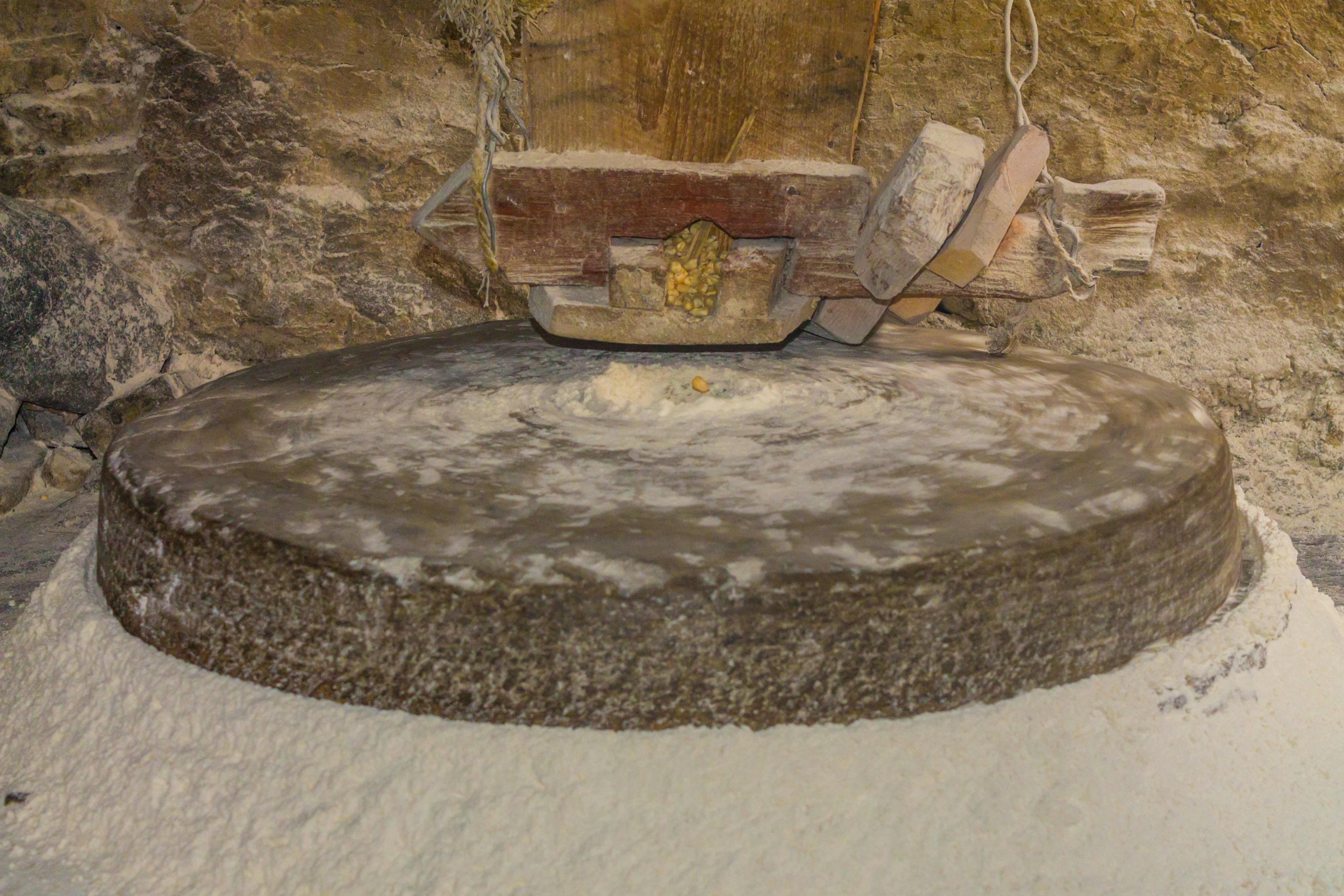
When it comes to cereal milling, the journey from grain to flour has evolved significantly over the centuries. Traditional techniques, often passed down through generations, rely on simple yet effective methods such as stone grinding and hand milling.These methods, characterized by their labor-intensive processes, prioritize the preservation of the grain’s natural nutrients and flavor. The key features of traditional milling include:
- Stone Mills: Using grinding stones to produce flour with minimal heat, preserving the grain’s quality.
- Hand Cranking: Requiring skilled artisans who understand the nuances of grain types and consistency.
- batch Processing: Producing small, specialized amounts of flour, often tailored for unique recipes.
In stark contrast, modern milling techniques leverage technology to enhance efficiency and scalability. Advanced machinery, including roller mills and high-capacity industrial equipment, dominate the landscape. These approaches introduce precision and speed, significantly increasing flour production while maintaining consistency and safety. Some of the prominent features of modern milling are:
- Roller Mills: Separating the endosperm from the bran and germ through crushing and sifting, resulting in finer flour.
- Automation: Reducing labor costs and enhancing production speed with minimal human intervention.
- Larger Scale Operations: Meeting global demand with the ability to process high volumes of grain rapidly.
| Aspect | Traditional Techniques | Modern Techniques |
|---|---|---|
| Processing Method | Stone Grinding | Roller Milling |
| production Scale | Small Batch | High Volume |
| Energy Consumption | Higher | Lower (Efficiency Focus) |
| Quality of Flour | Natural Nutrients Preserved | Consistent Texture |
Tips for Home Bakers: Selecting and Using Flour for optimal Results
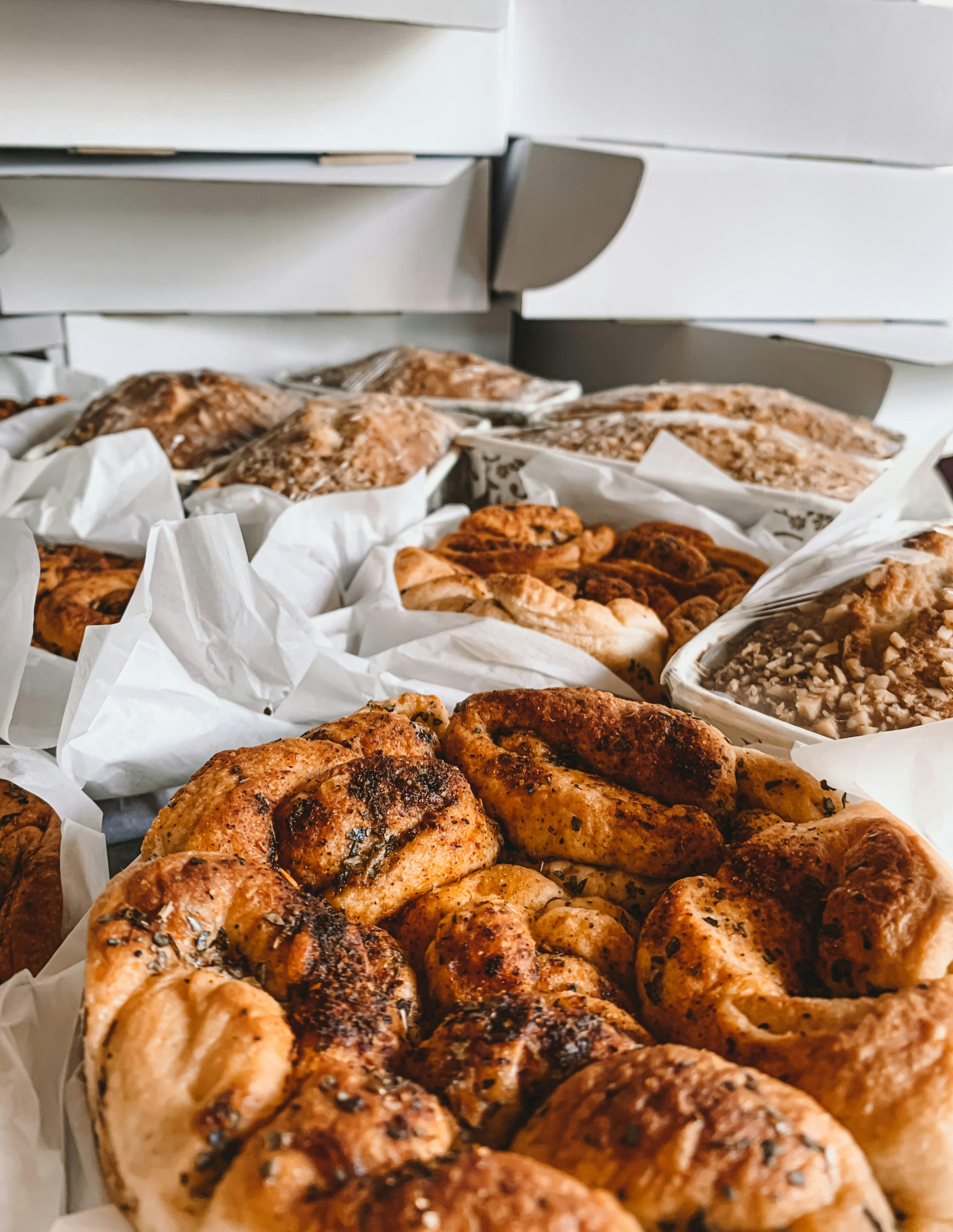
When it comes to home baking, the choice of flour can profoundly impact your culinary creation. All-purpose flour is the jack-of-all-trades, perfect for a variety of recipes, from cookies to pancakes. If your goal is to create light and airy pastries,however,you might want to look into cake flour,which has a lower protein content that contributes to a tender crumb. For hearty breads and pizzas, reach for bread flour, which is higher in protein and aids in creating a lovely chewy texture. Additionally, don’t overlook the versatility of whole wheat flour; it adds a nutty flavor and offers a nutritional punch, though you may need to adjust your liquid amounts when substituting it for all-purpose flour.
Using flour effectively requires understanding its properties and how to handle it properly. Always sift your flour if the recipe calls for it; this adds air and removes lumps, ensuring an even texture. Measuring flour correctly is crucial; consider using a kitchen scale for precision, as too much flour can lead to dry and crumbly results. It’s also beneficial to store flour in a cool, dark place, ideally in an airtight container, to maintain its freshness. If experimenting with different types of flour, remember that the hydration levels can vary, which may require you to adjust the liquid ingredients in your recipes. the right flour, treated with care, is a baker’s best ally on the journey to creating culinary delights.
In Summary
As we conclude our exploration of the intricate journey from grain to flour, it becomes evident that cereal milling is more than just a simple industrial process; it is a delicate art form that has evolved over centuries. Each kernel of grain is a testament to nature’s bounty, transformed through the meticulous techniques of milling into the foundational ingredient that fuels our kitchens and nourishes our bodies.Understanding the nuances of this craft invites us to appreciate the work that goes into every bag of flour we purchase and every loaf of bread we bake. Whether you are a professional baker or a home cook experimenting with recipes, recognizing the importance of quality milling can elevate your culinary creations to new heights.
As we embrace the future of food production, may we hold in mind the time-honored traditions and innovations that continue to shape the industry. The next time you sift flour or knead dough, remember the journey it underwent—from the fertile fields to the shining silos—each step rich with history and skill. In this way, we become not only consumers but also custodians of a craft that connects us to each grain’s story.