
In the early morning hours, as the world stirs to life, millions of households across the globe partake in a ritual as commonplace as it is comforting: the breakfast bowl of cereal. From the faint rustle of a box being opened to the satisfying cascade of crunchy flakes, cereal serves as a canvas upon which we paint our morning routines. But have you ever paused to consider the journey of this humble grain, transformed from field to flake? The art of cereal processing is a fascinating blend of agriculture and innovation, weaving together tradition and technology to create the breakfast staples many know and love. In this article, we’ll explore the intricate steps involved in cereal processing, revealing the science behind your favorite morning crunch and celebrating the craftsmanship that turns raw grains into a convenient, delicious meal. Join us as we navigate the path from farm fields to cereal aisles, uncovering the unsung heroes who make it all possible.
The Journey of Grains: Understanding the Harvesting Process
The journey of grains begins far before they see the inside of a cozy kitchen—a process intimately tied to nature, timing, and care. The harvesting of grains is a meticulous task that unfolds in several stages, orchestrated to ensure that every seed reaches its full potential. Farmers pay close attention to the right moment for harvest, determined by the moisture content and ripeness of the crop. Once the indicator grains are ready, cutting machines scythe through vast fields, collecting the golden bounty. Post-harvest, the grains undergo a series of steps to prepare them for the journey ahead, including drying, cleaning, and sorting.
Once harvested, grains like wheat, oats, and corn enter a processing phase that transforms them into breakfast staples. A sophisticated array of machinery works tirelessly to refine these grains through milling, grinding, and toasting, creating the familiar textures we find in our cereal bowls. As grains make their metamorphic journey, they are categorized based on quality and type, ensuring only the best grains make it to the final packaging. The processing steps typically involve:
- Tempering: conditioning grains for milling
- Milling: crushing to achieve desired consistency
- Fortification: enhancing nutritional value
- Packaging: sealing in freshness
| Stage | Description |
|---|---|
| Harvesting | Collecting grains at their peak ripeness |
| Processing | Transforming grains into ready-to-eat forms |
| Packaging | Sealing grains to maintain flavor and freshness |

Nurturing Nutrition: The Science Behind Cereal Fortification
Within the world of breakfast cereals, fortification plays a crucial role in transforming basic grains into powerful nutritional allies. The process is not merely an afterthought; it is a meticulous science that harmonizes various vitamins and minerals into each serving. Through techniques like dusting and extrusion, manufacturers can incorporate essential nutrients, ensuring that even a simple bowl of cereal can contribute significantly to daily dietary requirements. The most commonly fortified nutrients include:
- Iron: Vital for transporting oxygen in the blood, helping to prevent anemia.
- B Vitamins: Essential for energy metabolism and the proper function of the nervous system.
- Vitamin D: Crucial for bone health, supporting the absorption of calcium.
Many cereal brands also strive for transparency in their fortification processes, often illustrating the blend of science and culinary artistry on their packaging. An example of the nutritional impact can be visualized through a simple comparison of fortified versus non-fortified cereals. This highlights the substantial benefits of consuming fortified options, showcasing how a thoughtful approach to food processing can make a significant difference in public health. Below is a brief comparison:
| Cereal Type | Fortified Nutrients | Health Benefits |
|---|---|---|
| Non-Fortified | None | Basic energy source; minimal vitamins |
| Fortified | Iron, B Vitamins, Vitamin D | Enhanced energy, improved immunity, better bone health |

Crafting Crunch: Techniques in Cereal Production and Flavoring
Mastering the art of cereal production requires a meticulous approach to both the processing of grains and the layering of flavors. The journey begins with selecting high-quality grains, which are then subjected to various treatments to enhance their properties. The key techniques include toasting, extrusion, and flaking. Toasting allows for a deeper flavor profile by caramelizing natural sugars, while extrusion involves pushing grain dough through machines to create light and airy textures. Flaking, often used for oats, not only modifies the grain’s structure for optimum crunch but also locks in essential nutrients, ensuring a balanced breakfast option.
Flavoring cereal is an intricate dance of artistry and science that elevates the basic grain to a delightful sensory experience. The process incorporates a diverse array of ingredients, such as natural sweeteners, spices, and fragrant extracts. The most cherished flavors stem from a thoughtful combination of fruits and nuts, chosen not only for their taste but also for the textures they bring. Here’s how these flavor components come together:
| Flavor Component | Description |
|---|---|
| Honey | Natural sweetness with floral undertones. |
| Cinnamon | Warm, spicy notes enhance sweetness. |
| Almonds | Crunchy texture with a nutty flavor. |
| Dried Berries | A tart burst of flavor that complements sweetness. |
Bringing it all together requires an understanding of how flavors interact, as well as a keen sense of consumer preference. Every batch of cereal undergoes rigorous tasting sessions, ensuring that each spoonful is not just balanced, but also exciting. The final step involves packaging techniques that maintain freshness while showcasing the visual appeal of the product, with graphics that entice the eye and the promise of a wholesome meal to start the day.
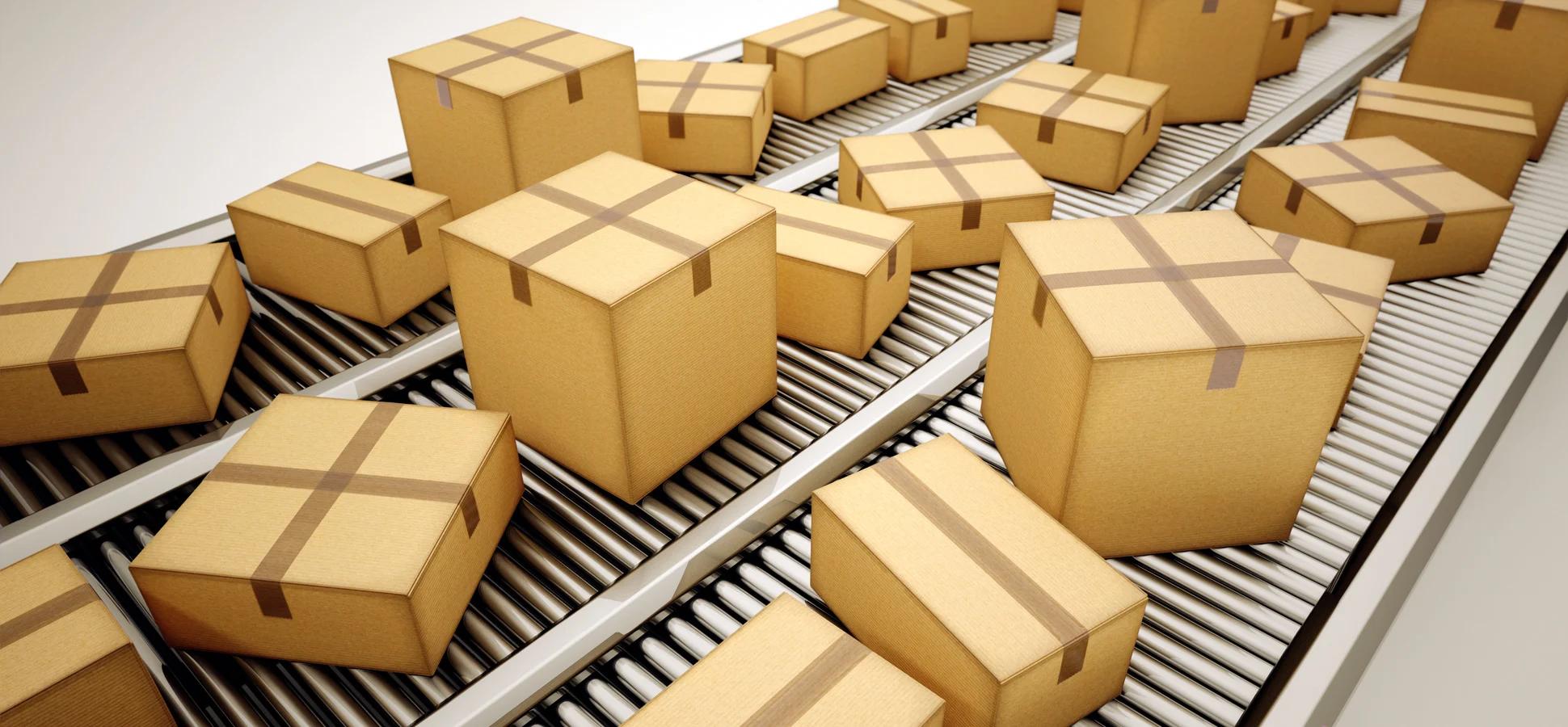
Packaging for Freshness: Innovations in Cereal Preservation
As the journey from grain to breakfast unfolds, maintaining the crispness and flavor of cereal is a critical feat. Recent innovations in packaging have become essential to preventing staleness and preserving the quality of ingredients. Manufacturers are now exploring a variety of materials and technologies designed to enhance shelf life, ensuring that every bowl is a delectable experience. Key advancements include:
- Modified Atmosphere Packaging: This technique replaces oxygen within the packaging with nitrogen, significantly slowing down the oxidation process.
- Moisture Barrier Films: New film technologies act as shields against humidity, ensuring that the cereals remain crunchy and fresh for extended periods.
- Resealable Pouches: Adding convenience, resealable options empower consumers to keep their cereal fresh after opening.
Furthermore, sustainability has taken center stage in packaging development. Eco-friendly materials not only safeguard freshness but also appeal to environmentally conscious consumers. Many brands are now turning to biodegradable and recyclable options, ensuring that the push for preservation aligns with greater responsibility to the planet. Here’s a quick look into the types of sustainable materials being utilized:
| Material | Benefits |
|---|---|
| Plant-Based Plastics | Compostable and renewable source |
| Recycled Paper | Reduces landfill waste and carbon footprint |
| Biodegradable Films | Break down easily without harming ecosystems |
The Way Forward
As the sun rises each morning, millions of people around the world rely on a humble bowl of cereal to kickstart their day. It’s easy to overlook the intricate journey from grain to breakfast, where nature’s raw bounty undergoes transformation through the art of processing. Each flake, puff, and cluster carries with it a story of cultivation, innovation, and a touch of culinary magic.
Understanding the meticulous steps that go into crafting our morning staples not only deepens our appreciation for these everyday foods but also invites us to consider the broader implications of food production, sustainability, and nutrition. The humble grain, once a mere seed in the soil, becomes an essential part of our daily routines—fueling our bodies and nourishing our minds.
As we close this exploration of cereal processing, let us continue to savor each bite, mindful of the labor and creativity involved in delivering such simplicity to our tables. After all, the next time you pour your morning cereal, remember that beyond those crisp flakes lies a world of dedication, skill, and passion—all crafted to bring joy to every breakfast. So, here’s to the art of cereal processing—an invisible yet vital thread woven into the fabric of our culinary lives!




