
From Grain to Bowl: The Art of Cereal Processing Explained
In a world where breakfast often takes on the form of hurried bites and last-minute decisions, the journey of cereal from field to table remains a fascinating tale. Imagine the humble grains, nurtured by the sun and rain, transforming into the delightful crunch that fills your morning bowl. Behind every spoonful lies a complex and intricate process that weaves together tradition, innovation, and a touch of science. In this article, we invite you to delve deeper into the art of cereal processing, unraveling the meticulous steps that turn simple grains into a beloved staple of our diets. Join us as we explore the nuances of cultivation, harvesting, milling, and packaging—each phase a testament to the craftsmanship that brings a cherished childhood memory to life with every satisfying crunch.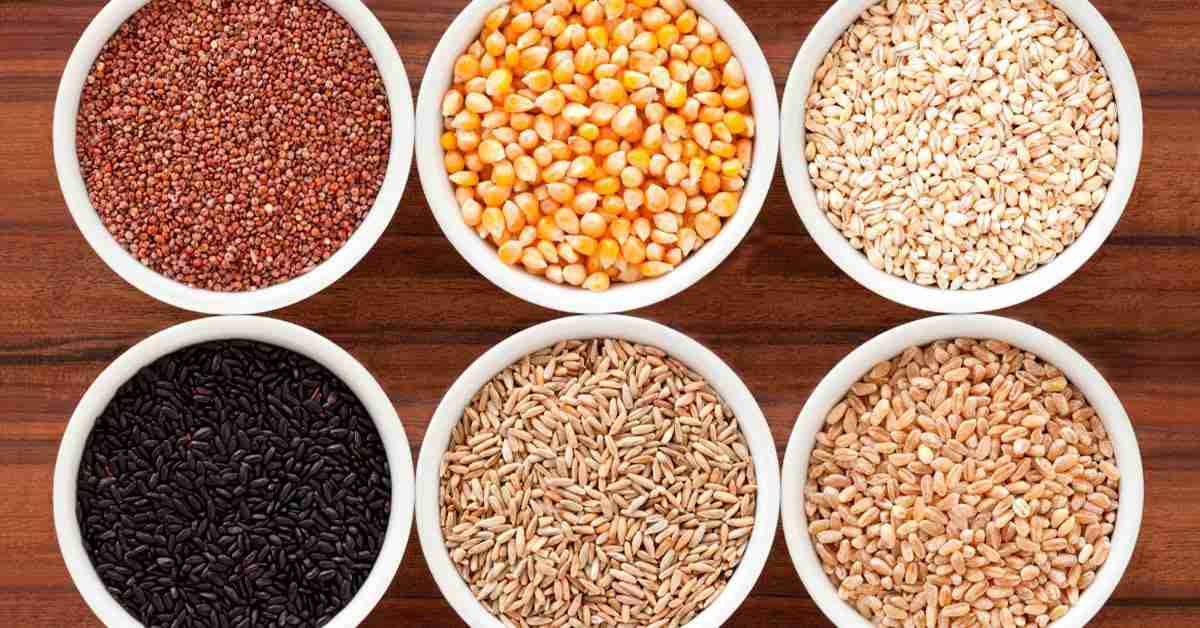
Understanding the Journey of Grains from Harvest to Breakfast
The journey of grains from the fields to your breakfast table is a fascinating process, weaving together nature’s bounty with human ingenuity. After being harvested, grains such as wheat, oats, and corn embark on a transformative journey that begins with cleaning and sorting. This essential first step ensures that any debris, dirt, or unwanted impurities are removed, giving rise to a pure grain ready for processing. Following that, grains may undergo drying to optimize moisture levels and preserve quality. Once prepared, they are milled and processed, transforming whole grains into the familiar textures and shapes of cereal products. A range of techniques from roasting to puffing help bring out flavors and maintain the nutritional integrity of these grains.
As grains are milled, they are broken down into components such as bran, germ, and endosperm. The bran provides fiber, while the germ offers essential nutrients like vitamins and minerals, and the endosperm is primarily starch, giving cereals their signature crunch. Through various processing methods, manufacturers can produce several different types of cereals that cater to diverse palates and dietary needs. Some common methods include:
- Flaking: Flattening the grain to create bite-sized pieces.
- Puffing: Expanding the grain using heat and pressure.
- Toasting: Enhancing flavors through controlled roasting.
Meet the two vital steps involved in creating the breakfast cereals we enjoy today:
| Step | Description |
|---|---|
| Processing | Grinding grains into needed forms, like flour or flakes. |
| Packing | Sealing them into boxes or bags for distribution. |

Decoding the Processing Techniques Behind Your Favorite Cereals
The journey of your beloved cereals begins with the careful selection and preparation of grains such as wheat, corn, rice, or oats. Processing starts in the milling stage, where whole grains are cleaned and ground, separating the bran, endosperm, and germ. This step is crucial as it influences the texture and nutritional profile of the final product. The transformed grains can then undergo various processing techniques, including:
- Toasting: Enhances flavor and aroma.
- Flaking: Creates crispy textures perfect for breakfast bowls.
- Puffing: Expands grains through high heat and pressure, resulting in light, airy shapes.
- Coating: Adds sweetness or extra crunch via sugar or other texture-enhancing agents.
Following these initial transformations, cereals often go through a stage known as extrusion. This innovative technique combines high heat, moisture, and pressure to create shapes and formats ranging from crispy flakes to fun shapes. Extrusion not only impacts the size and texture but also allows for fortification with vitamins and minerals, enhancing the overall nutritional value. The final products are then packaged, ready to be shipped to grocery stores. Here’s a simplified overview of these stages:
| Processing Stage | Purpose |
|---|---|
| Milling | Separates bran, germ, and endosperm |
| Toasting | Adds flavor |
| Flaking | Creates a crispy texture |
| Extrusion | Shapes and fortifies cereals |
Nutritional Insights: What Happens to Grains During Processing
As grains undergo processing, a fascinating transformation takes place, influencing their nutritional profile and overall health benefits. Initially
Choosing Wisely: Tips for Selecting the Best Cereal for Your Bowl
When it comes to selecting the perfect cereal for your morning routine, a well-informed choice can elevate your breakfast experience. Look out for whole grains as the first ingredient; they not only provide essential nutrients but also ensure a satisfying texture. Additionally, keep an eye on the sugar content. Opt for cereals with less than 10 grams of sugar per serving to prevent a midday slump. Don’t forget about fiber; aim for at least 3 grams per serving to keep you feeling full longer and support digestive health.
It’s crucial to consider the added ingredients as well. Some cereals boast a health halo due to fruits, nuts, or seeds, which can enhance flavor and nutrition. However, always read the labels to ensure these additions aren’t accompanied by excessive sugar or unhealthy fats. To guide your decision, here’s a quick comparison of three cereal types:
| Cereal Type | Whole Grains | Sugar Content | Fiber Content |
|---|---|---|---|
| Granola | High | Varies (often higher) | Moderate |
| Oatmeal | Very High | Low | High |
| Flaked Cereals | Moderate | Can Be High | Low |
By balancing health and taste, you can enjoy a bowl that not only kicks off your day with energy and nutrition but also pleases your palate. Always choose brands that align with your dietary needs and preferences, and don’t hesitate to experiment until you find the cereal that feels just right for you!
The Way Forward
As we reach the final spoonful of our exploration into the intricate journey of cereal processing, it becomes clear that this seemingly simple breakfast staple is steeped in a rich tapestry of tradition, innovation, and artistry. Each grain tells a story of cultivation, harvest, and transformation, as it moves from farm fields to the breakfast table. The processes may be complex, but they are a testament to human ingenuity, marrying nature’s bounty with technology to create the perfect bowl of cereal.
Whether you enjoy a crunchy flake, heart-healthy oat, or puffed rice, understanding the nuances of cereal processing enhances your appreciation for what’s in your bowl. So, the next time you pour that familiar morning mixture, take a moment to reflect on the journey it undertook to get there. Behind each bite lies the dedication of farmers, scientists, and artisans who aim to deliver not just a meal, but a delightful experience. In this ever-evolving landscape of food production, the art of cereal processing invites us to savor not just the flavors, but the stories woven into every bite.




