
In the heart of countless farms across the globe, a humble crop sways gently in the breeze—corn. This vibrant golden grain, once celebrated as a staple of sustenance, has undergone a remarkable transformation in recent years, evolving far beyond its traditional role. “From Field to Future: The Art of Corn Processing Unveiled” invites you to explore the intricate journey of corn, tracing its path from the fertile fields to innovative applications that shape our everyday lives. As we peel back the layers of this fascinating process, we will uncover the artistry involved in processing corn, revealing how science and creativity converge to unlock its full potential. Join us on this enlightening exploration, where we will delve into sustainability, technology, and the culinary delights stemming from this versatile crop, all while peering into the future of corn and its impact on our world.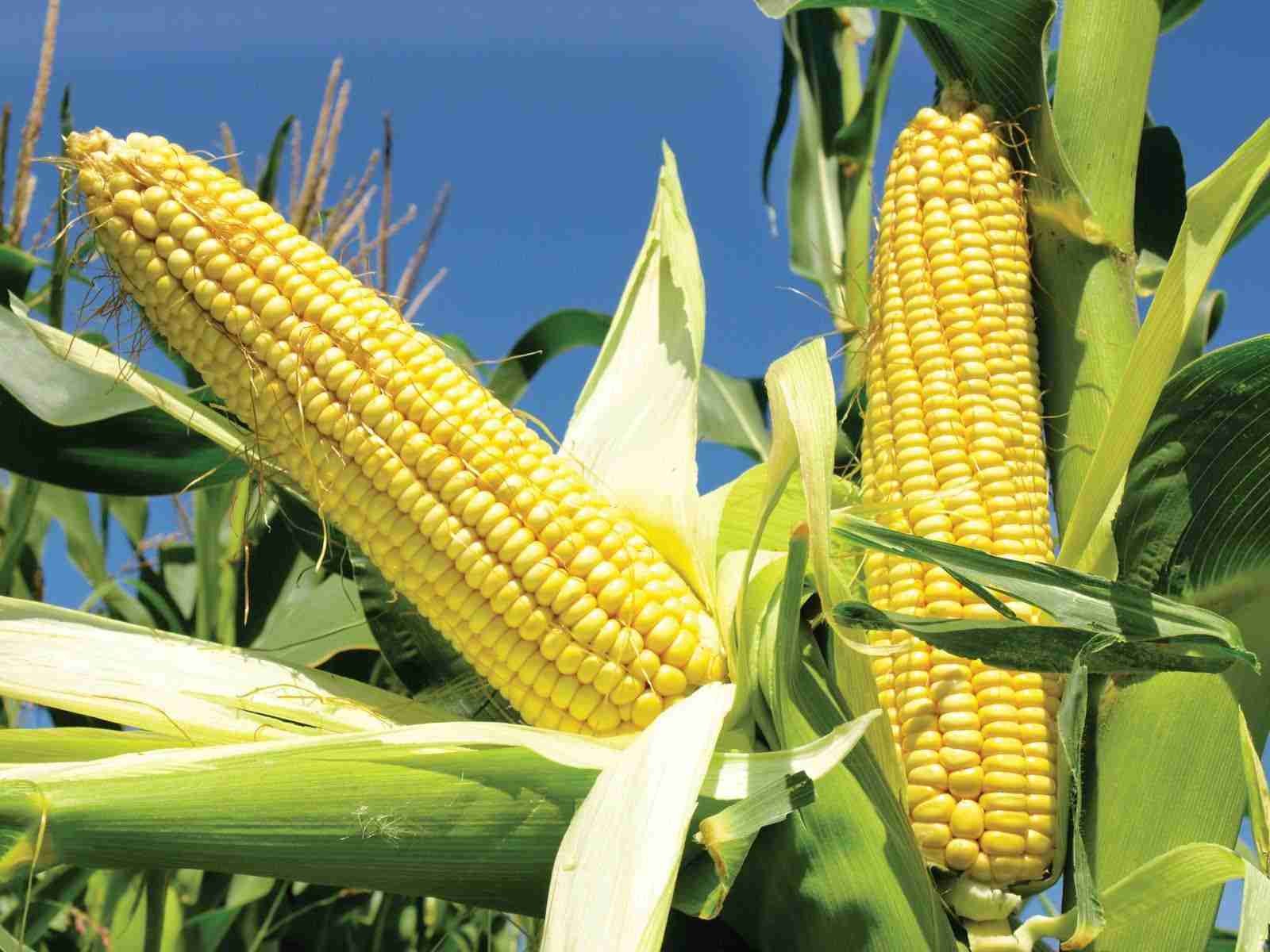
The Journey of Corn: Understanding the Disruption of Traditional Farming Methods
As the golden waves of corn sway gently in the breeze, they carry with them a narrative rich in tradition and evolution. The transition from age-old farming techniques to modern practices reflects a broader transformation within agricultural landscapes. In the past, farmers relied heavily on local knowledge, working in harmony with the seasons and the land. Traditional methods, such as crop rotation and manual cultivation, fostered a deep connection to the earth, ensuring that each season’s harvest was a community celebration. However, mounting pressures from a growing population and changing climates began to necessitate a shift in strategies that involved embracing innovation. Today, precision agriculture, biotechnology, and sustainable practices are redefining how corn is cultivated, aiming to enhance yield without sacrificing quality.
With the advancements of technology, the modern corn journey has become an intricate dance between nature and innovation. The introduction of smart farming techniques has encouraged farmers to utilize data analytics, which allows them to make informed decisions on planting and harvesting. Additionally, the shift toward integrated pest management minimizes chemical usage, preserving both the environment and crop integrity. A noteworthy evolution can be observed in genetic modification, which enables the development of corn varieties that are more resilient to pests and diseases. The following table illustrates some key differences between traditional and modern farming methods:
| Aspect | Traditional Farming | Modern Farming |
|---|---|---|
| Methodology | Manual, labor-intensive | Technology-driven, data-focused |
| Crop Variety | Locally adapted strains | Genetically modified crops |
| Environmental Impact | High usage of chemicals | Sustainable practices, reduced chemical runoff |

Innovative Techniques in Corn Processing: Bridging Sustainability and Efficiency
Corn processing has evolved dramatically with the integration of innovative techniques that prioritize both sustainability and efficiency. One of the most promising developments is the use of biotechnology, which enhances crop yields while reducing the need for chemical inputs. This approach leads to less environmental impact and fosters a healthier ecosystem. Moreover, precision agriculture has come to the forefront, utilizing data analytics and IoT technologies to optimize every stage of the corn supply chain. By monitoring soil conditions and crop health in real-time, farmers can make informed decisions that not only increase productivity but also promote the sustainable use of resources.
Another transformative method is the shift towards closed-loop systems in corn processing. This technique ensures that waste products are minimized and repurposed within the production cycle, significantly reducing the carbon footprint. Techniques such as dry milling and wet milling are being refined to extract maximum value from every kernel, resulting in a variety of by-products that contribute to a circular economy. Notably, the use of renewable energy sources in processing plants further enhances this model, making it increasingly eco-friendly. The table below outlines some of the key technologies revolutionizing corn processing:
| Technology | Benefits | Impact on Sustainability |
|---|---|---|
| Biotechnology | Increased crop yields, reduced pesticide usage | Less chemical runoff to waterways |
| Precision Agriculture | Optimized resource allocation | Lowered water and fertilizer consumption |
| Closed-loop systems | Minimized waste, enhanced by-product utilization | Reduced landfill impact |
| Renewable Energy Adoption | Lower operational costs, energy independence | Decreased reliance on fossil fuels |

Nutritional Value and Versatility: Exploring the Culinary Potential of Corn Products
Corn is a nutritional powerhouse, rich in essential vitamins, minerals, and dietary fiber. Its impressive composition includes B vitamins, such as thiamin and niacin, which are crucial for maintaining energy levels and supporting metabolism. Additionally, corn contributes valuable micronutrients like magnesium, phosphorus, and potassium, promoting overall health. The high fiber content in corn aids digestion and helps regulate blood sugar levels, making it a great option for those seeking to improve their dietary habits. Furthermore, its natural sweetness offers an appealing taste profile that enhances a variety of dishes.
The versatility of corn products is a culinary treasure trove waiting to be explored. From cornmeal used in baking to corn syrup for sweetening, its applications are expansive. Corn can be transformed into a range of textures and flavors, enabling chefs to create diverse dishes. Here are some captivating uses of corn in the culinary world:
- Polenta: A creamy, comforting staple, perfect for side dishes.
- Corn tortillas: The base for tacos and enchiladas, gluten-free and flavorful.
- Popcorn: A popular snack, easily flavored and enjoyed worldwide.
- Hominy: Used in traditional dishes like pozole, offers a unique texture.
In addition to its culinary adaptability, corn can be processed into various forms, each unlocking new potential. A simple comparison of common corn products demonstrates their unique profiles:
| Product | Texture | Usage |
|---|---|---|
| Corn Starch | Fine and Powdery | Thickening agent for sauces and soups |
| Corn Flour | Soft and Fine | Baking and bread-making |
| Corn Syrup | Viscous and Sweet | Sweetener in candies and desserts |
| Corn Oil | Liquid | Cooking and frying oil |

Future Trends in the Corn Industry: Embracing Technology for Enhanced Production
The corn industry stands on the brink of a technological revolution, where innovation meets tradition to foster sustainable agricultural practices. Precision agriculture is becoming a cornerstone, using data analytics and satellite imagery to provide farmers with in-depth insights into crop health, soil conditions, and environmental factors. Technologies such as drones and IoT sensors are enabling real-time monitoring, which helps in optimizing resource allocation and minimizing waste. With the advent of artificial intelligence, predictive analytics can forecast yield outcomes, allowing farmers to make informed decisions regarding planting and harvesting schedules.
Additionally, advancements in biotechnology and genetic engineering are paving the way for crops that are not only more resilient to pests and climatic variations but also nutritionally enhanced. Farmers are increasingly adopting smart irrigation systems and automated machinery that streamline labor-intensive processes, ultimately driving efficiency. Below are key developments driving the corn industry towards a tech-savvy future:
| Technology | Benefit |
|---|---|
| Drones | Wide-area surveillance and crop health assessment |
| IoT Sensors | Real-time data collection for irrigation and soil analysis |
| AI Predictive Analytics | Yield forecasting and optimized planting strategies |
| Biotech Seeds | Enhanced resilience and nutritional value |
| Automated Machinery | Increased efficiency in planting and harvesting |
Concluding Remarks
As we conclude our exploration of the intricate journey from field to future in corn processing, it becomes clear that this humble grain is more than just a staple in our diets; it’s a canvas for innovation and sustainability. The artistry involved in transforming corn—from the vibrant fields that nurture it to the advanced technologies that refine it—reveals a profound connection between agriculture and industry. As we stand on the brink of new advancements, it is essential to embrace the lessons of the past while looking forward to a future where corn processing continues to evolve, adapt, and inspire. In understanding the art behind this process, we not only celebrate the ingenuity of those in the field but also recognize our collective responsibility to support practices that honor both the earth and our culinary heritage. The journey of corn is far from over; it is a story still being written, promising to feed not only our bodies but also our imaginations as we cultivate a sustainable future together.




