
In a world increasingly attuned to the origins of what we eat, the journey of corn from field to fork is a fascinating narrative that weaves together agriculture, science, and culinary tradition. This versatile crop, once revered by ancient civilizations, has evolved through the centuries into a staple ingredient in countless diets around the globe. But what happens to corn after it’s harvested? This article delves into the intricate processes of corn processing, illuminating the path this humble grain takes as it transforms from sun-soaked fields to flourishing kitchens. Join us as we uncover the stages, technologies, and artistry involved in bringing corn to our tables, highlighting the connections between farming practices, food innovation, and the flavors we savor. Whether you’re a foodie eager to deepen your understanding or simply curious about the food supply chain, the journey of corn reveals much about our relationship with this beloved crop.
Understanding the Lifecycle of Corn: From Harvest to Processing
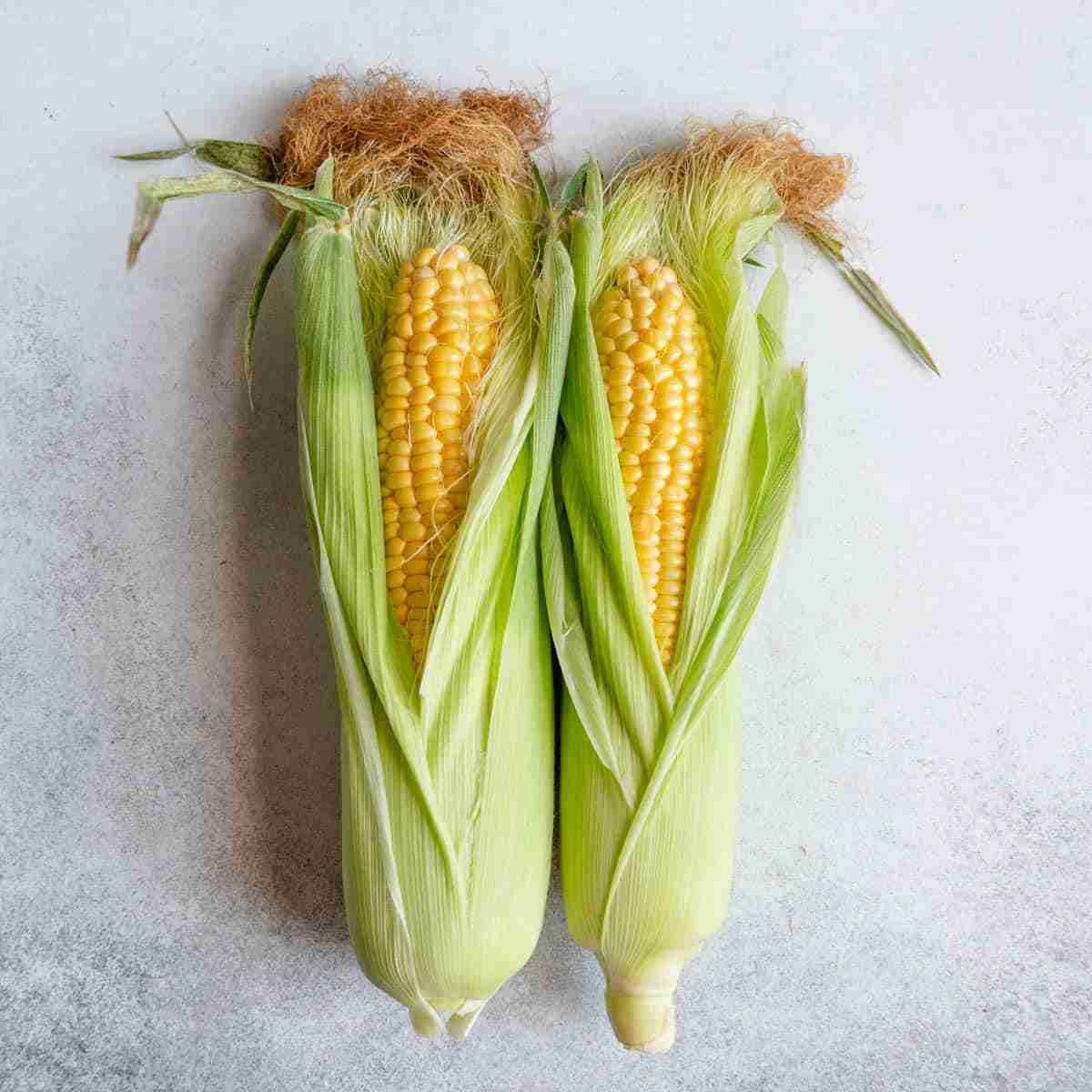
Corn processing begins with the careful harvesting of mature corn from the fields, typically during late summer or early autumn. The vibrant green fields transform into golden waves as the kernels ripen and are ready for collection. Once harvested, the corn undergoes several critical steps to prepare it for various uses. First, the kernels are dried to reduce moisture content, preventing spoilage and ensuring longevity. Following this, the corn is
After cleaning, the corn enters the processing phase, where it can take on multiple forms depending on the intended outcome. It may be ground into cornmeal, made into corn syrup, or processed into ethanol for energy production. Each transformation involves distinct techniques and equipment that optimize the use of every kernel. The following table outlines some of the primary products derived from corn during processing:
| Product | Primary Use |
|---|---|
| Cornmeal | Baking and Cooking |
| Corn Syrup | Sweetener in Foods |
| Corn Oil | Culinary Uses and Frying |
| Ethanol | Biofuel Production |
Exploring the Various Methods of Corn Processing
Corn processing is a multifaceted journey that transforms this versatile crop into a plethora of products, each serving unique culinary and industrial purposes. Dry milling is one of the traditional methods, where whole kernel corn is ground into various sizes, yielding grits, flour, and meal that are staples in many households. This method helps retain the natural flavors and nutrients while producing delicious offerings such as cornbread, tortillas, and polenta. On the other hand, wet milling involves soaking the corn kernels in water and enzymes, allowing for the separation of its components. This process not only produces starches and sweeteners but also yields valuable byproducts like corn oil and protein that add incredible nutritional value to our diets.
In addition to these classic methods, innovative techniques have emerged, enhancing the efficiency and sustainability of corn processing. Extrusion, for instance, utilizes high heat and pressure to create expanded snacks and cereal products, revolutionizing how we enjoy corn in its many forms. Fermentation is another intriguing avenue, allowing corn to play a vital role in the production of biofuels and alcoholic beverages, showcasing its potential beyond just food. Here are some key processing methods along with their primary outputs:
| Processing Method | Main Products |
|---|---|
| Dry Milling | Flour, Grits, Meal |
| Wet Milling | Starch, Sweeteners, Oil |
| Extrusion | Snacks, Cereals |
| Fermentation | Biofuels, Alcohol |
Nutritional Value and Culinary Versatility of Processed Corn
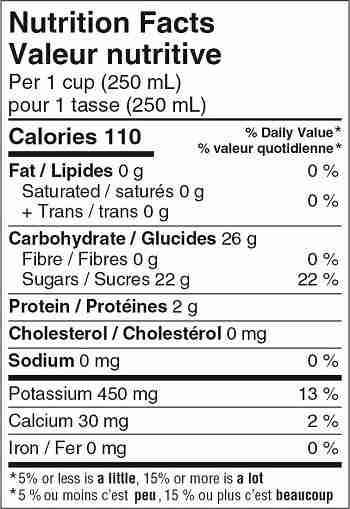
Processed corn offers a rich tapestry of nutritional benefits that make it a staple in many diets around the world. This versatile crop is packed with essential vitamins and minerals, including vitamin B6, magnesium, and fiber, which all contribute to overall health. Additionally, corn is a notable source of antioxidants, particularly lutein and zeaxanthin, which support eye health. When it comes to macronutrients, it provides a balanced mix of carbohydrates that fuel energy, making it an ideal choice for active lifestyles. Here’s a brief overview of the nutritional contributions:
| Nutrient | Amount per 100g |
|---|---|
| Calories | 96 |
| Carbohydrates | 21g |
| Protein | 3g |
| Fiber | 2.4g |
The culinary flexibility of processed corn is without comparison. From cornstarch to corn syrup, popcorn to tortillas, its applications are diverse and engaging to the palate. Cooks across different cultures have harnessed the power of corn to create a variety of dishes, enabling them to modify textures and flavors easily. Key uses of processed corn include:
- Thickening agents: Used in sauces and soups.
- Flavor base: Corn provides a sweet, natural flavor in many baked goods.
- Snacks: Popcorn, corn chips, and other crunchy treats.
- Baking: Cornmeal is a favorite for cornbreads and muffins.

Sustainable Practices in Corn Production and Processing
Embracing the need for eco-conscious farming, the journey of corn from cultivation to consumption showcases several innovative sustainable practices. By implementing crop rotation techniques, farmers enhance soil health and reduce the reliance on chemical fertilizers. This method not only promotes biodiversity but also mitigates the risk of pest infestation. Additionally, farmers are leaning towards precision agriculture, utilizing technology to monitor crop needs, thereby minimizing water usage and increasing yield efficiency. Sustainable practices in corn production also include:
- Integrated Pest Management (IPM): Utilizing natural predators and pest-spotting drones to keep pest populations at bay.
- Conservation Tillage: Reducing soil disturbance through minimal tillage, which helps retain moisture and reduce erosion.
- Cover Cropping: Planting cover crops that protect the soil and enhance its nutrients, especially during off-seasons.
As corn moves from the field to processing, sustainability takes center stage with methods that prioritize eco-efficiency. Energy-intensive processes are being replaced with renewable energy sources, such as biogas from corn byproducts. Water treatment systems are also becoming commonplace, recycling gray water and reducing waste. To illustrate the impact of these practices on the environment, the following table highlights some sustainable processing methods and their benefits:
| Sustainable Practice | Benefit |
|---|---|
| Biomass Energy Utilization | Reduces carbon footprint and creates renewable energy. |
| Efficient Water Usage | Minimizes water waste and decreases overall environmental impact. |
| Waste Recycling | Converts waste into useful products, ensuring a circular economy. |
Insights and Conclusions
As we conclude our exploration of the fascinating journey of corn from field to fork, it’s clear that this humble grain embodies much more than meets the eye. From the golden fields where it is cultivated to the bustling processing plants that transform it into a myriad of products, corn plays a pivotal role in our food system. Each step of its journey is a testament to innovation, sustainability, and the intricate systems that connect farmers, manufacturers, and consumers.
As we savor our meals enriched by corn, let’s take a moment to appreciate the intricate web of effort and expertise that brings it to our tables. The next time you take a bite of cornbread, enjoy a bowl of popcorn, or savor a sweet corn salad, remember the remarkable journey that made it all possible. In understanding the path of corn, we not only gain insight into agricultural practices and food processing but also foster a deeper appreciation for the connectedness of our culinary experiences. After all, every meal is a celebration of nature’s bounty and human ingenuity, inviting us to recognize, respect, and relish the journey from field to fork.




